Staff at the Sines LNG Terminal Set a Three-Day Stoppage Over Shifts, in a Grievance Dating Back to 2012
Workers at REN Atlantico's Sines terminal, Portugal's only LNG import point, strike from 23 to 25 August. Their unions say most staff face nearly 47 years on rotating shifts before they can retire, and want an earlier exit.
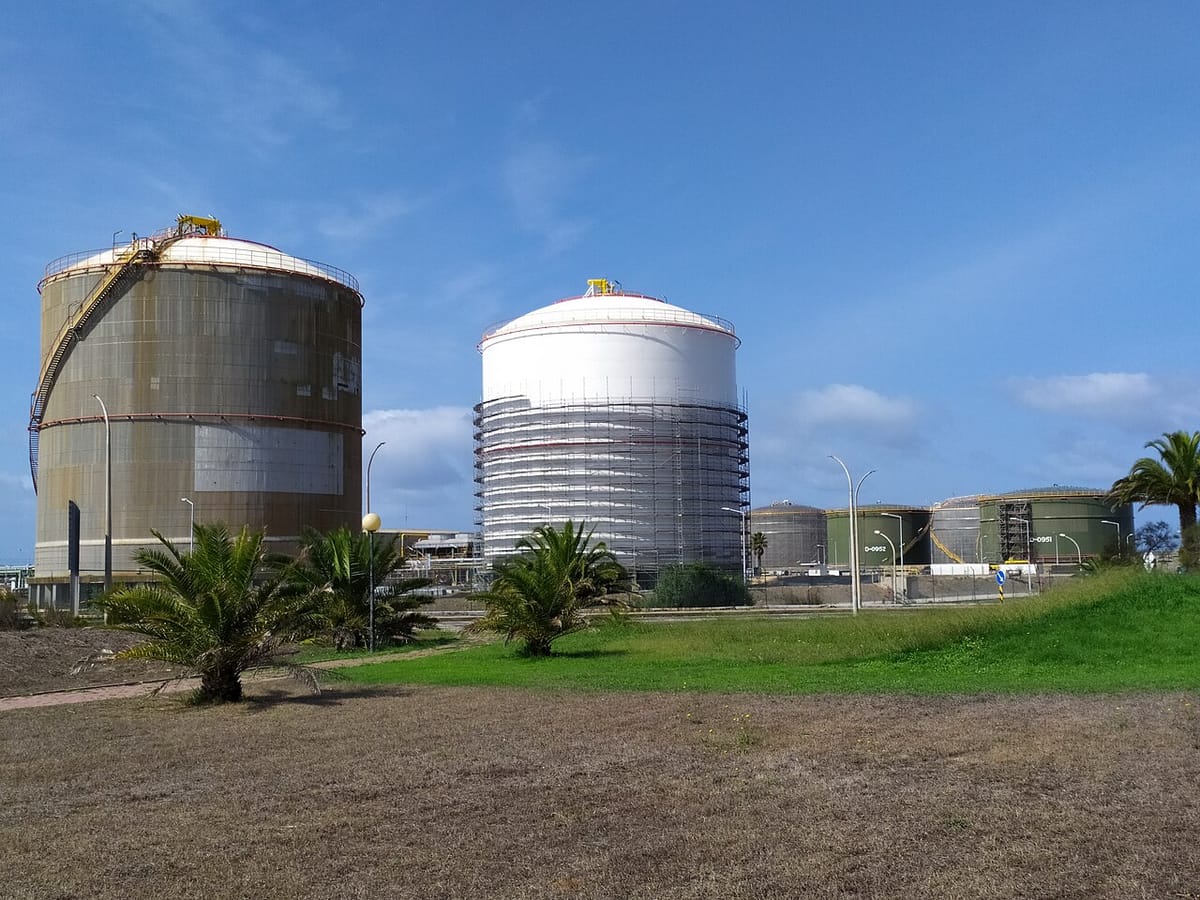
Workers at the REN Atlântico liquefied natural gas terminal in Sines will stop work for three days, from 23 to 25 August, in a dispute their unions say has been running since 2012. The strike was called by SITE Sul and Fiequimetal, and it targets Portugal's only LNG import terminal.
The demands are narrow and old. The unions want a route to early retirement that recognises the toll of continuous shift work, and they want equal pay for workers doing identical jobs. Neither is a wage claim in the usual sense; both are about how a career at the terminal ends.
Twenty years down, twenty-six to go
The arithmetic the unions put forward is what gives the dispute its edge. Most of the terminal's staff have already spent about 20 years working shifts. Under the current rules, they calculate, those workers would have to stay on shifts for a further 26 years and nine months before they could retire, which adds up to nearly 47 years of nights, weekends and rotating rosters.
Shift work of that duration is not an abstract complaint. It is associated with sleep disruption, cardiovascular strain and shortened healthy life expectancy, which is why several European industrial sectors have negotiated earlier exits for the people who do it. The Sines workers argue they have been left out of that settlement while doing a job the country cannot switch off.
The leverage, and its limits
That last point is the unions' main lever. They describe the terminal as being of strategic importance to Portugal's security of energy supply, and argue that a company with REN's finances can afford to settle. REN's management had not commented publicly when the strike was announced on 19 August.
Three days is a short stoppage, and a regasification terminal is not a factory: gas already in storage keeps moving, and Portugal's system operators plan for interruptions. The disruption is more likely to show up in vessel scheduling than in anyone's boiler. But the timing is pointed. The terminal is the country's principal hedge against pipeline dependence, and its role has grown steadily since Europe rebuilt its gas map after 2022.
A company in the political spotlight
The strike also lands while REN itself is unusually visible. The State has just returned to the company's capital, buying back a stake it sold years ago and pricing the transaction at a premium that has drawn criticism. A government that has just spent public money to sit at the table is a government with an interest in what happens at the table's other end.
Portugal's gas debate has been busy on several fronts this summer, from a distributor warning that capped investment would raise bills to a €66 million scheme paying households to swap gas hobs for induction. The Sines dispute is a reminder that the infrastructure underpinning all of it is run by a comparatively small workforce, and that this one has not had a satisfactory answer in fourteen years. On where that gas actually enters the country, ERSE's 2025 report on the gas sector, which counts 46 tanker discharges at Sines, half of them from Nigeria and 7 percent from Russia, against 5 percent of national supply arriving by pipeline from Spain sets the latest reference.