Eight Remote Parishes Now Hand Out Cash Through a Council-Run Multibanco Terminal, and Withdrawals Make Up 73 Percent of Use
SIBS says its Multibanco + Perto pilot runs in eight interior parishes, four of them in Mértola, and still aims for 30 by December. The 2022 Bank of Portugal report behind it found 1,276 parishes with no banking services nearby.
Eight parishes in Portugal's interior that had no bank branch or cash machine nearby now have Multibanco services at the local parish council. SIBS, the company that runs the Multibanco network, told Lusa on Tuesday how far its "Multibanco + Perto" pilot has spread. It still aims to reach 30 parishes by the end of the year.
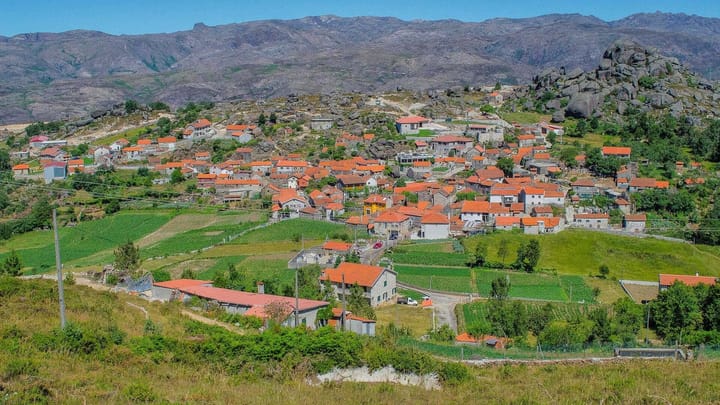
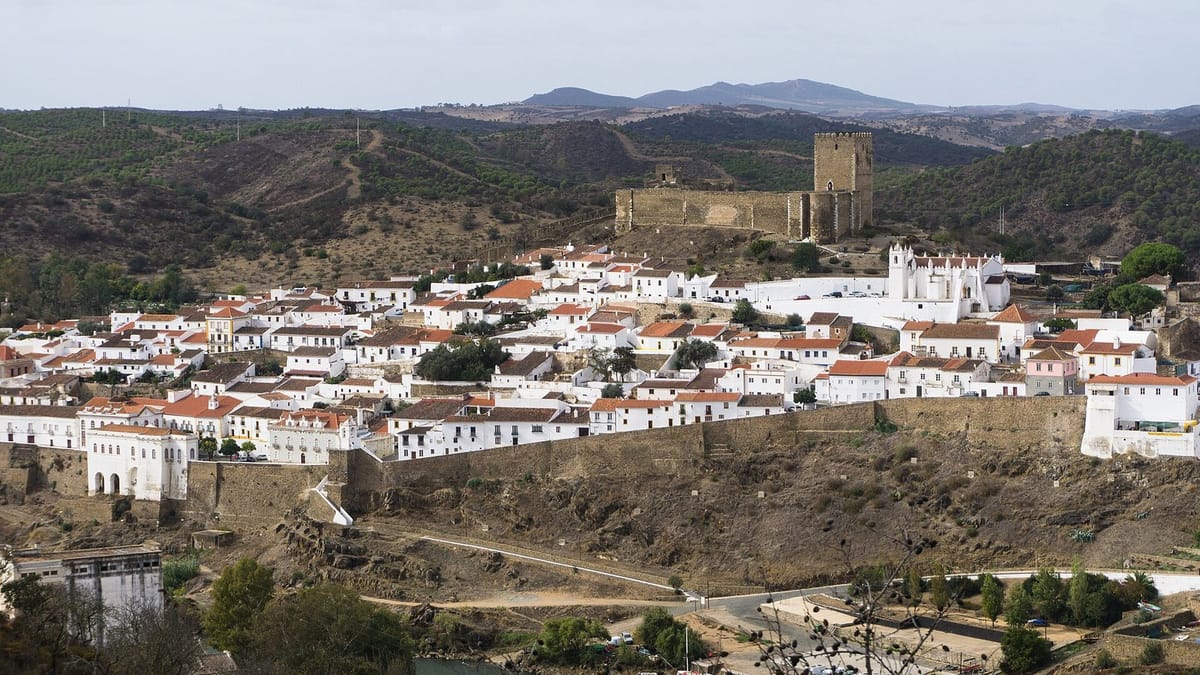
The service is running in Tó (Mogadouro), Outeiro (Montalegre), Coriscada (Mêda), the União de Freguesias de Felgueiras e Maçores (Torre de Moncorvo) and four parishes in Mértola: Corte do Pinto, Espírito Santo, Santana de Cambas and the União de Freguesias de São Miguel do Pinheiro, São Pedro de Solis e São Sebastião dos Carros. SIBS said several more installations in the Castelo Branco district were in their final stages.
Mostly a cash service
Cash is what people come for. SIBS figures show withdrawals make up 73 percent of transactions in the parishes where the service runs. Paying bills accounts for 14 percent, and checking balances and statements for 11 percent.
The service does not use full cash machines. It uses SmartPOS digital payment terminals, which, according to the government, handle about 90 percent of the operations available at a Multibanco machine. These include cash withdrawals, paying electricity and water bills, payments to the State, topping up mobile phones and transport tickets, and checking balances and statements. Because the terminals are portable, the government says they can also be taken to people who cannot easily get out.
The juntas de freguesia (parish councils) run the terminals and must keep enough cash on hand to cover withdrawals.
Why the interior
The pilot was launched in July by the Ministry of the Economy and Territorial Cohesion with the Banco de Portugal (Bank of Portugal), SIBS and the Associação Nacional de Freguesias (ANAFRE, National Association of Parishes). In its question-and-answer note on the launch, the government cited a 2022 Bank of Portugal assessment of the country's cash machine and branch network. That report found 1,276 parishes, 41 percent of the total, with no banking services within 5, 10 or 15 kilometres, affecting about 740,000 people, roughly 7 percent of the population.
The project started in the Bragança district because it was the worst affected: only 25 of its 236 parishes had banking and payment services close by, according to the government. The note adds that some parishes may eventually get a full cash machine instead, once the pilot has been evaluated.
Manuel Castro Almeida, the economy and territorial cohesion minister, told a parliamentary committee on 22 September that the pilot was "going extremely well" and that people were using it "with great intensity".
What it means for residents
For residents of the participating parishes, it means no longer driving to the nearest town for cash. The pilot is still small, however. Eight parishes is a fraction of the 1,276 without nearby services, and the 30-parish target is only the first phase, meant to test whether the model can be extended to other parishes that want to join.
Because parishes opt in, residents who want the service locally should raise it with their junta de freguesia. For how Multibanco cards, MB Way and the cash machine network work more generally, see our guide to MB Way and Multibanco in Portugal.