SIBS Pilots a Multibanco Social Network Across Roughly Twenty Juntas de Freguesia in the Cash-Desert Interior — 1,200+ Cashless Parishes and a Seventeen-Kilometre Worst-Case Walk Frame the H1 2026 Rollout With Álvaro Santos Pereira
SIBS is preparing a Multibanco Social pilot that installs cash machines inside roughly twenty juntas de freguesia in the cash-desert interior — the regions where 1,200+ parishes hold no physical cash-out point and where the worst-case walk stretches to seventeen kilometres.
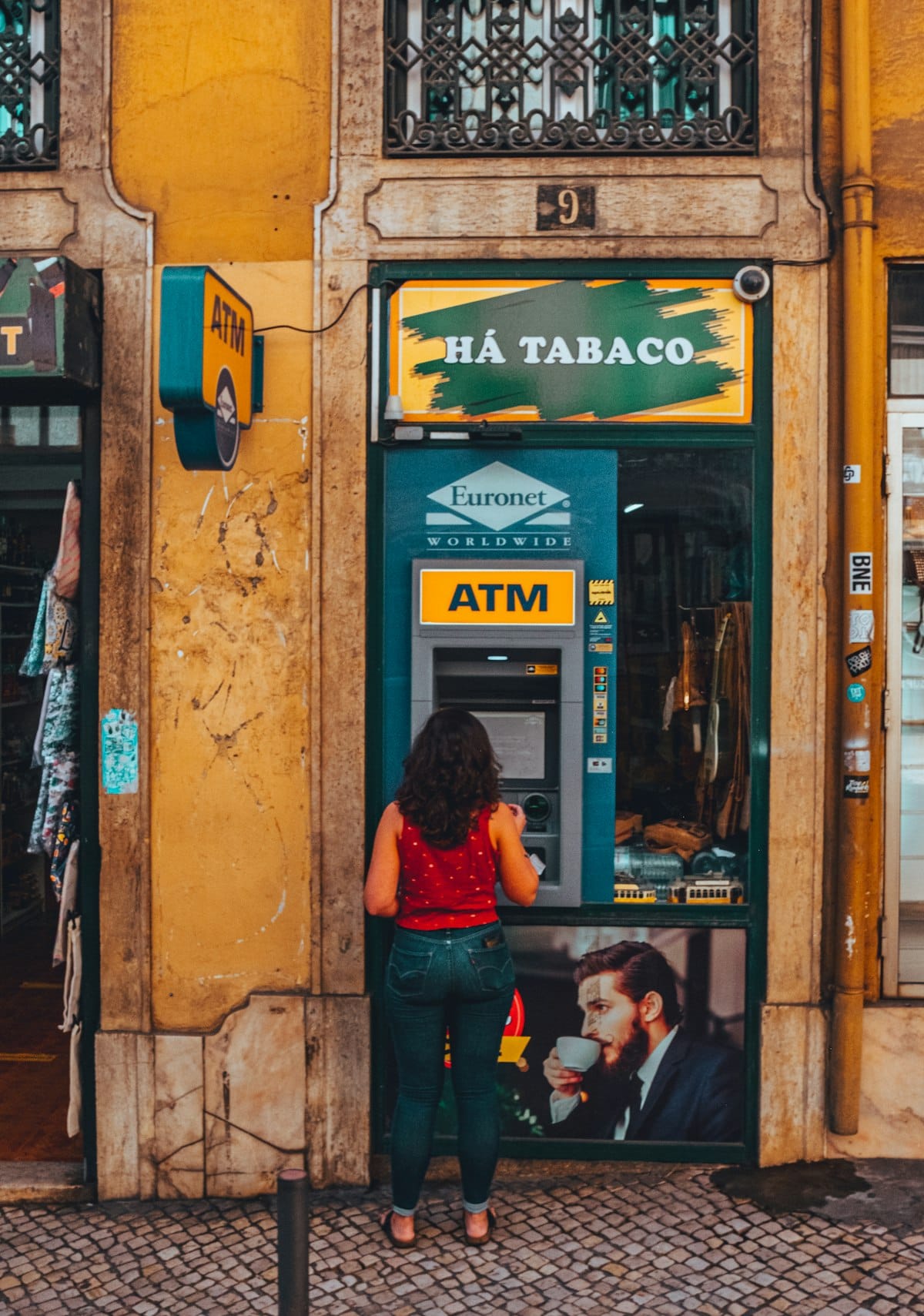
SIBS — the Portuguese inter-bank operator that runs the Multibanco rails and the MB Way wallet on top of them — is preparing a Multibanco Social pilot that drops cash machines inside roughly twenty juntas de freguesia in the cash-desert interior, the parishes where there is no physical cash-out point inside walking distance today. The plan is aligned with Banco de Portugal governor Álvaro Santos Pereira and sits as a complement to — not a substitute for — the National Payment-Resilience Plan the supervisor opened with energy, telecoms and retail counterparts in the wake of the 28 April 2025 Iberian apagão. A detailed presentation is pencilled in before the end of the first semester of 2026.
The cash-desert math
The gap the pilot is trying to close is measurable. By the SIBS reading shared with the supervisor:
- More than 1,200 freguesias — roughly 41% of the national parish count — have no physical cash-out point inside their territory.
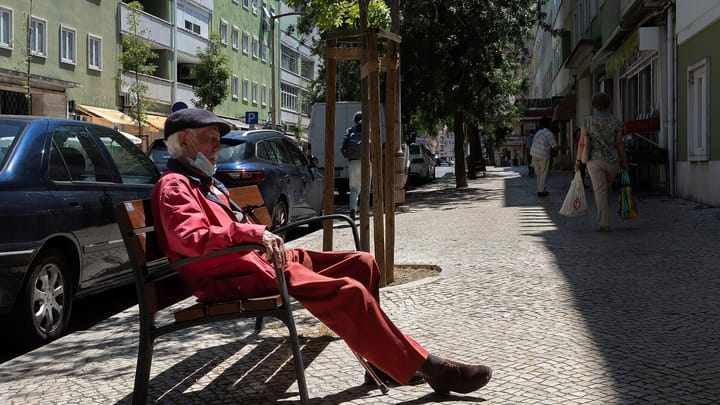
- The worst-case walk to a working ATM for residents in the most isolated parishes stretches to seventeen kilometres, a number that puts cash access well outside the reach of older residents and anyone without a car.
- The pilot targets roughly twenty parishes in the first phase, with the selection skewed toward the interior districts where the cash-access gap is widest — the Alto Alentejo, the Beira Baixa, and the Trás-os-Montes parishes that have been losing their last bank branches across the past decade.
Where the machine sits and what it does
The architecture places the cash machine inside the junta de freguesia building, the parish-level municipal counter that already serves as the entry point for citizen services in many of the targeted territories. The minimum service is cash withdrawal; the design space leaves open an upgrade to card payments and inter-account transfers if the pilot finds steady-state demand. SIBS has not yet published the operator-by-operator commercial structure — which bank funds the cash float, who maintains the machine, and how the inter-change is split between the parish and the network — but the broad framing is a public-interest partnership rather than a commercial branch reopening.
What sits alongside it on the cash-access track
The Multibanco Social pilot is one of three parallel mechanisms now in play to keep cash within walking distance of the rural population. The other two:
- Cash-in-shop withdrawals at supermarkets: enabled by the recently transposed EU Payment Services Directive, which allows merchants to dispense cash to a customer at the till alongside a card purchase — turning the local minimercado into a de-facto cash-out point.
- Mobile-branch routes by the larger retail banks: CGD, Millennium BCP and BPI all run circulating vans that visit isolated parishes on fixed weekly schedules, an approach that has compressed but not closed the access gap.
Governor Santos Pereira framed the choice in March 2026 as a question of optionality rather than substitution — "O que queremos é que as pessoas tenham escolha". That framing matters for the cash-vs-digital debate because Portugal is one of the European markets where mobile-wallet penetration has eclipsed cash for most under-€50 transactions, but where the rural population still depends on physical notes for a meaningful share of monthly spending. The Multibanco Social rollout is the BdP-and-SIBS bet that the cash rail is worth preserving inside a payment ecosystem that is otherwise digitising fast.
Why It Matters
The 28 April 2025 apagão made the cost of a thin cash backup visible: when the card rails went down, the country's ATM network ran a -34% volume day and average withdrawal amounts climbed to €90 as customers concentrated demand on the few machines still on battery or generator. The Multibanco Social pilot is the supply-side answer to that lesson, building a denser physical-cash layer in the parishes that were already underserved before the blackout. It sits inside the broader BdP and SIBS resilience programme — see our coverage of the BdP's National Payment-Resilience Plan and the MB Way / Multibanco practical guide — but it is the only piece of that programme that physically moves cash closer to the user.
What This Means for Expats
- Property buyers in the interior: the cash-access gap is one of the underwriting frictions for second-home and full-relocation moves into the Alentejo and Trás-os-Montes; the Multibanco Social pilot caps that friction at the parish level and is worth tracking before committing to a specific freguesia.
- Retirees on the D7 / National Health card track: rural pharmacies, small private-medicine consultations and parish-level transport all retain a cash preference; a working ATM inside the junta meaningfully changes the practical cost of a rural retirement.
- Digital nomads: the pilot does not change Lisbon-Porto-Algarve cash access — those areas are already saturated with the existing 11,000-machine Multibanco network — but it does open up interior co-living and digital-nomad-village sites that have been ruled out by the cash-access constraint.
- Small-business owners: the cash-in-shop directive opens a parallel revenue line for any merchant operating in a parish without an ATM; the operational design is a payment-terminal upgrade and a daily cash-float decision rather than a full branch agreement.
- Timeline to watch: SIBS aims for a detailed presentation before the end of June 2026; the first parish-level installations should follow over the autumn, with the audit data feeding into the wider National Payment-Resilience Plan rollout in 2027.
Sources: SIBS / Banco de Portugal commentary on the Multibanco Social pilot reported by ECO on 21 May 2026; Governor Álvaro Santos Pereira public remarks, March 2026; BdP Relatório dos Sistemas de Pagamentos 2025 framing context. On the cash, payments and financial-access side of the file, our read on Portugal co-founding Denaria Europa to defend the right to pay in cash sets the latest reference. On the euro, the ECB and the currency-design side of the file, the public vote on the next euro banknote designs sets the latest reference.