Portugal's €66 Million E-Lar Scheme Swaps Gas Hobs for Induction — but Two-Thirds of the Cash Went to the Middle Class
The E-Lar programme has handed out €66 million and 52,940 vouchers worth up to €738 each to move Portuguese kitchens off gas. But €42.2 million went to middle-class households against €23.7 million for vulnerable families — exposing the tension between fighting energy poverty and decarbonising the w
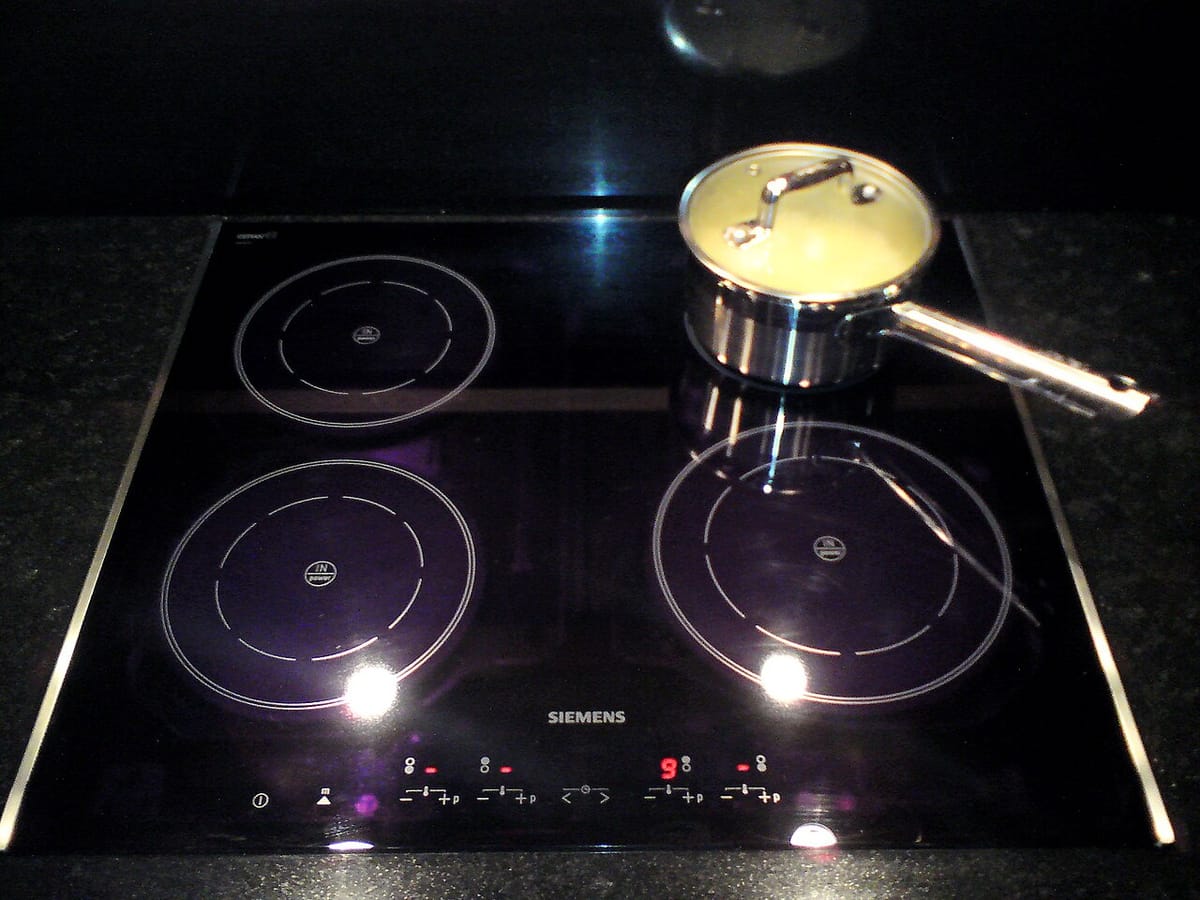
The government's E-Lar programme has now handed out €66 million to help households swap gas hobs and bottled-gas cookers for electric appliances, the first full tally of a scheme designed to nudge Portuguese kitchens off fossil fuels. Some 52,940 vouchers have been issued, each worth up to €738, covering induction and electric cooktops and more efficient gas cylinders.
The headline number is a decent one for a young subsidy. The detail underneath it is more awkward. Of the €66 million disbursed, €23.7 million went to vulnerable families on the tarifa social de energia (social energy tariff), while €42.2 million — nearly two-thirds of the total — flowed to middle-class households. A programme frequently framed as a weapon against energy poverty has, in its first pass, sent most of its money to people who were never energy-poor.
Two goals in one voucher
That split is not necessarily a failure so much as a tension baked into the design. E-Lar is trying to do two things at once. One is social: to shield the households least able to absorb winter energy bills, where damp, cold homes and expensive bottled gas are a genuine hardship. The other is climate policy: to shrink the number of gas-burning kitchens across the whole country, which only works if middle-income households — the bulk of the market — also make the switch.
Serve only the vulnerable and the decarbonisation barely moves; open the scheme to everyone and the better-off, who are quicker to hear about grants and quicker to fill in the forms, tend to capture the larger share. E-Lar's numbers are what that trade-off looks like in practice.
The take-up question
There is also a reach problem lurking in the figures. Roughly 52,940 vouchers is a modest dent in a country of some four million households, many still cooking on bottled gas. The families the social component is meant to help are frequently the hardest to enrol — less likely to be online, less likely to know the programme exists, and less able to front the difference between the voucher and the full cost of a new appliance and, sometimes, new wiring.
Induction cooking is cleaner and, run off an increasingly renewable grid, lower-carbon than gas. But a €738 voucher goes furthest for a household that can comfortably pay the balance — which is part of why the middle-class column is the fatter one.
If the government wants the next €66 million to land differently, the lever is not the headline budget but the plumbing: how vulnerable households are found, signed up and walked through the paperwork. On the evidence of the first round, E-Lar is decarbonising Portuguese kitchens faster than it is warming the poorest ones.