Portugal Sends Brussels a 1.6 Billion Euro Plan to Help 50,000 Low-Income Homes Face EU Carbon Pricing, With First Calls Not Before Late 2027
Portugal's Social Climate Plan targets 50,000 vulnerable households for insulation, heat pumps and solar, 10,000 microenterprises and about 700 electric buses. Nobody can apply yet: Brussels must approve it, and the first calls are expected in the second half of 2027.
Portugal formally submitted its Plano Social para o Clima (Social Climate Plan) to the European Commission on Friday, 9 October: about 1.6 billion euros to be spent by 2032 on cushioning low-income households and very small businesses from the carbon price that EU rules will add to heating and road fuels from 2028. According to the Ministério do Ambiente e Energia (Ministry of Environment and Energy) communiqué, the plan aims to reach about 50,000 vulnerable households with home energy-efficiency support and 5,000 vulnerable households with help to switch to electric mobility.
Nobody can apply yet. The ministry said formal negotiation with the Commission comes next, and that implementation, with the first calls for applications (avisos), is expected in the second half of 2027.
What the plan says it will pay for
The communiqué lists four headline targets:
- about 50,000 vulnerable households supported with home energy efficiency;
- 5,000 vulnerable households supported in electrifying their mobility;
- about 10,000 microenterprises in sectors most exposed to rising fuel costs, helped to electrify their vehicle fleets;
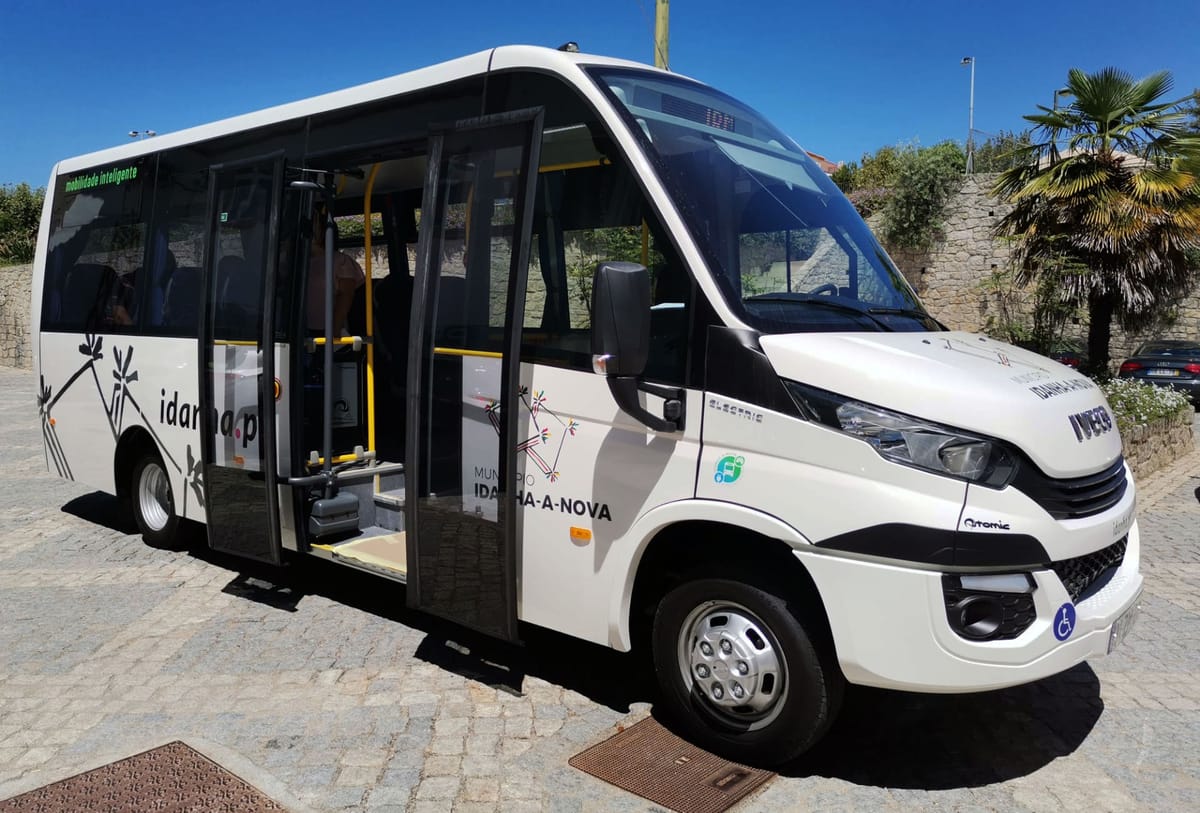
- about 700 electric buses to strengthen public transport in low-density areas and in the Azores and Madeira.
The Agência para o Clima (Climate Agency) will manage the plan, which aims to cut fossil fuel dependence and energy spending for the most vulnerable families and microenterprises. The Environment and Energy Minister, Maria da Graça Carvalho, called it central to the country's energy transition strategy.
The submitted text has not been published. The most detailed public version is the October 2025 consultation draft, put to public consultation on Participa from 7 October to 18 November 2025. Its figures show the scheme's shape, not what households will receive.
In that draft, the largest measure, "Famílias +Sustentáveis" (Families +Sustainable), would give vulnerable households, or the owners of homes they live in, non-repayable grants covering 80 to 100 percent of eligible costs for insulation, more efficient windows and doors, heat pumps, electric water heaters, solar thermal and solar panels, and swapping gas appliances for electric ones. A separate "eLar" measure would fully fund swapping gas appliances and water heaters for electric ones, designed so that families pay nothing upfront. A "Bairros +Sustentáveis" (Neighbourhoods +Sustainable) measure would fund whole-building renovations in social housing and urban regeneration areas through municipal companies, charities and residents' associations, and a network of 120 "Espaços Energia" (Energy Spaces) would offer local advice on bills, equipment and applications.
Some numbers have clearly changed since then. The draft aimed at 20,100 electric vehicles for microenterprises and 370 zero-emission buses; the ministry now speaks of about 10,000 microenterprises and about 700 electric buses. The ministry has not explained the changes.
Who counts as vulnerable
The draft defined vulnerable households as those receiving the social energy tariff, or with an income below 60 or 70 percent of the national median. The consultation report says that, after calls for a less restrictive definition, the income line was set at below 80 percent of median income, with social tariff recipients still given priority.
The same report says the Energy Spaces were restructured to add a "mediator" who advises and assists people on energy, housing poverty, health and consumer protection, naming migrants, older people and social housing residents among those to reach. Whether these changes survive in the submitted plan is not confirmed until the text is published. No rule in the draft limits support by nationality: the tests are income, the social tariff and, for some measures, the building.
Why the money exists: a carbon price on heating and fuel
The plan is Portugal's route into the EU's Social Climate Fund, created by Regulation (EU) 2023/955 alongside a second emissions trading system, ETS2 (CELE2 in Portuguese). According to the Commission's ETS2 page, fuel suppliers rather than households will have to buy allowances to cover the emissions from the fuel they sell for buildings and road transport, which is how the cost would reach gas bills and pump prices. ETS2 was due to start in 2027; the European Parliament confirmed in February 2026 that it was postponed by a year to 2028. Portugal's own rules for the scheme were set out in a decree-law published in September, as we reported at the time.
The Commission's Social Climate Fund page says the Fund runs from 2026 to 2032 and is meant to reach people before ETS2 takes effect; with 25 percent national co-financing it is expected to mobilise at least 86.7 billion euros across the EU. In Portugal's draft, 1.22 billion of the 1.63 billion euros would come from the Fund and about 407 million from the national budget.
What is not known yet
- The carbon cost itself. Neither the government nor the Commission has said how much ETS2 will add to a litre of fuel or a gas bill in Portugal. The Commission says extra allowances may be released if the price exceeds 45 euros a tonne (in 2020 prices) in the first two years.
- The final budget. The draft said that if ETS2 were postponed to 2028, the plan would shrink to 1.369 billion euros. ETS2 has been postponed, yet the ministry still cites about 1.6 billion; it has not said how the two fit together.
- The timetable. The Commission set a deadline of 30 June 2025 for national plans, and has already cleared plans for Greece and Malta. Portugal's arrives more than a year later, and money will not reach households before the first calls in the second half of 2027, at the earliest.
- Tenants. Consultation responses warned that renovation grants paid to landlords could favour owners over the vulnerable tenants living in the homes. The report records the concern; the submitted plan's answer is not public.
The draft estimated that between 1.8 and 3 million people in Portugal live in energy poverty. For now, the rules that will decide which of them get help remain in negotiation with Brussels.