Junior Doctors Will Choose From 2,338 Specialist Training Places This Year, With 15 Fewer in Family Medicine
The official vacancy map for the 2026 medical residency is out: 1,595 hospital places, 675 in family medicine, more in emergency medicine and fewer in paediatrics and surgery, with the choice made online for the first time.
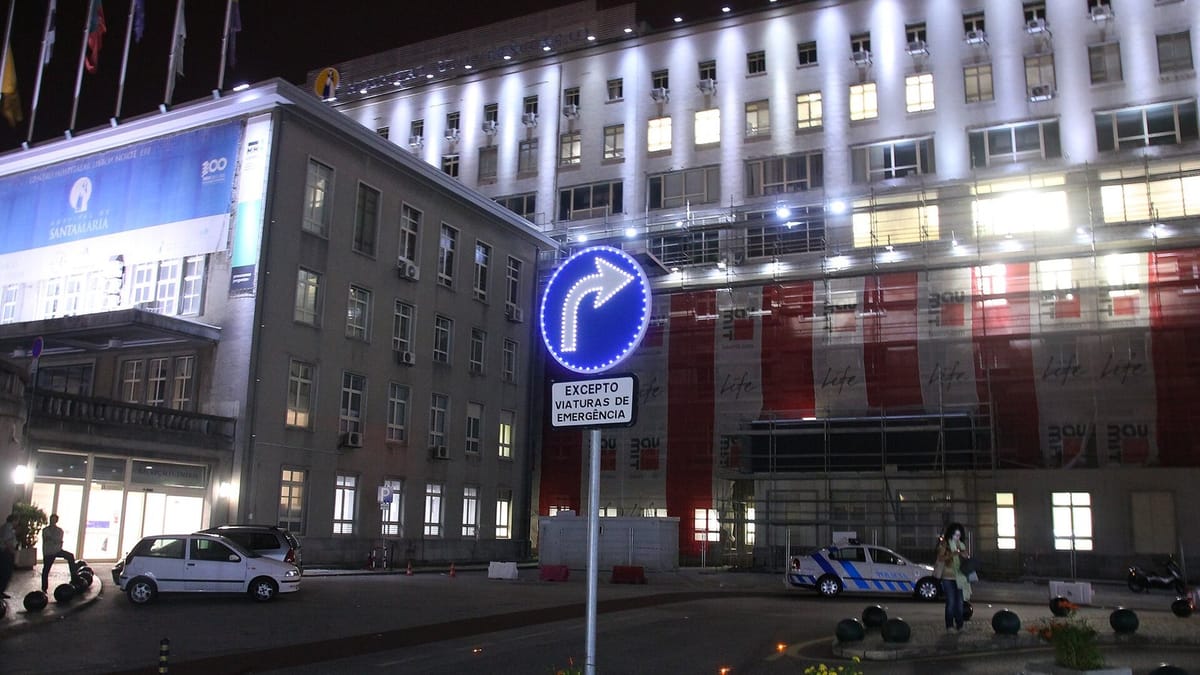
Junior doctors starting specialist training this year will choose from 2,338 places, according to the official vacancy map for the Internato Médico 2026 (medical residency). The Administração Central do Sistema de Saúde (ACSS, Central Administration of the Health System) published it in a supplement to the Diário da República (Official Gazette) on Tuesday.
The map was approved on 29 September by the Secretary of State for Health Management and sets out every place by specialty and training institution. Of the total, 1,595 places are in hospital specialties, 675 in Medicina Geral e Familiar (general practice, or family medicine), 59 in public health and nine in forensic medicine.
Where the places are
Internal medicine has the most hospital places, with 216, followed by paediatrics (110) and anaesthesiology (102). Next come psychiatry (82), general surgery (72), obstetrics and gynaecology (71), orthopaedics (70) and intensive care medicine (69). At the other end, paediatric cardiology and sports medicine have one place each, thoracic surgery two and cardiac surgery three.
Family medicine places are concentrated in the two big metropolitan regions. Lisboa e Vale do Tejo (Lisbon and the Tagus Valley) has 237, the North 226 and the Centre 121, against 41 in the Alentejo, 24 in the Algarve, 18 in the Azores and eight in Madeira.
Most training posts are in the health service's local health units (ULS) and the Portuguese Oncology Institutes. Private hospitals also appear on the map, among them CUF Descobertas, Hospital da Luz Lisboa and Hospital dos Lusíadas. A few places are tied to protocols: some are reserved for the armed forces under an agreement with the Defence Ministry, and others are protocol places for hospitals in Madeira and the Azores, with the training done at mainland hospitals.
What changed from 2025
Lusa reported that last year's map offered 2,330 places, eight fewer than this year's. The overall total is almost unchanged, but the mix has moved. Under the corrected 2025 map that ACSS published after the original appeared on 31 October 2025, family medicine had 690 places; this year it has 675. Emergency medicine rises from 31 to 42 places, while paediatrics falls from 114 to 110, general surgery from 77 to 72 and neurology from 41 to 37.
The map is also out more than three weeks earlier than last year's. In September ACSS said it would publish it in the first weeks of October.
Choosing online for the first time
This is the first year that candidates choose online. Until 2025 they attended in person and picked a place in real time. Now they submit a ranked list of preferences on the competition platform, in daily batches set by their position on the final ranking list. Each candidate can change the list until their batch closes, and the speed of submission makes no difference. ACSS said in September that the detailed calendar would be announced in due course.
Not everyone who qualifies takes a place. In a survey published in March, ACSS reported that 507 doctors who had finished their general training in 2025 chose not to enter a specialty. Of the 254 who replied, 63 percent ranked failing to get the specialty they wanted as their main reason, and 80.7 percent planned to resit the national access exam to improve their grade. ACSS found that hospital specialties, especially surgical ones, were more popular than family medicine and public health. It warned that this could make recruiting for the health service's priority areas harder.
The question of doctors without a specialty is also on the Health Ministry's agenda. Last week the minister offered locum doctors without a specialty a route onto the SNS staff.