Portuguese Factory-Gate Prices Rose 5.8% in July as Energy Kept Up the Pressure
Producer prices — what factories charge before goods reach the shelf — rose 5.8% in the year to July, INE said on 18 August, with energy again the main driver. A wholesale gauge that is creeping up rather than fading, and what it signals for the cost of living.
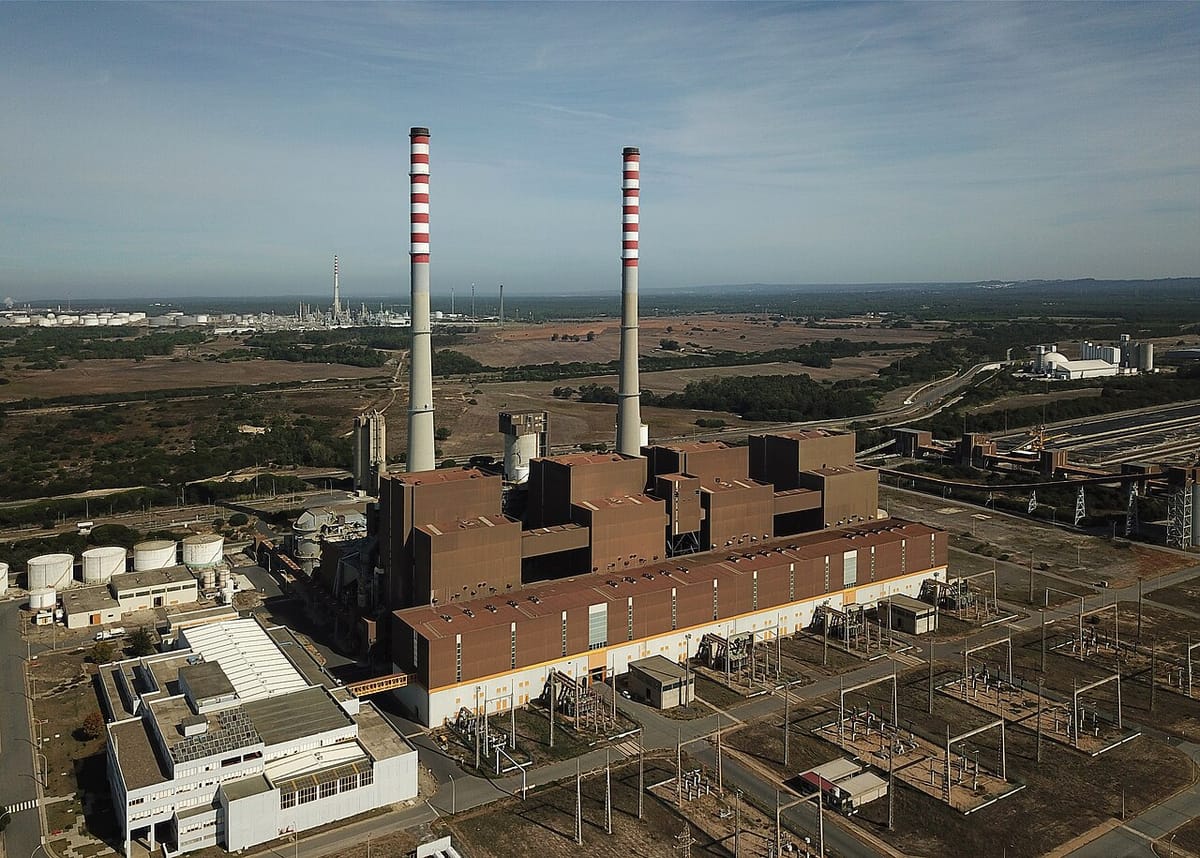
Portugal's factory-gate prices are still climbing, and energy is doing most of the pushing. The Índice de Preços na Produção Industrial — the prices producers charge when their goods leave the factory — rose 5.8% in the year to July 2026, according to figures published by the statistics office INE on 18 August. It is the firmest reading in months and a reminder that the cost pressures running through Portuguese industry have not gone away.
The index measures wholesale, not shop, prices: it captures what manufacturers, refiners and other producers are paid, before goods reach a retailer's shelf or a consumer's basket. That makes it an early-warning gauge for where consumer inflation could drift next, and this month the warning is coming almost entirely from one place.
Energy is doing the heavy lifting
Of the 5.8% annual rise, INE attributes roughly 2.6 percentage points to energy — the single largest contributor — with intermediate goods, the half-finished inputs that feed the rest of manufacturing, adding about another 2.3 points. In other words, most of the increase reflects dearer power and pricier raw materials rather than a broad, across-the-board surge in every category of output.
That pattern is familiar. When INE last put the spotlight on this series in June, it pegged May producer prices at 5.1% year-on-year, with the energy component again the main driver. April had come in softer, at 3.8%. The trajectory since spring, then, has been gently upward, with energy the swing factor each month — a consequence of volatile electricity and fuel costs feeding into an economy that imports most of what it burns.
Why producers' prices matter to households
Producer prices are not the same as the cost of living, and a rise here does not translate one-for-one into higher supermarket bills. But the two are linked: when it costs more to make and move goods, some of that expense eventually reaches the checkout, especially in energy-intensive sectors. For a country where power bills already carry a stack of fixed charges — from network tariffs to the audiovisual levy that funds public broadcasting — a persistent energy premium in industrial prices is worth watching.
The reading also lands at a delicate moment for the wider economic picture. The government has already trimmed its 2026 growth forecast to 2% and stepped back from an earlier promise of a budget surplus, and the Bank of Portugal has flagged that stubborn services and energy costs are the main obstacles to inflation settling durably lower. A producer-price index that is accelerating rather than fading gives the cautious camp another data point.
For now, the takeaway is measured rather than alarming. Portuguese industry is not seeing runaway inflation; it is seeing a steady, energy-led firmness in what it charges, one that has crept up through the spring and summer. Whether July marks a peak or another step on the way up will depend, as so often, on the price of power — and INE will publish August's figure next month. On the Portuguese industrial-investment tape, our report on SRAM breaking ground on a third Coimbra factory, a 57.5 million euro project carrying 527 contracted jobs and 16.9 million euros of state support, due to open in the middle of 2028 sets the latest reference.