Portugal Trims Its 2026 Growth Forecast to 2% and Now Sees a Balanced Budget Instead of a Surplus
Portugal has cut its 2026 GDP growth forecast from 2.3% to 2.0%, raised inflation from 2.1% to 2.5%, and now projects a null budget balance instead of the previously planned 0.1% surplus.
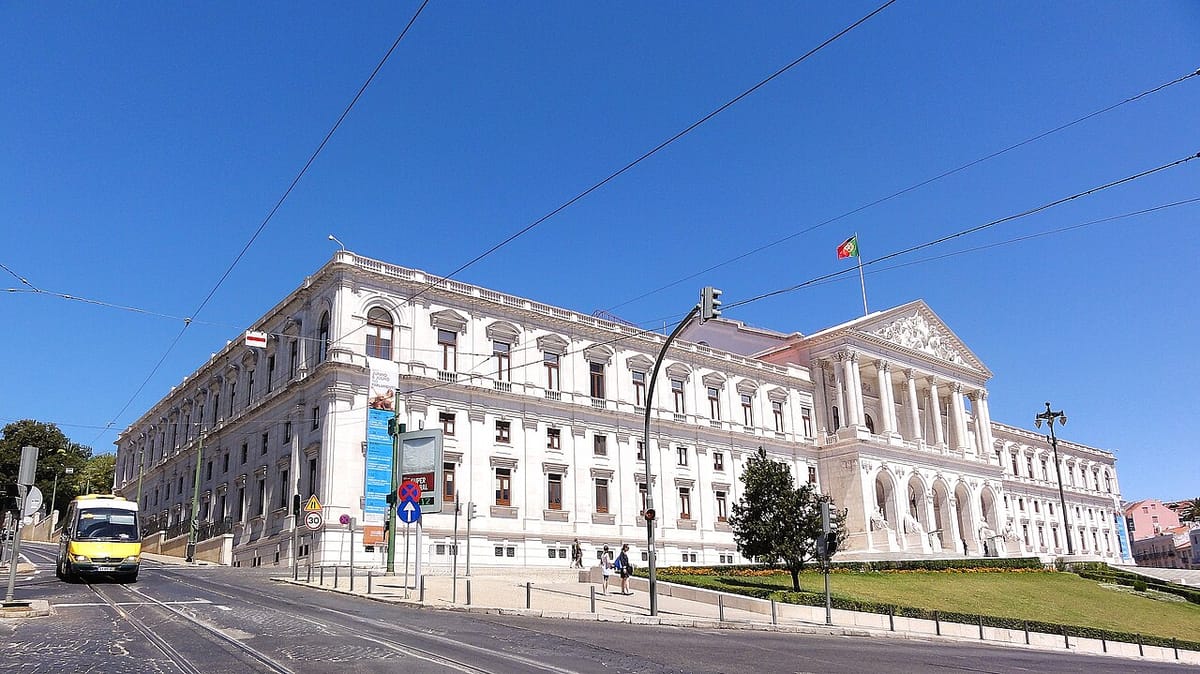
Portugal's Ministério das Finanças (Ministry of Finance) has trimmed its economic outlook for 2026, cutting the growth forecast and abandoning its projected budget surplus. In a medium-term plan progress report submitted this week to the European Commission in Brussels and to the Assembleia da República (Assembly of the Republic), the government now expects the economy to expand more slowly and public accounts to end the year merely balanced rather than in the black.
The revisions are modest but pointed. They reflect a tougher international backdrop and a weak start to the year, and they gently reset expectations that had been building around Portugal's improving fiscal position.
The Key Figures
- Growth: The 2026 GDP forecast has been cut from 2.3% to 2.0%, a reduction of 0.3 percentage points.
- Inflation: The projection for 2026 has been raised from 2.1% to 2.5%, up 0.4 percentage points.
- Budget balance: The government now anticipates a null (zero) balance at the end of 2026, replacing the 0.1% surplus previously written into the Orçamento do Estado (State Budget).
Why the Numbers Moved
The Ministry, led by finance minister Joaquim Miranda Sarmento, points to two main pressures. The first is a changed international framework and higher oil prices, both linked to the conflict involving the United States and Israel against Iran. Costlier energy feeds directly into inflation, which explains the upward revision to consumer prices, and it dampens activity by squeezing household and business spending power.
The second is closer to home: storms in January and February are estimated to have shaved roughly 0.2 percentage points off first-quarter GDP, a drag that a full year of recovery does not entirely erase. Together, these factors turn a projected small surplus into a balanced budget under Luís Montenegro's government.
It is worth keeping the scale in perspective. A 0.3-point growth downgrade and a 0.4-point rise in inflation are meaningful for the fiscal arithmetic, but they leave Portugal still growing at 2% and still running balanced public accounts. That is a stronger starting point than most of the euro area, and the shift from a razor-thin surplus to a null balance is more a loss of headroom than a return to deficit. The move also coincides with a broader effort to recast the budget framework and strengthen fiscal oversight to fit new EU rules.
What This Means for Residents
- Household budgets: Higher projected inflation of 2.5% means prices are expected to rise a little faster than previously assumed, so the same salary stretches slightly less far. The change is modest, not dramatic.
- Mortgages and borrowing: Persistent inflation gives the European Central Bank less room to ease policy quickly, which keeps pressure on rates. Anyone on a variable-rate loan should watch Euribor movements closely.
- Taxes and public spending: A balanced rather than surplus budget leaves the state with less spare fiscal room, which may temper the scope for tax cuts or new spending announcements in the near term.
- Jobs: At 2% growth the economy is still expanding, so the downgrade is unlikely to reverse the broadly stable labour market, though the pace of new hiring may be a touch softer than earlier hoped.
The revised figures are a progress report, not a final verdict, and much still depends on how energy prices and the international situation evolve over the rest of the year. If oil eases and the storm-hit first quarter proves a one-off, the balanced budget could yet firm up. For now, the message from Lisbon is one of cautious realism: growth intact but trimmed, inflation running slightly hotter, and a fiscal cushion that has thinned rather than disappeared. On Portugal's sovereign-credit tape, our report on Fitch upgrading Portugal to A+ with a Stable Outlook, with debt forecast at 87 percent of GDP this year and the agency's own model, rather than its committee, producing the higher score sets the latest reference.