INE Pegs May Industrial Producer Prices at +5.1% Year-on-Year as the Energia Component's 19.5% Spike Adds 3.0 Points to the Headline
INE's May IPPI prints at 5.1% year-on-year, with the energia component up 19.5% and contributing about 3.0 points to the headline. The ex-energy index sits at 2.4%, lining up with Banco de Portugal's H2 inflation glide path to 2.0%.
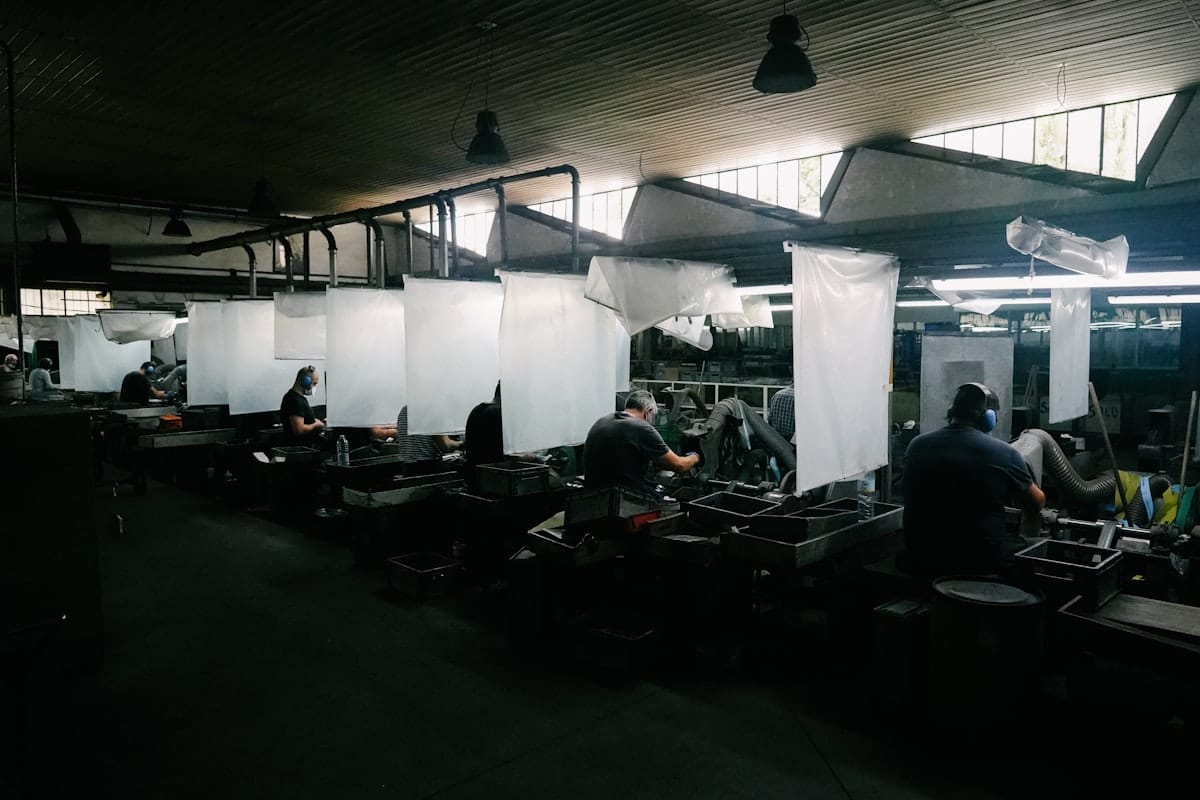
The Instituto Nacional de Estatística (Statistics Portugal, INE) clocked May's Índice de Preços na Produção Industrial (Industrial Producer Price Index, IPPI) at 5.1% year-on-year and 1.0% month-on-month, with a destaque published on Thursday confirming that the energia (energy) component carried almost the entirety of the headline reading. The IPPI excluding the energy bucket settled at 2.4% year-on-year — a 270-basis-point gap to the full index that captures how concentrated upstream price pressure has become.
The Grandes Agrupamentos Industriais (Main Industrial Groupings) breakdown shows the bens energéticos (energy goods) sub-index up 19.5% over the twelve months to May, contributing roughly 3.0 percentage points to the 5.1% headline number on its own. Bens intermédios (intermediate goods) and bens de consumo (consumer goods) hold close to the 2% range, while bens de capital (capital goods) print closer to 1% — the pattern that explains why the ex-energy aggregate sits four-and-a-half points below the headline.
Why the Energy Slug Is So Heavy
The May print rests on an unfavourable base. In May 2025, European natural-gas spot prices had eased to a post-war floor and Portuguese factory invoices captured that decline; twelve months later, the Sines liquefied-natural-gas terminal is pricing in lagged-effect contracts negotiated during the early-2026 winter, and the comparison is steeper than the underlying market would suggest in isolation. The Entidade Reguladora dos Serviços Energéticos (Energy Services Regulatory Authority, ERSE) left the universal-service electricity tariff anchored for the first half of 2026, and Galp's residual fuel-distribution prices have moved with the Rotterdam crack spread, but the year-on-year base does most of the work in the headline.
What It Means for the Macro Read
For the Banco de Portugal (Bank of Portugal) forecasting team, the +2.4% ex-energy reading aligns with the central bank's June projection of consumer-price inflation drifting back toward 2.0% by the fourth quarter of 2026, and matches Eurostat's flash estimate that pegged Portugal's harmonised CPI at 1.9% in May. The European Central Bank's Frankfurt watch on supply-side pressures will likely treat Thursday's IPPI release as confirmatory rather than directional ahead of the July Governing Council.
For exporters, the energy slug is the live concern. The Associação Portuguesa de Alumínio (Portuguese Aluminium Association) and the ceramics cluster around Aveiro have already flagged the energia line to the Ministério da Economia (Ministry of Economy) as their single biggest 2026 cost variable, with intermediate-goods buyers in Spain and France pricing the lag-through into their second-half order books.
A Methodological Note
Thursday's release is the first IPPI compiled on INE's new 2023-base index, replacing the 2021-base series in use since early 2024. The recalibration affects sub-component weights — bens energéticos carry slightly less weight in the new basket — but the top-line growth rate remains methodologically comparable to prior prints. The next IPPI release, covering June data, is scheduled for 18 July.