Wild Boars Are Roaming Arrábida's Beaches and Setúbal's Streets, and Residents Say the Problem Is Out of Control
Wild boars have been wandering onto the beaches of the Arrábida Natural Park and into Setúbal, damaging gardens and grabbing food from beachgoers. Residents say the species is out of control; the ICNF says the seasonal surge in sightings is largely expected and managed through periodic culls.
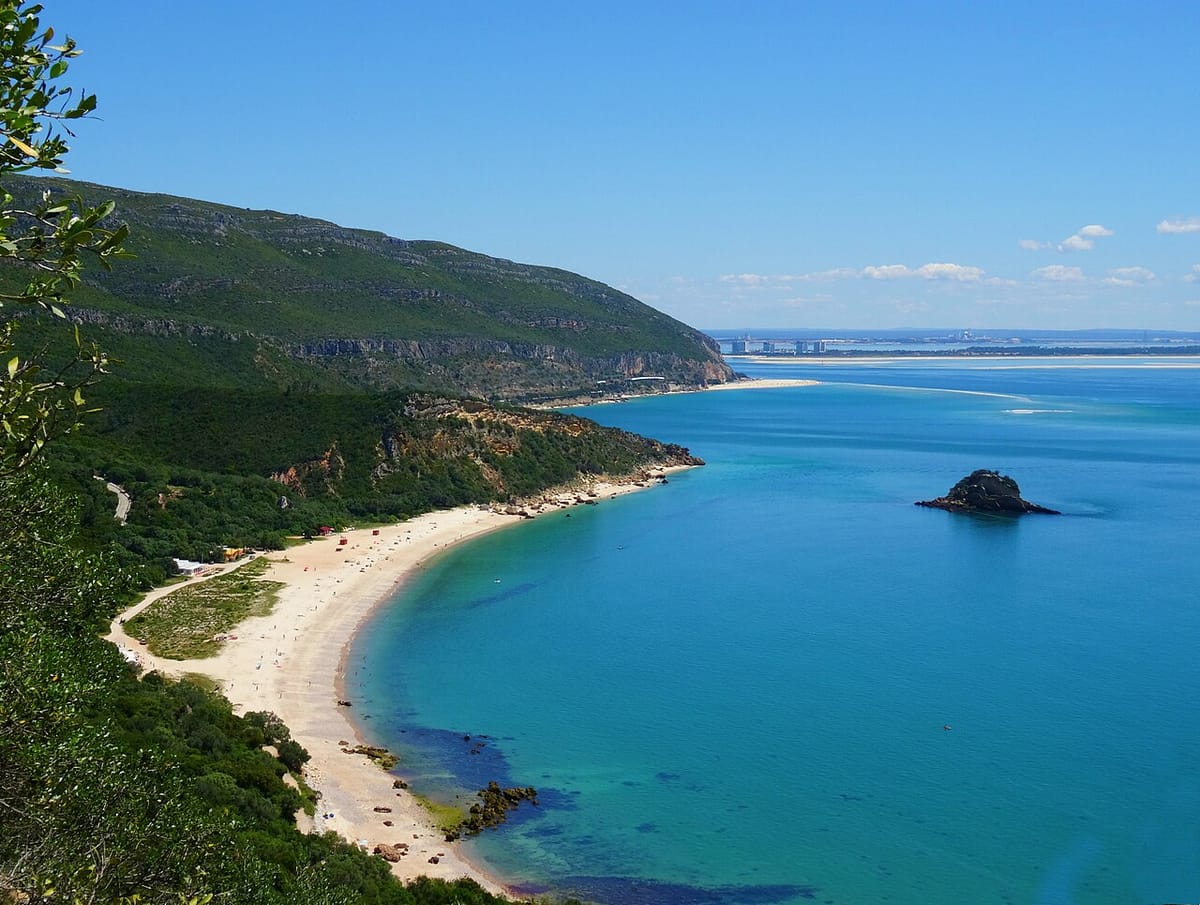
Sunbathers on the Serra da Arrábida this month have been sharing the sand with an uninvited guest. Wild boars — javalis — have been wandering onto the beaches of the Parque Natural da Arrábida (Arrábida Natural Park) and into the streets of nearby Setúbal, rooting through gardens, upending bins and, in several reported cases, trying to snatch bags and food from startled beachgoers. Residents around Portinho da Arrábida describe a species that has, in their words, slipped "out of control," and the sightings have become frequent enough that part of the Praia da Figueirinha was placed under an access restriction during the week.
The animals turn up most often at dawn and dusk, moving between the wooded slopes of the serra and the shoreline in search of food. Beyond the damage to dunes, lawns and beach infrastructure, the bigger worry for authorities is safety: boars crossing the coastal road that threads through the park are a collision risk, and an animal cornered near people can charge. Portugal's wild boar population has expanded steadily for years, pushed along by rural land abandonment, milder winters and the absence of natural predators across most of the country.
What the authorities say
The Instituto da Conservação da Natureza e das Florestas (Institute for the Conservation of Nature and Forests, ICNF) has tried to lower the temperature. It argues that a rise in boar sightings in urban and coastal areas at this time of year is largely expected, driven by seasonal foraging patterns rather than proof that the population has run away or that the animals are being starved of food and water in their usual habitat. Population management in the Arrábida already relies on periodic "density-correction" culls, carried out by licensed hunters and supervised by ICNF wardens, and a strategic plan for the park has recommended stepping up the number of animals removed over the coming years.
Not everyone is satisfied. Some residents want faster, more visible action; animal-welfare voices, meanwhile, have objected in the past to culls staged close to the public. It is the same tension that runs through much of Portugal's wildlife policy — how to protect people and property without hollowing out the protected areas that make places like the Arrábida worth visiting. Readers who have followed our coverage of changes to Iberian wolf compensation and the surge in requests to remove protected swallow nests will recognise the pattern. On the question of who actually owns the shoreline, what a private owner has to prove before a Portuguese court will accept that a beach is theirs sets out the Herdade da Comenda claim to five Arrábida beaches now before the Setúbal court, the Lei 54/2005 rule that puts sea margins in the public domain and presumes them public in every unproved case, the requirement to show documentary title predating 31 December 1864, and the public-use easement that survives on the land even where a private claim succeeds.
What This Means for Expats
- On the beach: If you are visiting the Arrábida or the Setúbal peninsula, keep food sealed and out of sight, and never try to feed or photograph a boar up close. A fed boar quickly becomes a bold one.
- On the road: Drive slowly on the park's coastal roads at dawn and dusk, when animals are most active. Boar collisions are a genuine hazard, and your motor insurance treatment of "animal on the road" damage varies by policy — check yours.
- If you live nearby: Secure rubbish and compost, and report aggressive or injured animals to the ICNF or municipal police rather than approaching them.
- Bigger picture: This is a management story, not a plague. Expect more culls and more debate, especially around the country's protected natural parks, as Portugal works out how to live alongside a booming boar population.