Portugal Drops the Sliding-Scale Cuts to Iberian Wolf Compensation and Will Now Pay for Missing and Newborn Animals
The government has rewritten the rules on how livestock farmers are compensated when the lobo ibérico (Iberian wolf) kills their animals, closing several gaps that producers had long complained left them out of pocket. The changes, reported at the...
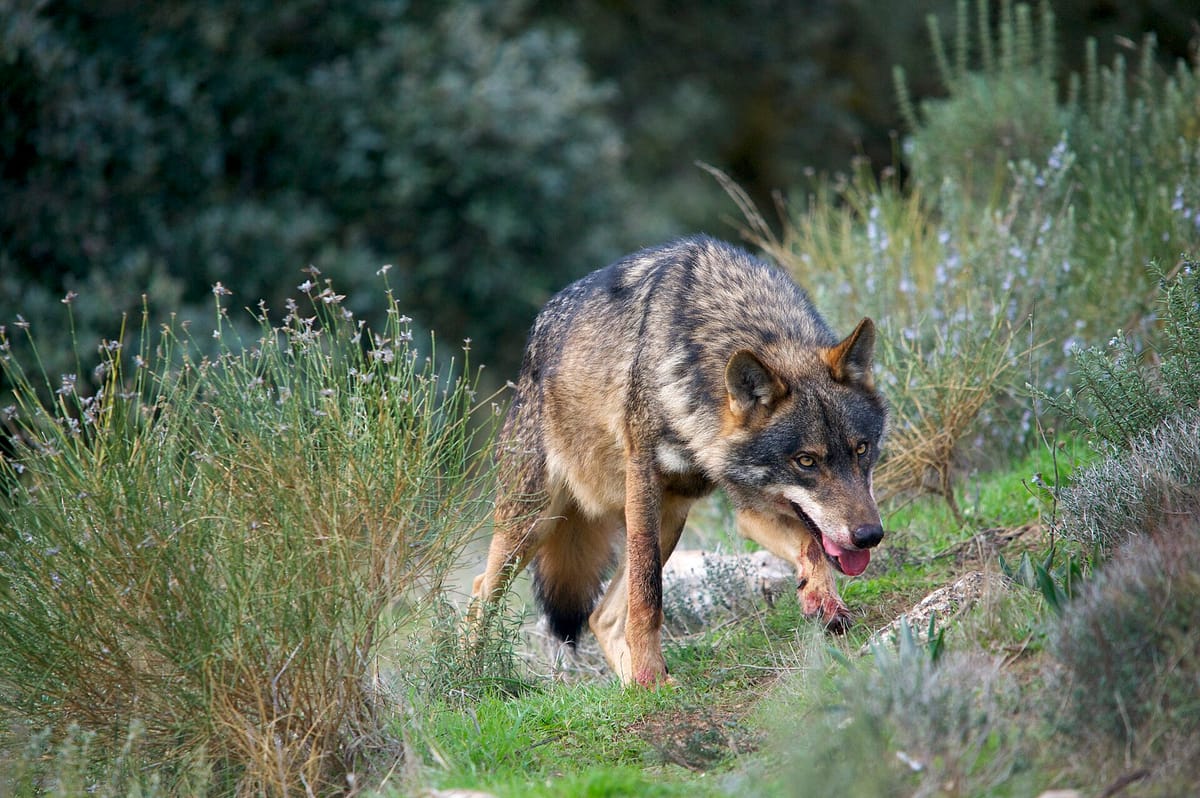
The government has rewritten the rules on how livestock farmers are compensated when the lobo ibérico (Iberian wolf) kills their animals, closing several gaps that producers had long complained left them out of pocket. The changes, reported at the weekend as the new decree-law enters into force, amend the 2016 legal regime that governs the protected predator.
Crucially, this is not the same measure the government announced in June. That earlier move — the €3.3 million Programa Alcateia (“Wolf Pack Programme”) — raised the cash values paid per animal. The decree-law now taking effect, approved by the Conselho de Ministros (Council of Ministers) on 25 June, changes the rules that decide whether a farmer gets paid at all.
Three changes stand out. First, the government has scrapped the sliding-scale reduction that shrank payouts as attacks piled up over a year. Under the old regime, compensation was cut to 90% of the loss after a third attack, 70% after the eighth and 50% from the twelfth — so the hardest-hit herds ended up the least protected. Farmers will now be paid the full assessed value however many times a wolf strikes.
Second, animals that simply vanish after an attack — driven off and never found — can now be compensated, provided the evidence is assessed and validated by the Instituto da Conservação da Natureza e das Florestas (ICNF, Institute for the Conservation of Nature and Forests). Third, animals less than a month old are no longer automatically excluded, a change the government says brings the rules into line with the reality of free grazing, where newborns are out on the land with the flock.
The stated aim, in the government’s words, is to “reinforce producers’ confidence” and make the conservation regime work better, promoting a “more balanced coexistence” between farming and biodiversity.
That balance has been fraught. The Iberian wolf has been strictly protected in Portugal since 1988, and its numbers are fragile: the last national census counted around 58 packs, and the total population is estimated at roughly 300 animals. They are concentrated in the north — Peneda-Gerês, Alvão and the Bragança highlands — with only a handful of packs clinging on south of the River Douro. Conservationists point to a contraction of about 20% in the wolf’s range over two decades as the real emergency.
Livestock producers see it differently. Earlier this year, breeders in the north organised a protest movement, describing wolf attacks on sheep, goats and cattle as relentless and accusing the ICNF of paying compensation late — a charge the institute has largely denied. For them, a protected species that cannot be hunted or fenced out easily is a nightly threat to a hard-pressed rural livelihood.
By targeting the loopholes rather than the headline amounts, the new rules try to answer the most concrete of those grievances: that the way claims were counted and capped left farmers under-compensated precisely when the losses mounted. Whether it eases the underlying conflict — between conserving one of Iberia’s most emblematic wild animals and keeping the flocks of the interior viable — is a harder question the decree cannot settle on its own. On the invasive insect the region is now racing to remove, our report on the twelve-month, EU-funded attempt to erase the Asian hornet from São Miguel before it does in the Azores what it has done across the north of the mainland since 2011 sets the latest reference.