Wednesday's Eclipse Will Erase Roughly 450 MW of Solar Power, and Portugal's Grid Must Fill the Gap
REN estimates Wednesday's total solar eclipse will cut about 450 MW of solar generation — roughly 7% of demand and 45% of expected solar output — in minutes. On a grid now 70% renewable, hydro and gas must fill the gap, and homes with rooftop panels will draw from the grid too.
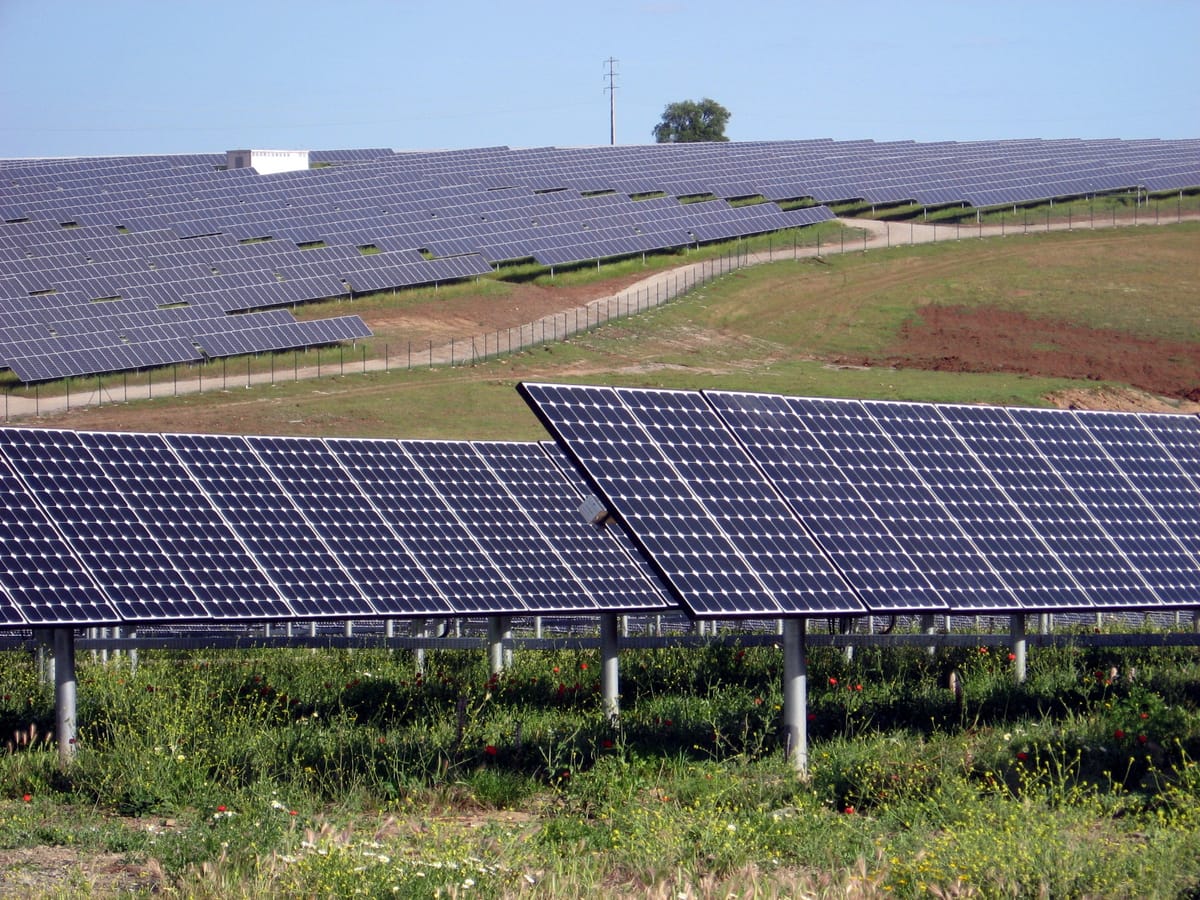
For a few minutes on Wednesday afternoon, the moon will do to Portugal's power system something that no summer cloud can: switch off a large slice of the country's solar farms all at once. The national grid operator REN (Redes Energéticas Nacionais) estimates that the total solar eclipse of 12 August will cut solar generation by around 450 megawatts at its deepest point — roughly 7% of national electricity demand at that hour, and close to 45% of the solar output that would otherwise have been expected for the period.
What makes an eclipse trickier than nightfall is speed. The sun does not set in a slow, predictable curve; the moon's shadow sweeps in and out over the course of the event, forcing output to fall and then recover far faster than the grid is used to. REN's working estimate is a swing on the order of 35 megawatts a minute — a steep ramp that has to be met, minute by minute, by something other than the sun.
Why this is a bigger deal than it once was
A decade ago an eclipse would barely have registered. When Portuguese electricity leaned on coal and imported gas, a darkened sky changed almost nothing. Today the picture is inverted: renewables now supply about 70.5% of the electricity Portugal produces, and photovoltaic solar alone accounted for 25.8% of generation in July 2026 — the month in which, for the first time, solar became the single largest source of electricity in the country. The cleaner the grid gets, the more sensitive it becomes to a sudden loss of sunlight.
The gap will be filled the way any evening ramp is covered: by dispatchable hydropower, gas plants and, if needed, imports across the interconnection with Spain. REN plans these events well in advance precisely because they are predictable to the second, which is why an eclipse is treated as a managed stress test rather than a blackout risk. The lights will stay on. The interesting question is what it costs and who does the balancing — increasingly a job for fast-reacting hydro reservoirs rather than fossil plants.
What this means for residents
- Homes with solar panels lose their free power too. If you run a self-consumption (autoconsumo) system, your panels will produce little to nothing during the eclipse, and you will draw from the grid instead — a brief, harmless reminder that rooftop solar is not the same as a battery.
- No action is required. There is no need to unplug appliances or expect outages; the event is fully anticipated and staffed by the grid operator.
- It is a preview, not a one-off. As Portugal keeps adding solar, the system will have to manage ever-sharper swings — from cloud banks to, one day, more eclipses — making storage and flexible hydro more valuable.
The eclipse is the rare event that is both a tourist spectacle and an engineering exercise. While much of the coverage has focused on where to watch it safely and why you need certified glasses, the quieter story is playing out in control rooms. It also lands as Portugal debates how much new demand its clean grid can carry — from energy-hungry data centres to abandoned megaprojects like EDP's shelved floating-solar plant on the Alqueva reservoir. Wednesday's few darkened minutes are a small, well-rehearsed rehearsal for the balancing act the rest of the decade will demand. On Portugal's interconnection file, our report on the Portugal to Morocco power cable, which the environment minister now says will only be built with private or European money, and which she justifies by the need to restart the grid alone after a blackout sets the latest reference.