War Diverts Summer Tourists to Portuguese Resorts, but Hoteliers Warn the Boost Will Be Short-Lived
Portugal's hospitality industry faces a summer of contradictions. Resort destinations may see a short-term surge in bookings as tourists divert away from the eastern Mediterranean and Gulf states, but the sector's own trade body is warning that the...
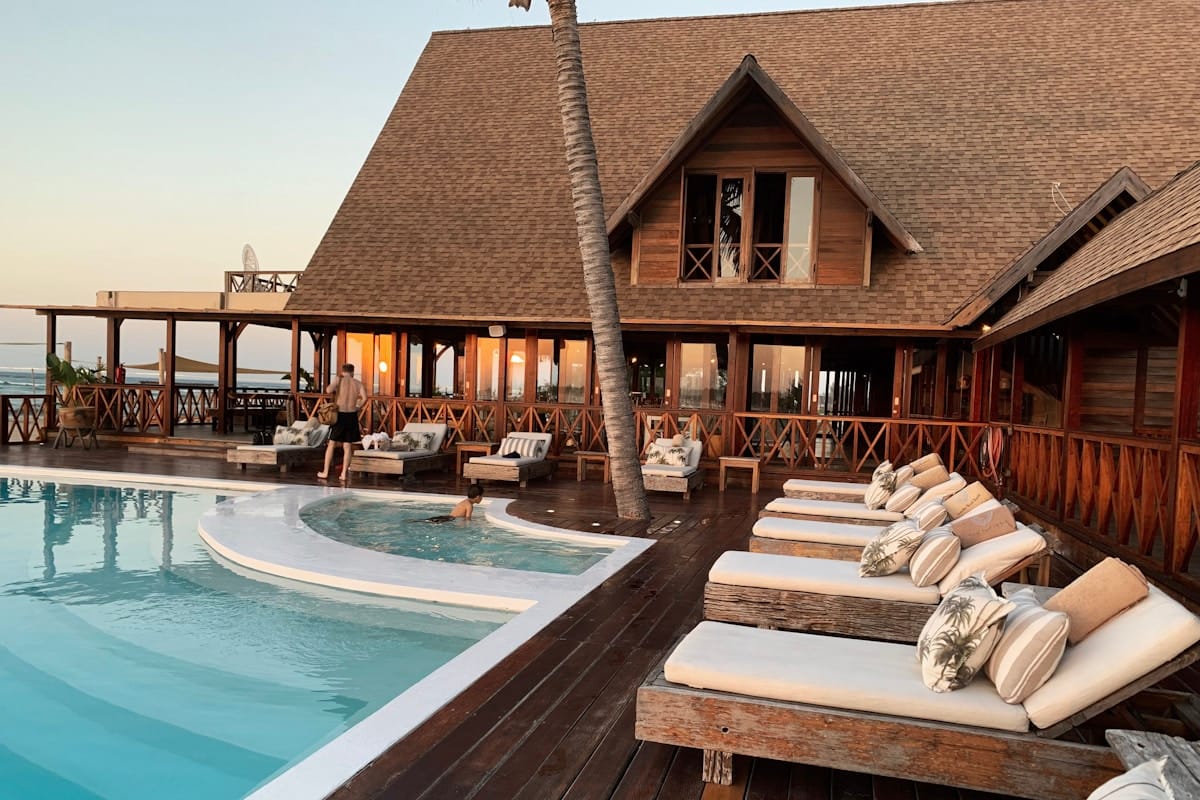
Portugal's hospitality industry faces a summer of contradictions. Resort destinations may see a short-term surge in bookings as tourists divert away from the eastern Mediterranean and Gulf states, but the sector's own trade body is warning that the gains will not last and that 2026 will mark a clear deceleration after years of record-breaking growth.
The Associação da Hotelaria de Portugal (AHP) presented its latest survey of hoteliers this week, painting a picture of an industry navigating between opportunism and anxiety. The data covers the Carnival period, Easter outlook, and the summer horizon — and at each stage, the Middle East conflict is reshaping the market in ways that are only beginning to be understood.
The Summer Opportunity — and Its Limits
AHP vice-president Cristina Siza Vieira used the word “opportunity” carefully when describing the summer outlook. Tourists who would have booked holidays in Egypt, Cyprus, Tunisia, or Gulf resorts are expected to redirect toward western Mediterranean alternatives: Portugal, Spain, Italy, and France.
For Portugal's Algarve coast, the Alentejo shoreline, and Madeira in particular, this could translate into higher occupancy during peak season. But Siza Vieira was blunt about the duration: “In the short term, we have some diversion of flows happening. But it will be short-lived. This is going to slow down for everyone.”
The concern is straightforward. Tourism runs on confidence and stability. A prolonged conflict — and there is no indication of a resolution — depresses consumer sentiment, raises travel costs through energy prices, and shrinks the total pool of international travellers. The AHP's central forecast for 2026 is growth, but at a markedly slower pace: 2.5 percent more guests, 1.7 percent more overnight stays, and 3 percent more revenue. Last year delivered 3, 2.2, and 5 percent respectively.
Asian Markets Have Vanished
The most dramatic shift is the near-total disappearance of Asian tourist markets. Chinese visitors, who had become a significant presence in the Península de Setúbal (45 percent of hoteliers there placed China in their top three source markets during Carnival), have all but stopped arriving. South Korean tourists, drawn to Fatima's religious tourism in the Oeste and Vale do Tejo region, have similarly pulled back.
“There was a violent drop in Asian markets. They have disappeared from the radar,” Siza Vieira said, attributing the collapse to flight cancellations and route suspensions triggered by the conflict. For hotels and tour operators that had invested in Mandarin-speaking staff, Chinese payment platforms, and group tour partnerships, the loss is immediate and structural.
Carnival Numbers: Regional Fractures
The Carnival period offered an early preview of 2026's uneven landscape. National averages held steady — 65 percent occupancy, an average room rate of 112 euros (down one euro from 2025), and revenue per room of 73 euros — but regional differences were stark.
The central coast and Oeste/Vale do Tejo regions took the hardest hit, still recovering from Storm Kristin's damage in late January. The Azores also underperformed, with the average room price dropping from 79 to 60 euros — a decline the AHP linked directly to Ryanair's decision to suspend winter operations to the islands.
Bright spots included the Serra da Estrela, where snow season drew domestic visitors, and the fact that Valentine's Day fell near Carnival, extending stays and boosting in-hotel spending. “The weather was bad and people spent more inside the hotels,” Siza Vieira noted — a silver lining that says more about the storms than about tourism health.
Easter Bookings: Slow to Consolidate
With Easter approaching on April 20, the outlook remains uncertain. National bookings stand at 55 percent with an average rate of 116 euros. At the same point last year, bookings were at 65 percent and rates at 152 euros — though the AHP cautioned that last year's survey was conducted closer to the holiday.
Only Madeira shows a clearly strong position: 75 percent booked at an average of 169 euros per night. The Algarve sits at 62 percent occupancy but a lower average rate of 108 euros. The Oeste, Vale do Tejo, and Azores have the AHP “greatly concerned,” with bookings described as “far below” expectations.
The source market shift is also visible in Easter data. Spain, the United Kingdom, and Germany now dominate, while the United States has dropped out of the national top three entirely. American tourists still appear in the top tier for Greater Lisbon and Alentejo, but the overall trend is downward. “There is a clear slowdown in the American market, both for Easter and for the summer,” Siza Vieira confirmed, citing a combination of geopolitical discomfort and consumer caution.
What This Means for the Expat Economy
Tourism's trajectory matters beyond hotel balance sheets. The sector accounts for roughly 15 percent of Portugal's GDP when indirect effects are included, and it is the largest employer in the Algarve and Madeira. A slowdown ripples through restaurants, retail, local transport, and the property market.
For expats running tourism-adjacent businesses — short-term rentals, tour companies, restaurants in tourist areas — the message is to prepare for volume that grows more slowly and spending that may not keep pace with rising costs. The AHP's 3 percent revenue growth forecast, set against rising inflation driven by energy prices, implies flat or declining real income for many operators.
The disappearance of Asian markets also has implications for Portugal's ambitions as an international investment destination. Chinese and South Korean tourism often served as a gateway for broader economic engagement — property purchases, business scouting, and educational tourism. Losing that pipeline, even temporarily, has knock-on effects that extend well beyond hotel occupancy figures.
The AHP's headline assessment is measured but unmistakable: Portugal's tourism will still grow in 2026, but the era of effortless, year-on-year records is over. What comes next depends on how long the war lasts, how quickly energy prices stabilise, and whether Portugal can hold its appeal in a world where fewer people are willing to travel.
Sources: Observador (Mar 26, 2026), AHP Inquérito de Balanço e Perspetivas (March 2026)
Related reading: Cruise Tourism Pushed €940 Million Into the Portuguese Economy in 2025 — CLIA Numbers
Background: See our 2026 visitor guide to Fátima and the Caminho pilgrim routes. (Background: see our piece on the hiking in Portugal in 2026 guide.). (Background: see our piece on the walking the Caminho Português de Santiago from Porto in 2026.)
Background: See the March 2026 INE tourism release and Madeira's first ever million-night March. On the public-holiday and labour-calendar side, our 2026 guide to public holidays in Portugal (the 13 national feriados under Article 234 of the Código do Trabalho, the movable Easter cycle, the municipal feriado calendar, the optional Carnaval Tuesday and the Tolerância de Ponto despacho) sets the latest reference. On the hospitality side of the file, our 2 June read on AHP's 2026 Balanço Páscoa e Perspetivas Verão survey — the mercado nacional dropping 10 points to 68% of the top-three markets tape, Brasil falling to 12%, the UK holding 95% in the Algarve and 50% of hoteleiros pricing in worse occupation, with Booking at 99% and own-website distribution down 8 points sets the latest reference. On the agri-food and olive-oil side of the file, our 3 June read on Lisbon hosting the second Olive Oil World Congress at the Centro Cultural de Belém on 2-3 July — Casa do Azeite pairing the congress with the IOC's 123rd Council Session and 66th Advisory Committee Meeting inside Portugal's 179,000-tonne 2025/2026 olive-oil campaign frame and the Alentejo / Trás-os-Montes / Beira Interior DOP production base sets the latest reference. On the tourism, cruise and port-economy side of the file, the Port of Lisbon's record cruise June sets the latest reference.