The EU's €20 ETIAS Travel Permit Slips to 2027 After a Rocky Rollout of the New Border System
ETIAS, the EU's pre-travel authorisation for visa-exempt visitors, looks set to slip from late 2026 into 2027 after the Entry/Exit System's troubled April debut caused airport queues. When it arrives it will cost €20, be free for under-18s and over-70s, and last three years. For now, Portugal-bound
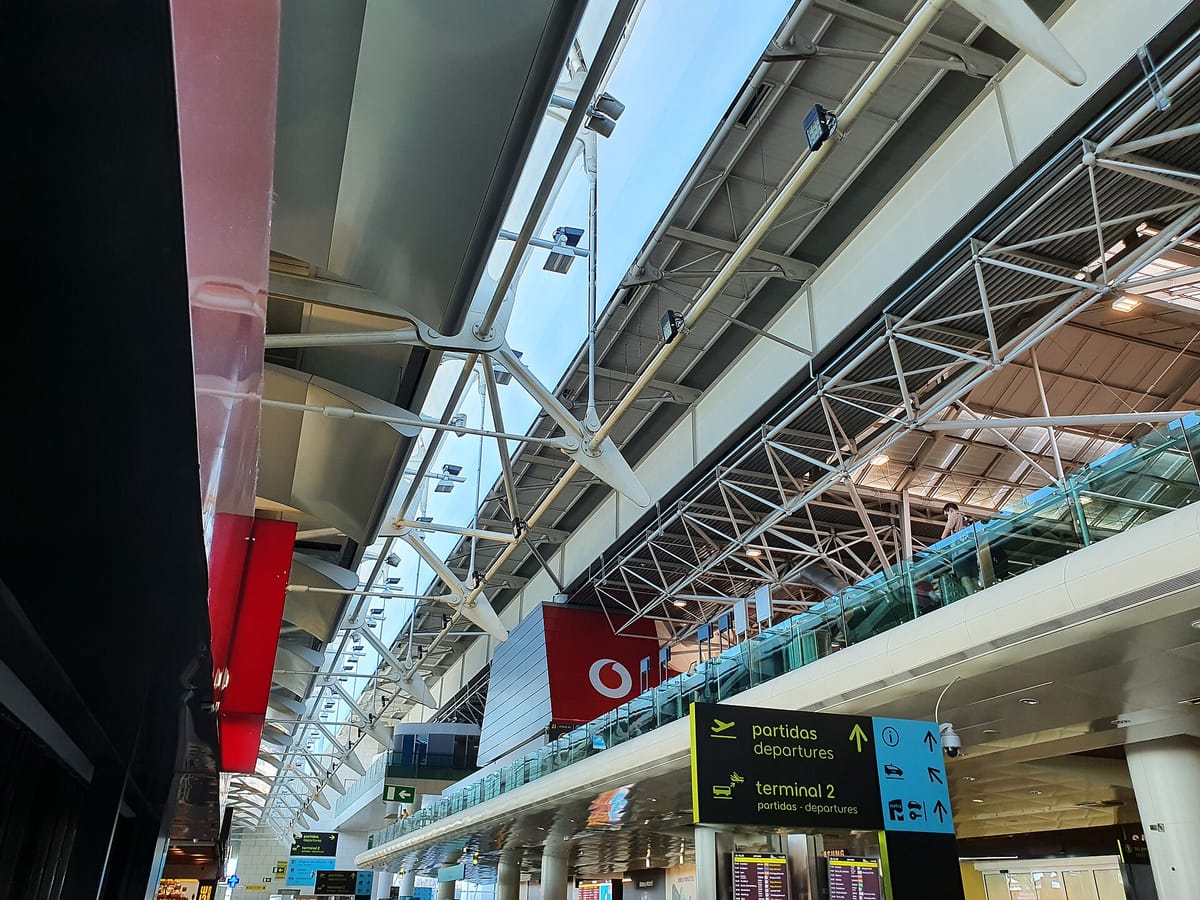
Travellers who were bracing to fill in yet another online form before flying to Portugal have been granted a reprieve. The European Union's long-delayed travel-authorisation scheme, ETIAS, looks set to slip once more — from an expected launch late this year to sometime in 2027 — after a bumpy rollout of the border system it depends on.
ETIAS, the European Travel Information and Authorisation System (Sistema Europeu de Informação e Autorização de Viagem), is not a visa. It is a pre-screening requirement for the roughly 60 nationalities — among them British, American, Canadian and Australian citizens — who can currently enter the Schengen area without one. Once live, those travellers will have to apply online, pay a fee and receive an approval before boarding.
Why the delay
The hold-up traces back to the system ETIAS sits on top of. The Entry/Exit System (Sistema de Entrada/Saída, or EES), which replaces passport stamping with digital records of entries, exits and biometric data, became fully operational across Schengen only in April 2026 — and its debut was rough. Airlines and airport operators reported chaotic queues at around 20 major airports through the peak summer season, and industry bodies including IATA and ACI Europe warned on 1 July that the situation had reached a critical point.
With EES still being smoothed out, EU officials have concluded that piling a second new system on top would be unwise. The bloc's technology agency, eu-LISA, has reportedly judged a 2026 launch “no longer realistic,” with one official quoted as calling it illusory. ETIAS cannot function until EES is running cleanly, because the two share the underlying border infrastructure — so fixing the first has taken priority over launching the second.
What it will cost, and who pays
When it does arrive, ETIAS will cost €20 per application — up from the €7 originally proposed, an increase the Commission attributes to inflation since 2018 and to added technical features. Travellers under 18 and over 70 will be exempt from the fee, though they will still need an authorisation. Once granted, an ETIAS approval is valid for three years, or until the holder's passport expires, whichever comes first, and covers multiple short stays.
The scheme will apply to 30 European countries — all EU states except Ireland, plus Iceland, Norway, Liechtenstein and Switzerland. When it finally launches, a six-month transition period is planned during which travellers are asked to apply but will not be turned away for lacking an authorisation, followed by a grace window before it becomes strictly mandatory in practice.
What it means for Portugal
For Portugal, a country whose economy leans heavily on tourism and which draws a large share of non-EU visitors and second-home owners, the delay removes a near-term source of friction at the border. Britons with holiday homes in the Algarve, Americans exploring residency, and the millions who fly into Lisbon, Porto and Faro each year will not need an ETIAS this summer or, in all likelihood, this winter.
The reprieve is temporary. The requirement is coming, and travellers who visit Portugal regularly should plan on registering — and paying the €20 — once the EU sets a firm date. For now, though, the only document most visitors need remains the same one they have always carried: a valid passport. On the flexibility the border forces have just lost, our account of what expired at the biometric border on 6 September, why the six-hour partial suspension ran that late, and what Portuguese airports have left when a queue builds sets the latest reference.