Portugal's First Digital Exam Marking Falters, Delaying 300,000 Secondary Results to July 17
Portugal's first attempt to mark its 300,000 national secondary exams digitally has been hit by platform crashes, mis-scanned papers and a security flaw, forcing grading deadlines back and delaying results to 17 July. Minister Fernando Alexandre dismisses 'alarmism' as a petition and opposition part
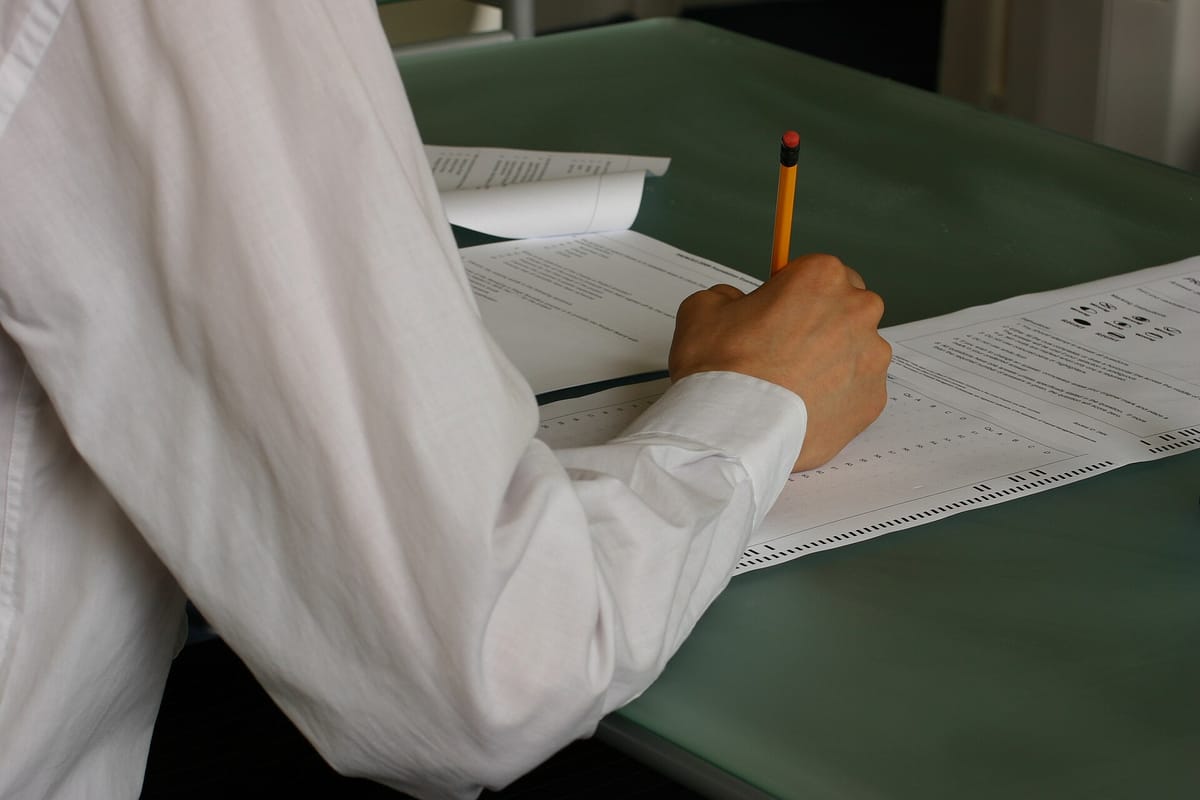
Portugal's first attempt to mark its national secondary-school exams digitally has run into a wall of technical failures, forcing the government to push back grading deadlines and delay results for hundreds of thousands of students.
For the first time, the roughly 300,000 exam papers sat by secondary-school pupils were scanned and distributed electronically to the teachers who grade them, replacing the old system of physical scripts. Almost from the start it went wrong: teachers were summoned to mark by mistake, the platform crashed or refused access, and when papers did appear many were poorly digitised — pages cut off, swapped or too blurred to read.
The Ministério da Educação (Ministry of Education) then suspended the platform for maintenance overnight after being warned of a security weakness, deepening a backlog in which around a fifth of exam responses had still not reached markers. The system is run by a long-standing supplier that has worked with the ministry since 2018.
New dates
The fallout has reshuffled the exam calendar. Teachers now have until 14 July to finish grading, rather than 10 July, and results will be published on 17 July instead of 14 July. The second phase of national exams, originally due to begin on 16 July, has been pushed to 20–24 July. Some 10,941 teachers are currently working through the papers.
Education Minister Fernando Alexandre has pushed back hard against the mounting criticism, dismissing what he called "alarmism" and insisting the timetable will hold. "My responsibility is that on the 17th the grades are published with complete rigour," he said, promising that no student would be penalised by the disruption. As a concession, pupils will for the first time be able to see their own corrected exams.
Pressure builds
That reassurance has not calmed everyone. A petition demanding the annulment of the 2026 national exams has gathered more than 5,700 signatures, and opposition parties have seized on the chaos. The Bloco de Esquerda (Left Bloc) has called for a parliamentary inquiry into the marking process, while the Partido Comunista Português (Portuguese Communist Party), or PCP, wants the minister summoned to explain himself to lawmakers.
The disruption has also hit families directly. Shifting exam dates have upset holiday plans and, in some cases, second-phase preparations, and Alexandre has acknowledged that the state "should compensate" households that can prove they suffered losses — while cautioning that establishing such damages through administrative channels would not be "very easy."
For a reform meant to modernise a creaking paper-based process, the rollout has become a cautionary tale. The technology promised faster, more transparent marking and, eventually, letting students inspect their own scripts. Instead, its debut has produced delayed results, frustrated teachers and a political row — and left the education ministry insisting, against the evidence of the past fortnight, that the grades landing on 17 July can be trusted.