Cruise Tourism Pushed €940 Million Into the Portuguese Economy in 2025 — CLIA's Numbers Show 9,800 Jobs, an €174 Million Buy-Local Bill, and Eight New Multifuel Ships Sailing in 2026
CLIA's 2026 State of the Cruise Industry report puts Portugal at €940M in cruise-driven economic activity for 2025 — €410M GDP, 9,800 jobs, €174M cruise-line on-shore spend, and 80,000 Portuguese passengers (+7.3%). Eight new multifuel ships enter service in 2026 on $6.6B of capex.
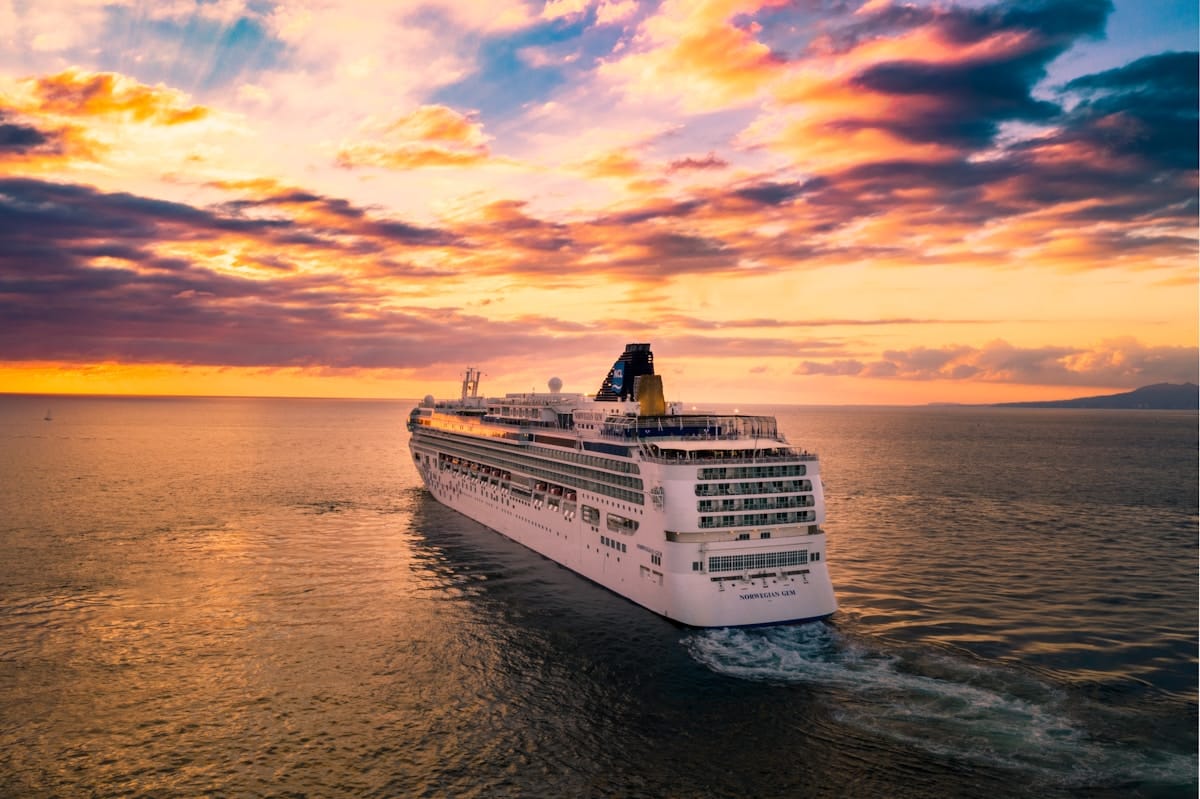
The Cruise Lines International Association (CLIA) released its 2026 State of the Cruise Industry report on Monday morning, and the headline number for Portugal is one the industry has been waiting on for two years: cruise tourism generated €940 million in economic activity inside Portugal in 2025, contributing €410 million directly to GDP and sustaining 9,800 full-time-equivalent jobs across the ports, the supply chain, and downtown tour operators. The number of Portuguese passengers booking a cruise climbed 7.3% on the year, to roughly 80,000.
The publication slot matters. CLIA times its annual data drop deliberately for late April, the start of the Atlantic-Mediterranean shoulder season — exactly the moment when the Lisbon, Leixões and Funchal cruise terminals shift from a winter rotation of repositioning calls to the high-volume Iberian-loop traffic that drives almost two thirds of the year's port revenue. The industry's own framing this year leans on three numbers: total impact (€940M), GDP contribution (€410M), and cruise-line on-shore purchases (€174M, or 42% of the direct impact).
Where the €940 million actually goes
The CLIA breakdown is more granular than the headline suggests:
- €174 million in cruise-line purchases inside Portugal — the food, fuel, port services, technical support and crew payroll that lines spend at Portuguese ports. This is 42% of the direct impact and the single biggest line item.
- €150 million in passenger and crew on-shore spending — restaurants, retail, tours, taxis. Roughly 70% of European cruise passengers participate in a shore excursion at each port; 64% overnight in the city before or after the cruise itself.
- €616 million in indirect and induced effects — the supplier-to-supplier chain that fans out from the direct €324M, plus the wage spending of the 9,800 supported jobs.
The job number is also instructive. 9,800 FTEs is small in absolute terms — Portugal's tourism sector employs roughly 320,000 people in total, per the most recent INE Travel and Tourism Satellite Account — but the cruise share is concentrated in port cities where the multiplier on a single ship call is steeper: a 4,000-passenger Royal Caribbean or MSC unit dropping into Lisbon's Cais de Alcântara on a Saturday morning effectively triples the foot traffic on the Belém riverfront for eight to ten hours.
The Portuguese passenger profile
The 80,000 Portuguese passengers in 2025 mark a 7.3% increase on 2024 — the third consecutive year of growth, and the first time the domestic outbound figure has crossed 75,000 since the pandemic disrupted the sector. CLIA's profile data is consistent year on year: the average Portuguese cruise passenger is 48 years old and books an eight-day itinerary, almost always a Western Mediterranean or Northern Europe loop. The Mediterranean itself remains the dominant European destination at 45% of demand, followed by Northern Europe and the Atlantic Islands route that puts Madeira and the Azores on the same map.
Eight new ships, $6.6 billion of capex
The forward-looking section of the CLIA report is what cruise line procurement teams in Marseille, Genoa and Miami spent the morning reading. Eight new ships will enter service globally in 2026, representing $6.6 billion of capital expenditure (≈ €5.6 billion). The structural shift inside that headline is the energy mix: 57% of the new vessels are equipped with multifuel engines capable of running on LNG, methanol, or biofuels, up from 38% of last year's order book.
For Lisbon and Leixões, the multifuel transition is operationally relevant. Both ports already host shore-power plug-in points (cold ironing) for fully electric berthing, and APL — Administração do Porto de Lisboa — is in the back half of a multi-year capacity expansion at Santa Apolónia and Alcântara that includes a new methanol bunkering capability committed for 2027. The 2025 numbers show the demand arriving before the supply infrastructure is fully online.
Industry context: 37.2 million passengers globally, 9 million in Europe
The 2025 global cruise passenger volume hit a record 37.2 million, per the CLIA report — the first year above the 37-million threshold and a clear post-pandemic recovery completion. Europe specifically generated about 9 million passengers, of which Portugal's 80,000 represents under 1% — a small slice but one that punches well above its weight in revenue terms because of how high-value the Lisbon-Funchal-Leixões loop is for cruise lines (it pairs a UNESCO city with a duty-free archipelago and a Douro extension, all on the same itinerary).
What this means for expats
- Lisbon and Porto restaurant capacity: The cruise schedule is the leading indicator for Saturday lunch reservations near the riverfront. If you live in Belém, Alfama, Ribeira (Porto), or central Funchal, the AGEPOR cruise schedule is now public and updated weekly — checking it before booking dinner saves an hour-plus wait. The 2026 calendar already shows 327 ship calls into Lisbon and 110 into Leixões.
- Local employment: 9,800 sector jobs is a meaningful number for Lisbon, Funchal, Leixões and Ponta Delgada labour markets. The roles are seasonal and disproportionately weighted toward English-speaking guides and shore-excursion operators — a niche where bilingual expats have a real competitive edge if they hold a TR (Título de Residência) and can register with Turismo de Portugal.
- Air pollution and shore power: The shift to multifuel engines and the Lisbon-Leixões cold-ironing infrastructure will progressively cut diesel-engine emissions at berth — a real-world quality-of-life signal if you live in Alcântara, Algés or Matosinhos. The transition is gradual and uneven: the 57% multifuel share applies only to new ships entering service in 2026, not the existing fleet.
- If you're booking a cruise from Lisbon: The Lisbon embarkation port handled record passenger numbers in 2025 (€80M direct revenue, per APL operational reporting cited by Observador in January 2026). The practical advice is unchanged: arrive at Cais de Alcântara at least three hours before sailing, park at the long-term lot, and bring a printed booking confirmation alongside the QR code — Portuguese terminal staff still prefer paper.
- Investment angle: The €174M cruise-line on-shore spend is concentrated in a small number of suppliers — bakeries, fish suppliers, fuel agents, port-services contractors. If you're an investor or a small-business owner with B2B exposure to the cruise supply chain, the 2026 outlook is firmer than at any point since 2018.
What's still open
The CLIA numbers do not break out Funchal and Ponta Delgada separately from mainland ports — and the Madeira and Azores cruise economies have a meaningfully different shape from the Lisbon-Leixões loop. APRAM (Madeira) and APSA (Azores) typically publish their own port-by-port figures in May or June, which will give a sharper picture of the regional split. The other open question is the 2026-2027 berth-allocation friction in Lisbon: APL has flagged in its operational reporting that Saturday slot demand at Alcântara is now consistently above 100% of capacity during the May-October peak, which means smaller cruise lines are increasingly being pushed to weekday calls or to Setúbal as an overflow port. The infrastructure investment cycle to lift that ceiling — which APL has costed at €120-180 million over five years — is now formally on the table at the Ministry of Infrastructure.
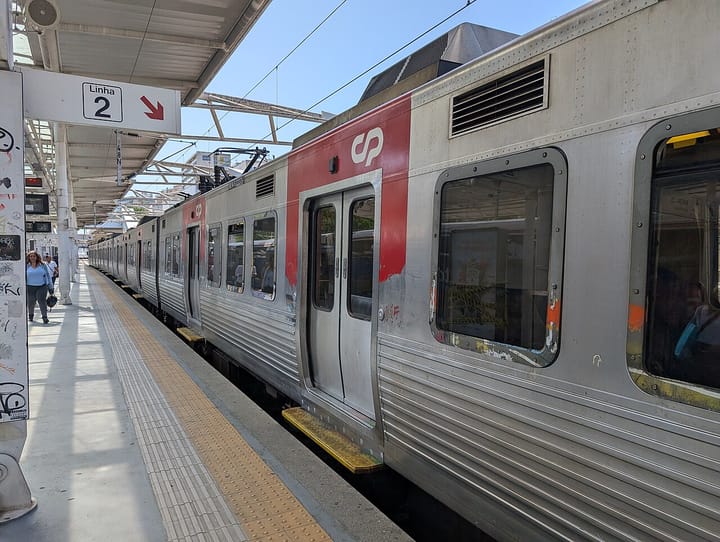
For broader Portuguese tourism context, see our coverage of Portugal Fresh's record €2.7M international promotion budget through 2027, the Easter 2026 visitor surge, and our guide to Getting Around Portugal by Train if you're combining a cruise embarkation with a CP itinerary. On the tourism, cruise and port-economy side of the file, the Port of Lisbon's record cruise June sets the latest reference.