Santa Apolónia Loses Its Metro for More Than a Year, and Lisbon Opts Against a Shuttle Bus
Lisbon council has approved the transport plan for closing the Blue Line between Terreiro do Paço and Santa Apolónia. Público says works start in early November and run into 2028; there is no shuttle bus, and the city pays the Metro 2.8 million euros.
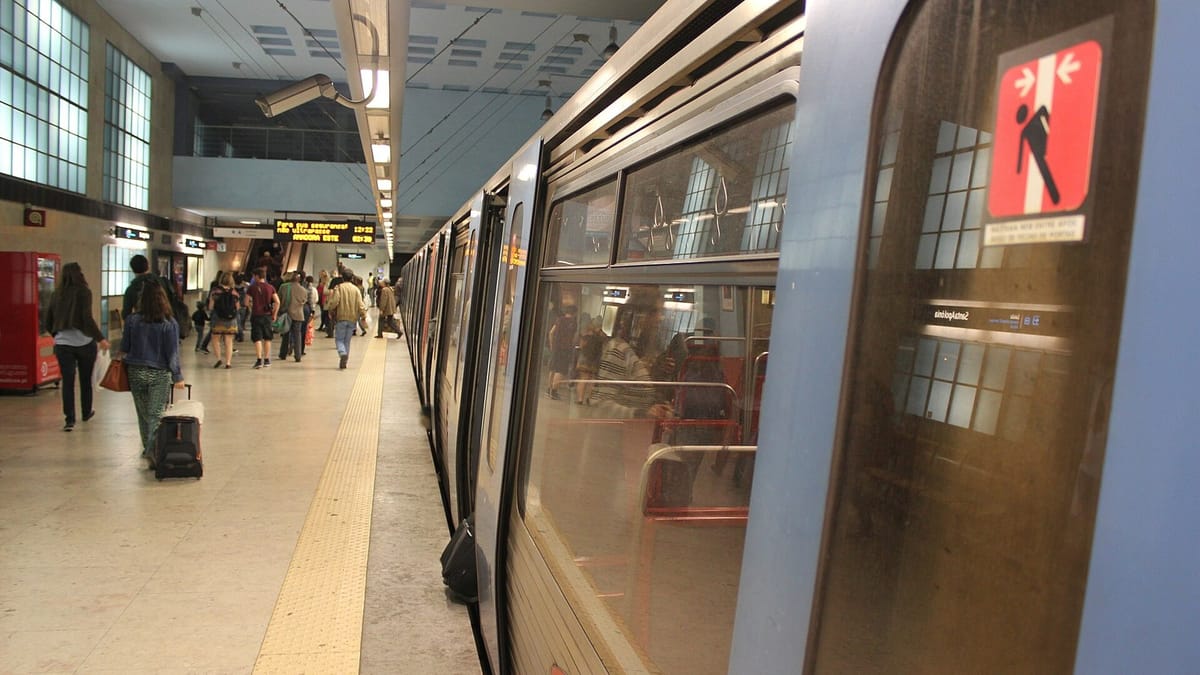
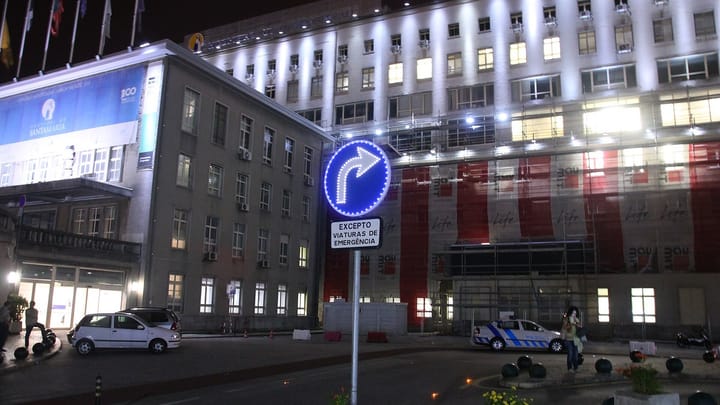
Lisbon Metro passengers should plan for more than a year without trains to Santa Apolónia. On Wednesday, 7 October, the executive of the Câmara Municipal de Lisboa (Lisbon City Council) approved the transport plan for the closure of the line between Terreiro do Paço and Santa Apolónia, the stop that serves the railway station and cruise terminal. According to Público, the works start in early November and the interruption runs into 2028. The plan itself, seen by Lusa, carried no date.
During the closure the Blue Line will terminate at Terreiro do Paço, and Santa Apolónia metro station will be shut. The railway station run by CP (Comboios de Portugal, the national rail operator) stays open.
What replaces the metro
According to Lusa, there is no dedicated shuttle bus between the two stations. The council argues a single shuttle would be "more restrictive for the user" and opted for a network of complementary alternatives:
- Carris, the city bus company, adds surface capacity and direct links from the Santa Apolónia area to Cais do Sodré and Restauradores.
- The Metro keeps the Blue Line running to Terreiro do Paço and spreads demand across other interchanges.
- CP points rail passengers to Oriente, where trains meet the Metro's Red Line, and to Braço de Prata and the Linha de Cintura (the rail line circling the city) as other routes into the Metro.
The plan names three conditions for success: Carris buses able to move through traffic, simple and consistent travel information, and intensive monitoring in the first two weeks to adjust services to real demand. No route numbers or frequencies had been published by Wednesday evening.
A split vote and open questions
The plan passed, Lusa reported, with the votes of the governing PSD, CDS-PP and IL majority and the Socialist Party (PS). The PCP and the Left Bloc (BE) abstained; Chega and Livre voted against. The Left Bloc called it "very insufficient": the nearest metro stations are over 20 minutes away on foot and no bus lanes are protected. Livre asked what is planned for people with reduced mobility and cruise passengers; its amendment was rejected. Chega's councillor said a closure first presented as 10 months now stands at 415 days.
Money is a sore point too. Público reports that the council will pay the Metro 2.8 million euros in compensation. The PCP objected that the figure was calculated by the Metro itself and not checked by council services.
Why the line has to close
The closure serves the Plano Geral de Drenagem de Lisboa (Lisbon General Drainage Plan), whose largest element is a tunnel about 5 kilometres long from Monsanto to Santa Apolónia, built to carry stormwater to the Tagus and protect flood-prone areas such as the Baixa. As the excavation neared the river, engineers found that the ground around the metro tunnel was weaker than expected; the metro gallery must be reinforced from inside, and trains cannot run meanwhile. The Laboratório Nacional de Engenharia Civil (National Civil Engineering Laboratory, LNEC) found the reinforcement design viable, the council told the municipal assembly in September.
The timetable keeps slipping. In December 2025 the closure was due to last six months from early 2026. By late June it was set for July 2026 to April 2027 (we reported the eight-month estimate in June), and in September the council spoke of about 10 months starting in September or October. The council's own drainage plan website still gives November 2027 as the estimated end of the Santa Apolónia worksite. Until the closure date, bus routes and a reopening date are published, treat every date as provisional.