Lisbon's Chelas-Beato Drainage Tunnel Slips to 2029 as Santa Apolónia Metro Faces an Eight-Month Shutdown — Câmara Awaits LNEC Calculations to Open the Second Bore of the €250 Million Plano Geral de Drenagem
Lisbon's Chelas-Beato drainage tunnel — the second of two storm-water bores in the €250 million Plano Geral de Drenagem — now completes in 2029, with Santa Apolónia metro facing an eight-month shutdown once LNEC releases the structural calculations.
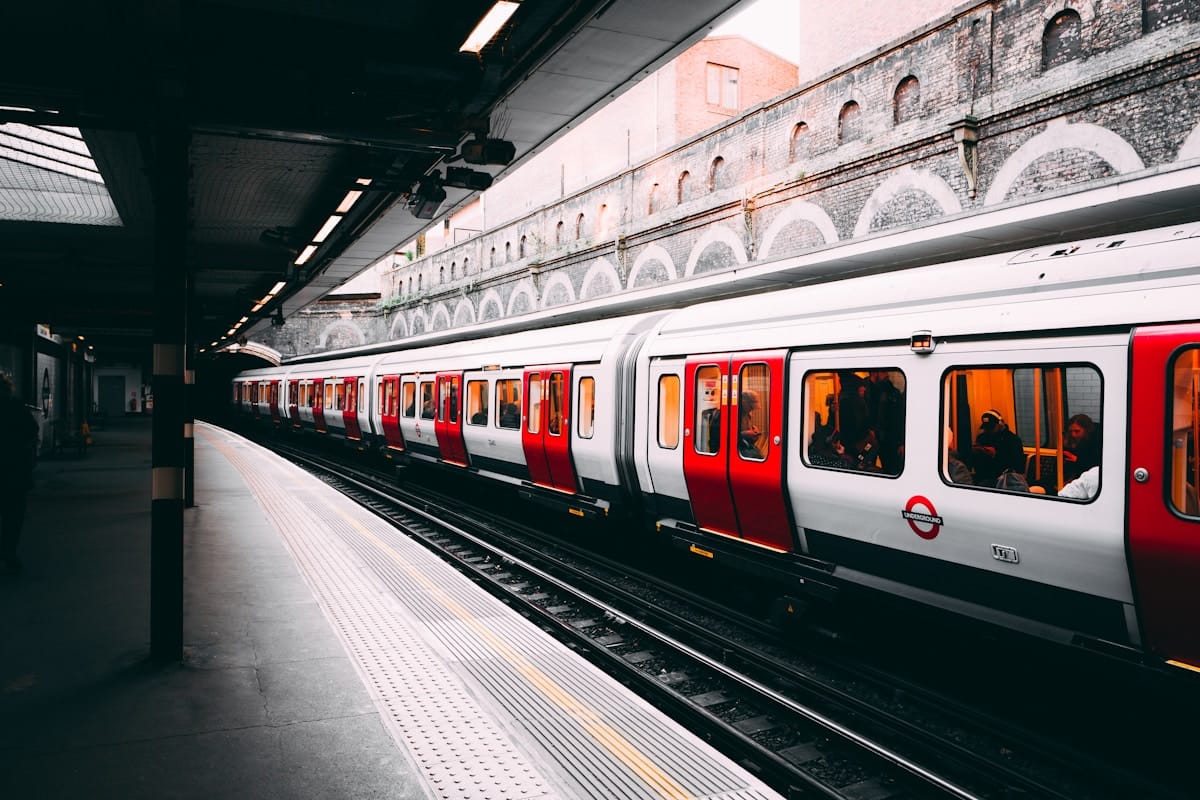
The second of the two megatunnels that anchor the Plano Geral de Drenagem de Lisboa (PGDL, Lisbon General Drainage Plan) is now expected to complete in 2029, four years later than the 2025 deadline the PSD-led Câmara Municipal de Lisboa set when it took office. Mayor Carlos Moedas confirmed the slippage on the Chelas-Beato bore and said civil-works packaging is now waiting on the structural calculations the Laboratório Nacional de Engenharia Civil (LNEC, National Laboratory for Civil Engineering) is finalising. The same package triggers the eight-month closure of the Santa Apolónia metro station, the eastern terminus of the Linha Azul.
Two Tunnels, One Plan
The PGDL was approved in 2015 with a 2016-2030 horizon and a total envelope around €250 million. The plan's headline civil works are two storm-water tunnels. The first runs roughly 5 kilometres from Monsanto to Santa Apolónia, capturing runoff from the high points of the city's western flank and discharging into the Tejo at the river-front station. Construction began in December 2023 and the bore finished on 22 July 2025. The second tunnel covers the eastern flank — about 1 kilometre between Chelas and Beato — and links to the first at the river to dump combined runoff into the Tejo.
Together, the two tunnels are sized to absorb peak storm flows that, in the November 2022 and December 2023 floods, overwhelmed the existing combined-sewer network and left Avenida Almirante Reis under standing water for hours. The political stakes are high: every Lisbon administration since the early 2000s has folded the storm-drainage promise into its programme, and every one has missed its delivery date.
What the Santa Apolónia Closure Means
The civil-works package that opens the second bore at the Tejo end requires the Linha Azul tracks to be lifted at Santa Apolónia. Metropolitano de Lisboa has confirmed an eight-month closure, replacing the original six-month window the operator signalled in late 2025. The current schedule has the shutdown beginning once LNEC delivers the structural sign-off — Moedas's reading is "shortly" — and points to a reopening in the first half of 2027.
- Linha Azul service. Trains terminate one stop earlier at Terreiro do Paço during the closure. Carris operates a light-bus shuttle between Santa Apolónia and Terreiro do Paço carrying the standard navegante fare integration.
- CP intermodal. Santa Apolónia remains a CP Linha do Norte head station; passengers transferring from regional and Intercidades services lose their direct metro link and have to walk to the shuttle pick-up at Praça do Comércio.
- Riverfront works. The Tejo discharge structure on the Avenida Infante D. Henrique side of the station goes operational once the Chelas-Beato bore is connected, with the dual-tunnel network online from 2029.
Why the Slippage
The Chelas-Beato alignment runs under denser legacy infrastructure than the western tunnel, including the Linha do Norte rail viaducts and the Santa Apolónia goods yard. LNEC's calculation work covers the interface between the new bore and the existing first tunnel at the Santa Apolónia node, plus the connection to the river-discharge structure. Câmara framed the 2029 horizon as the realistic outcome rather than an optimistic one — Moedas said one year ago that, by end-2026, the Monsanto-Santa Apolónia tunnel would be "totally ready, with an outlet to the river," and the Chelas-Beato bore would close out in 2029. That timetable is now the working baseline.
The Câmara's next visible milestone is the LNEC structural release. The procurement track for the second bore opens immediately afterwards, with the Santa Apolónia metro closure beginning the same week the lift-and-cover trench at the platform end is mobilised. Until then, the Linha Azul runs full service to the river. Separately, our guide to when a Portuguese property may keep a septic tank, and who is allowed to empty it sets out the 20-metre rule that makes connection compulsory, the difference between a sealed tank and one that infiltrates, and the fines for staying off the network when you cannot. On what comes next for surface transport in eastern Lisbon, the consultation on Lisbon's 16E fast tram, and the two prices Carris quotes for it sets out the eleven-kilometre line from the Praça do Comércio to the Parque Tejo, the five route options in the environmental impact study, the tree transplants and lost parking the study concedes, and the 23 million euro gap between the two investment figures on the operator's own website.