Brussels Investigates Whether Coca-Cola's Biggest European Bottler Kept Supermarkets in Portugal and Seven Other Countries From Buying Across Borders
The European Commission has opened a formal antitrust case against Coca-Cola Europacific Partners over rebates tied to not exporting, country-specific pack sizes and national-only negotiations. There is no deadline.
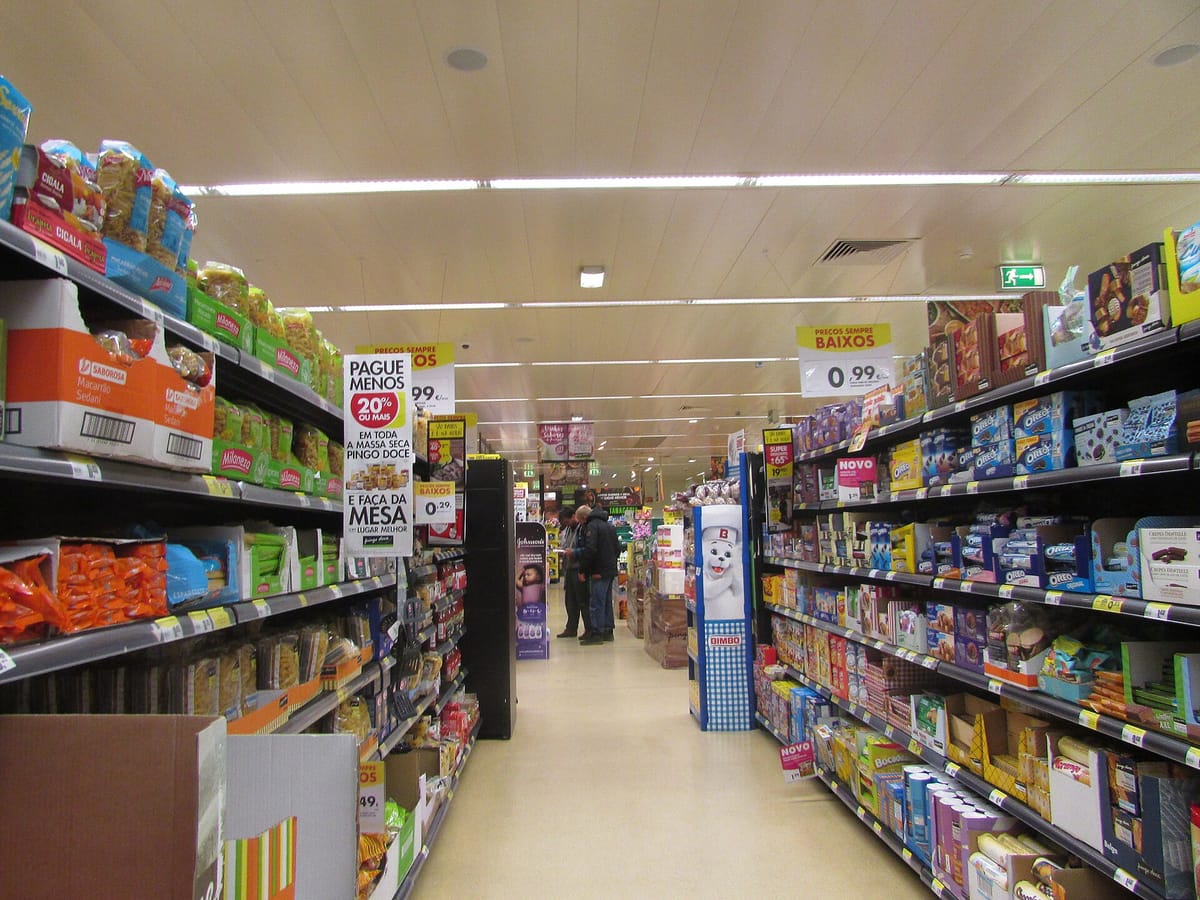
The European Commission has opened a formal antitrust investigation into Coca-Cola Europacific Partners (CCEP), the bottler that sells Coca-Cola brands in Portugal and seven other EU countries. Brussels suspects the company of using its dominant position to stop supermarkets from buying soft drinks wherever in the EU they are cheapest.
The case, numbered AT.40860, was announced on Monday. It covers the wholesale supply of carbonated soft drinks and sports drinks to "off-trade" customers: supermarkets and other shops that sell drinks to take away, as opposed to restaurants, hotels and cafés.
What the Commission suspects
CCEP is headquartered in the United Kingdom and sells in Belgium, France, Germany, Luxembourg, the Netherlands, Portugal, Spain and Sweden. The Commission says it is the largest supplier of carbonated soft drinks in all eight. It is investigating whether the company:
- made wholesale price reductions conditional on the drinks not being exported to other EU countries;
- sold differently sized packs in different countries in order to make cross-border trade harder;
- gave shops incentives to limit their imports of carbonated soft drinks into Spain;
- refused to let wholesale customers negotiate supplies for several countries at once, keeping separate national negotiations instead.
If proven, the Commission says, these practices could breach Article 102 of the Treaty on the Functioning of the European Union, which bans the abuse of a dominant position, by splitting the single market along national borders. The release makes no allegation specific to Portugal; Spain is the only country it singles out.
"People across Europe enjoy soft drinks every day. But they should not have to pay more simply because they live in one EU country rather than another," said Teresa Ribera, the Commission's Executive Vice-President in charge of competition. She warned that barriers between national markets could "ultimately mean higher prices and less choice for consumers".
Raids last year, no deadline now
The case began with unannounced inspections at CCEP's premises in several member states in March 2025. At the time the Commission did not name the company or the countries. It has not said whether any premises in Portugal were searched.
Opening a formal investigation does not prejudge its outcome, the Commission stresses, and there is no legal deadline to finish it; Brussels says it will treat the case as a priority. While it runs, national competition authorities, including Portugal's Autoridade da Concorrência (Competition Authority), lose their power to apply EU competition rules to the same practices.
In a statement, CCEP said it "take[s] competition law very seriously", would "continue to engage fully" with the Commission's inquiries and would not comment further at this stage.
The announcement also points to a separate Commission public consultation on territorial supply constraints, meaning limits that stop retailers from sourcing goods in another member state. Coca-Cola's drinks were last in the EU spotlight in October, when the company joined Nestlé Waters and Danone in agreeing to change recycling claims on plastic bottles after a dialogue with the Commission and national consumer authorities.
Sources: European Commission press releases IP/26/2530 (23 November 2026) and IP/25/737 (10 March 2025); Coca-Cola Europacific Partners' statement (23 November 2026).