
Quercus Nursed About 1,180 Wild Animals in Six Months, Mostly Chicks Fallen From the Nest, and Gives the Number to Call if You Find One Hurt
Birds made up more than 85 percent of admissions at the three recovery centres in Cadaval, Castelo Branco and the Alentejo coast. An electrocuted eagle was released in September.
The three wildlife recovery centres run by the conservation group Quercus took in about 1,180 wild animals in the first half of this year, the association said on Saturday. Birds made up more than 85 percent of them, and the commonest reason for an animal to arrive was the same in all three centres: a chick that had fallen from its nest, or a young animal found apparently orphaned.
Of the animals received, 1,055 arrived alive. They are given veterinary care and, wherever possible, released back into the wild.
Where they came in
- Montejunto, in Cadaval (Lisbon district): 484 animals. The species most often admitted were the mallard (56), the hedgehog (43) and the house martin (22).
- Castelo Branco: 380 animals, among them 60 common swifts, 44 house martins and 33 house sparrows.
- Santo André, on the Alentejo coast: 317 animals, led by the house sparrow (45), the Atlantic puffin (36) and the house martin (33).
June was the busiest month, with 509 admissions, which Quercus links to the breeding season of many species. Migratory birds are among the species the centres see most.
An eagle that should not have survived
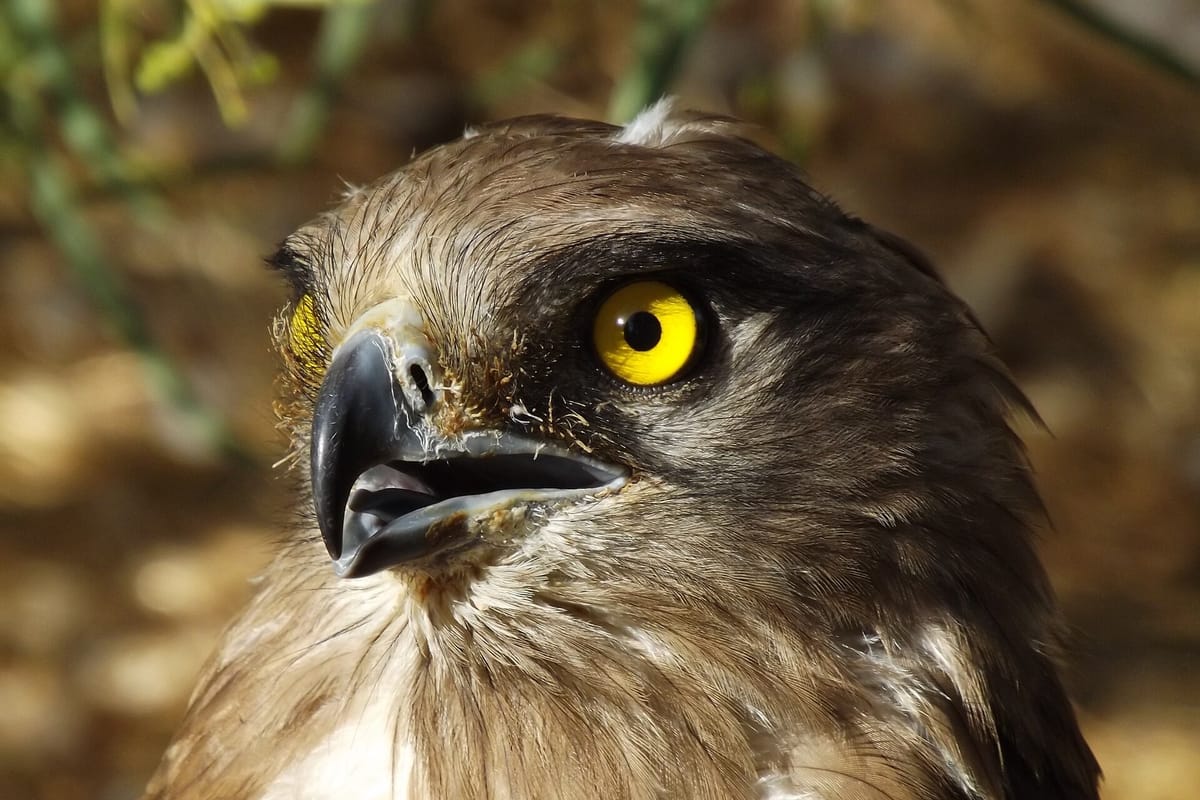
Quercus released the figures on World Migratory Bird Day, and used the occasion to tell the story of a short-toed eagle brought to the Castelo Branco centre after being electrocuted on a power line, one of the greatest dangers for large birds of prey. The examination found injuries consistent with electrocution, which, the association said, is normally "a death sentence".
Specialised veterinary care, assisted feeding and daily wound treatment, including with a laser, brought the bird back. "Most wild animals that are electrocuted do not survive. But against all odds, the tissue began to regenerate, the wound healed well and the bird regained its strength," Quercus said. The eagle, which migrates each year between Europe and Africa, was released on 11 September.
What to do if you find a wild animal
Quercus's advice is simple: do not pick up or feed a wild animal that seems injured, weak or orphaned without specialist guidance.
Instead, contact the authorities. The quickest way, Quercus says, is the SOS Ambiente e Território line run by the GNR: 808 200 520. Give the location and describe the animal and its condition.
The figures add to a busy season for Portugal's wildlife: the country's wild Iberian lynx population reached a record 394 in the latest count. For residents, the same rule of calling the authorities rather than acting alone applies to Asian hornet nests, which councils have now destroyed in all 18 mainland districts.


