Portuguese Cars Drove a Record 80.7 Billion Kilometres in 2025, and Every Extra Kilometre Came From Hybrids, Electrics and LPG
INE's first official road-traffic series shows diesel and petrol traffic falling in 2025 while hybrids and electrics grew 39.5 percent. Its summary puts the ten-year rise at 10.2 percent; its own table says 16.3.
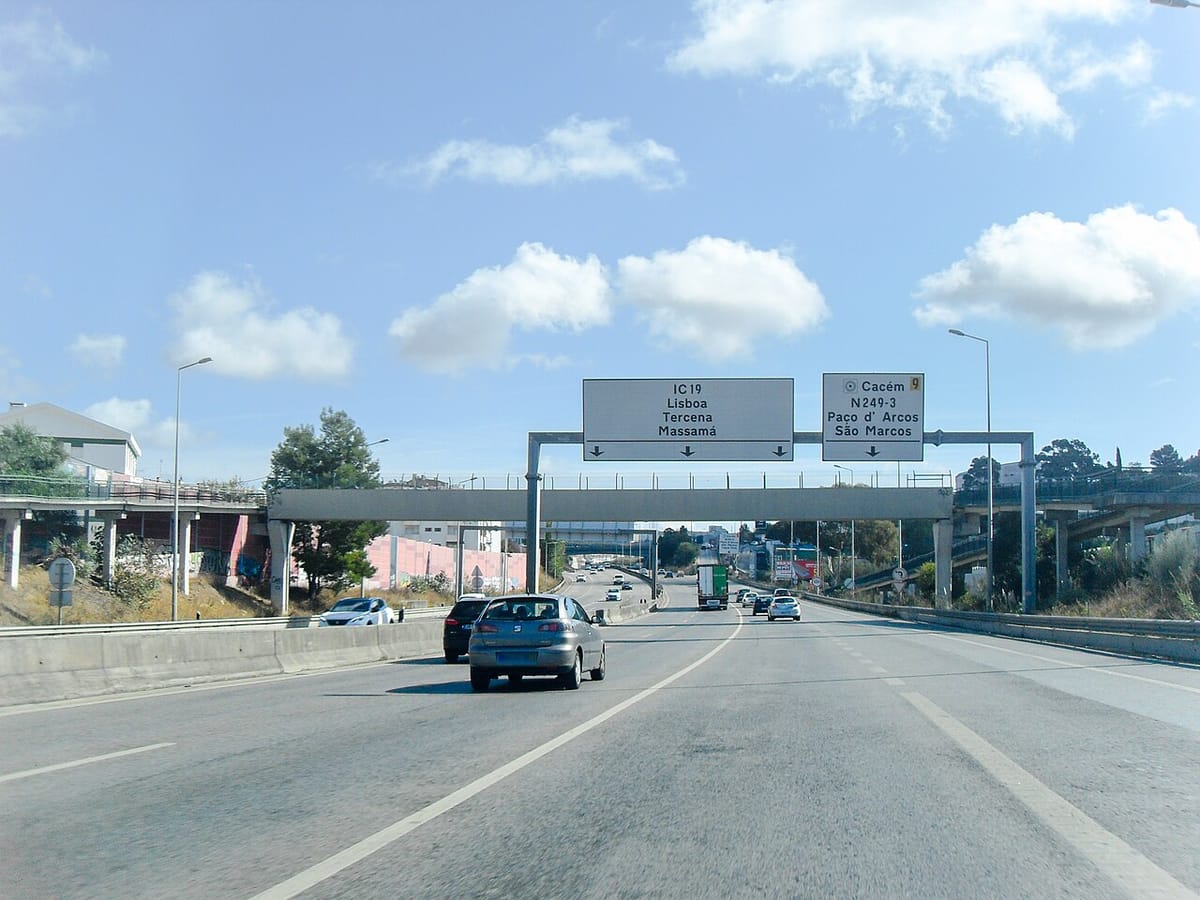
Portuguese-registered vehicles covered an estimated 80.7 billion vehicle-kilometres on the road in 2025, the highest figure since the series begins in 2015. That is a rise of 2.0 percent on 2024, according to figures published on Monday by the Instituto Nacional de Estatística (INE, the national statistics institute). The detail matters more than the record. Traffic from diesel and petrol vehicles fell last year. All of the growth, and more, came from hybrids, fully electric cars and vehicles running on liquefied petroleum gas (LPG).
This is the first time INE has published road-traffic estimates as regular official statistics. The series had previously appeared in StatsLab, its section for experimental statistics still in development. The estimates cover vehicles with Portuguese registration plates that are subject to periodic inspection, so foreign-registered cars, including tourists' and hire cars registered abroad, are not counted.
Where the extra 1.6 billion kilometres came from
INE's tables put total traffic at 79.1 billion vehicle-kilometres in 2024 and 80.7 billion in 2025, an increase of about 1.56 billion. Broken down by fuel, the year looks like this:
- Diesel: 56.7 billion vehicle-kilometres, down 0.7 percent. Diesel vehicles still account for 70.2 percent of all road traffic, down from 73.4 percent in 2015.
- Petrol: 16.3 billion, down 1.0 percent. Petrol is the only fuel whose traffic is lower than in 2015, by 7.6 percent. Its share has fallen from 25.3 percent to 20.1 percent.
- Hybrids, fully electric vehicles and other fuels: 6.6 billion, up 39.5 percent. Their share rose to 8.2 percent. In 2015 it was 0.3 percent.
- LPG: 1.2 billion, up 27.7 percent. That is 80.4 percent more than in 2015.
In round numbers, diesel and petrol vehicles together drove about 555 million fewer kilometres in 2025 than in 2024. The hybrid and electric group added about 1.86 billion and LPG about 255 million. The combustion fleet did not simply stop growing; it shrank, and the rest of the fleet made up the difference with room to spare.
Within the hybrid and electric group, fully electric vehicles are now the largest part, at 40.7 percent. They covered 2.7 billion vehicle-kilometres in 2025, up 55.2 percent in a single year. Non-plug-in hybrids covered 2.1 billion (up 29.2 percent) and plug-in hybrids 1.6 billion (up 34.4 percent). INE notes that in 2015, 80.7 percent of the group's traffic came from non-plug-in hybrids.
For scale: fully electric vehicles covered about 11.6 million vehicle-kilometres in 2015, according to INE's table. In 2025 the figure was around 230 times that. They still account for only about 3.3 percent of all traffic. Diesel's lead remains overwhelming: its traffic is still more than twenty times that of fully electric vehicles.
More cars, fewer vans
Light passenger vehicles, meaning ordinary cars, accounted for 75.2 percent of all vehicle-kilometres in 2025, up 0.7 percentage points on 2024 and 5.3 points on 2015. They covered 60.7 billion vehicle-kilometres, the first time the series has passed 60 billion, and 3.0 percent more than the year before.
Goods traffic tells a different story. Light goods vehicles (vans) covered 13.5 billion vehicle-kilometres, 2.6 percent less than in 2024 and 13.1 percent less than in 2015. Heavy goods vehicles fell 4.1 percent to 1.2 billion. Only articulated tractor units grew, by 4.6 percent to 4.0 billion, and they are a third higher than in 2015. Buses and coaches covered 686.5 million vehicle-kilometres, the highest in the series.
The pandemic dip, and a figure that does not add up
The series shows traffic rising until 2019, when it reached 73.7 billion vehicle-kilometres. It fell 11.0 percent in 2020 to 65.5 billion, the lowest point in the series, as pandemic restrictions kept people at home. Heavy passenger vehicles lost almost a third of their traffic that year. Since then growth has averaged 4.2 percent a year, with the largest jumps in 2022 (8.4 percent) and 2024 (6.3 percent).
INE's summary states that 2025 traffic was 10.2 percent higher than in 2015. Its own tables do not support that. The total for 2015 in the published spreadsheet is 69.4 billion vehicle-kilometres, and 80.7 billion is 16.3 percent above it. The body of the release is consistent with the tables: it says traffic in 2019 was 6.1 percent above 2015, which matches. The 10.2 percent figure appears only in the summary and the page abstract, and INE has not explained it. We report the ten-year change as 16.3 percent, from INE's own data.
The figures for 2015 to 2024 are final; those for 2025 are provisional. INE has scheduled the next release for 22 September 2027.
Why this series matters
Until now, Portugal's road-traffic picture has come from indirect sources: fuel sales, motorway counts and new registrations. Our report on the A1 at thirty-five, for example, drew on traffic counts for a single motorway. A national estimate of distance actually driven, by vehicle type and fuel, measures how the fleet is used rather than simply what is sold. That distinction matters because new-car sales can shift quickly while old cars keep running for years. In the first seven months of this year, electric cars were taking about a quarter of new registrations, yet they account for about one kilometre in thirty on the road.
What this means for you
- If you drive diesel, you are still in the large majority on Portuguese roads, but the direction is clear. Diesel traffic fell in 2025 for the first time since the pandemic, and fuel policy is moving too: the biodiesel ceiling in road diesel rises to ten percent on 1 October.
- If you are weighing an electric or hybrid car, the distance these vehicles cover is growing far faster than their share of the road suggests: fully electric vehicles added more than half again to their total in a single year.
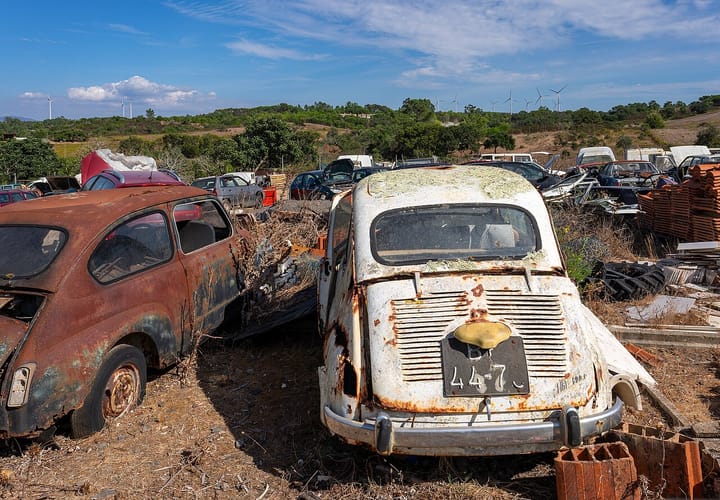
- If you are thinking of retiring an old car, our new guide to scrapping a car in Portugal explains the certificate of destruction, when the drop-off is free, and why the date you do it matters for road tax from 2027.
- If you use statistics for work, this is now an official INE series with a fixed annual release date, and its spreadsheet is more reliable than its headline summary.