Portugal Shifts VAT on Fuel to the Buyer to Choke Off Import Fraud, but Seguro Says the Rule Cannot Apply Until the EU Agrees
President Seguro has promulgated a law making business buyers, not sellers, pay the VAT on petrol and diesel down the supply chain, with a 3 million euro guarantee for fuel traders. He notes the fuel rule needs EU authorisation before it can apply.
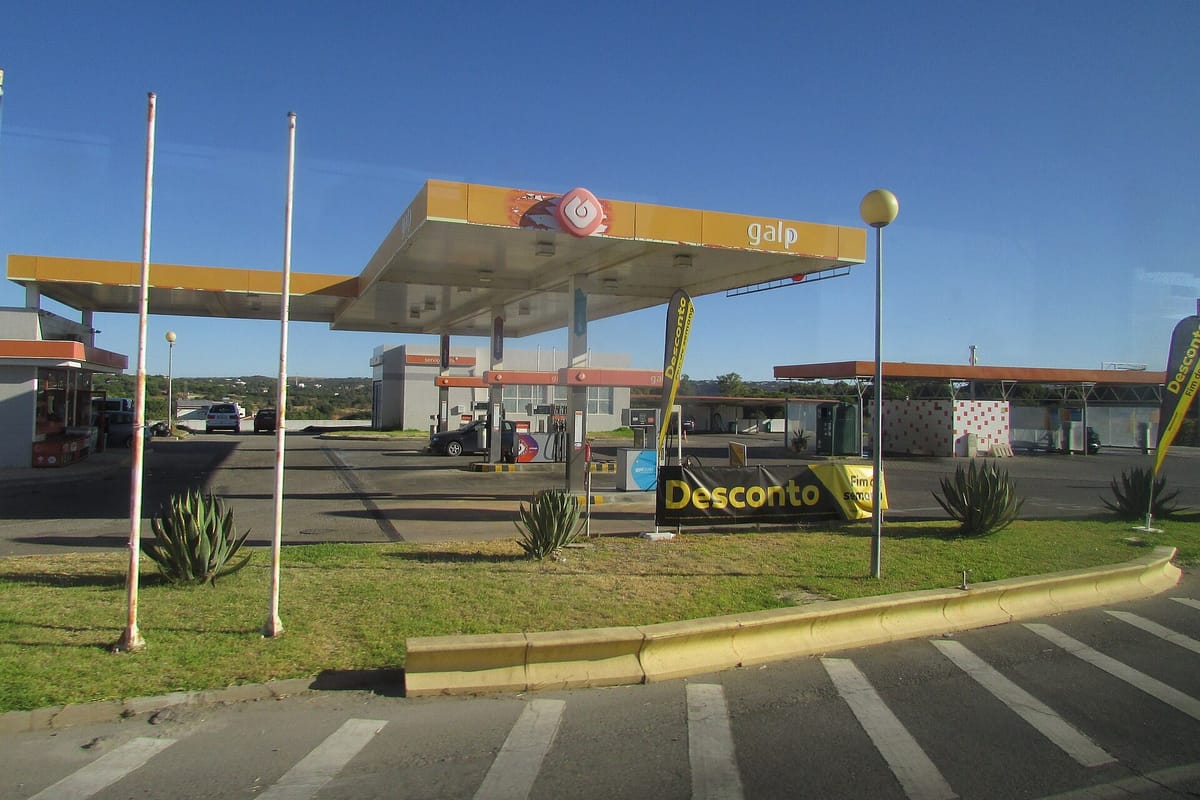
Fuel sold between businesses in Portugal will soon change hands without VAT on the invoice. President António José Seguro promulgated on Friday 30 October a law that makes the buyer, not the seller, pay the VAT on petrol, diesel and road fuel oil all the way down the supply chain. The aim is to stop importers charging VAT and never handing it to the State. But he noted that, under EU law, a special exception to the VAT rules of this kind cannot be applied until the European Union authorises it, and he signed on the Government's commitment to ask for that authorisation.
What the law changes
The decree comes from the Government's Proposta de Lei n.º 86/XVII (a government bill), which Parliament passed in all three votes on 9 October. PSD, Chega, IL, Livre, BE and JPP voted in favour; PS, PCP and CDS-PP abstained. The bill's text sets out:
- Reverse charge on fuel. Once fuel is released for consumption by a "registered consignee" (a company allowed to receive fuel with excise duty suspended), every later sale between businesses is invoiced without VAT, and the buyer accounts for it (autoliquidação, or self-assessment). The last trader, which sells to final customers, cannot deduct that VAT and stays under the existing special VAT regime for fuel resellers.
- Monthly returns. Fuel sellers lose the option of filing VAT quarterly; affected businesses move to monthly returns from 1 January 2027.
- Construction work. The existing reverse charge on building, repair and demolition work is widened to every VAT-registered business buying it, including those whose activity is VAT-exempt. Under the VAT Code the rule covers only buyers that are themselves taxable businesses, so a household hiring a builder is not affected.
- Fuel traders. Companies trading oil products need a bank guarantee of 3 million euros. Every road movement of fuel must be registered in advance on an electronic platform, and prices and volumes at each filling station reported through it to ENSE, the national energy sector agency. Breaches carry fines of up to 50,000 euros for individuals and 1,000,000 euros for companies.
The law takes effect the day after it appears in the Diário da República (the official gazette), which had not happened by Saturday. The VAT changes then apply from the following quarter.
The EU catch
The Presidency's note says it emerged during the legislative process that the Government may have skipped a step required by the EU VAT Directive (2006/112/EC). A member state wanting a special exception to the Directive, to simplify collection or prevent fraud, must send a reasoned request to the European Commission, and the EU Council must then agree unanimously. Under EU case law, he said, such a measure may be adopted first but not applied until authorised. He signed because the Government told Parliament it would file that request.
Why the Government wants it
When ministers approved the bill on 11 June, Observador reported that the fraud involves fuel imported from Spain and sold cheaply because the VAT owed was never paid. Minister António Leitão Amaro called the losses significant but gave no figure. For pump prices, see our latest fuel tax report.
What it means for you
- Drivers: the law sets no new tax rate on fuel; it changes how VAT is collected between businesses.
- Businesses that resell fuel: check the new invoice rules with your accountant and plan for monthly VAT returns.
- VAT-exempt businesses that buy building work: you may have to account for the VAT on builders' invoices yourself once the law applies. Our guide to VAT on renovation work explains how builders' invoices are corrected.