Portugal Has Finished Only About Two in Three of the New Homes It Licensed in Seven Years, Leaving Some 88,000 Still Off the Market
INE data show 247,600 homes licensed in seven years and 159,465 completed. Much of the gap is homes still being built, as licences have more than tripled since 2016, but builders also cite labour, financing and stalled projects.
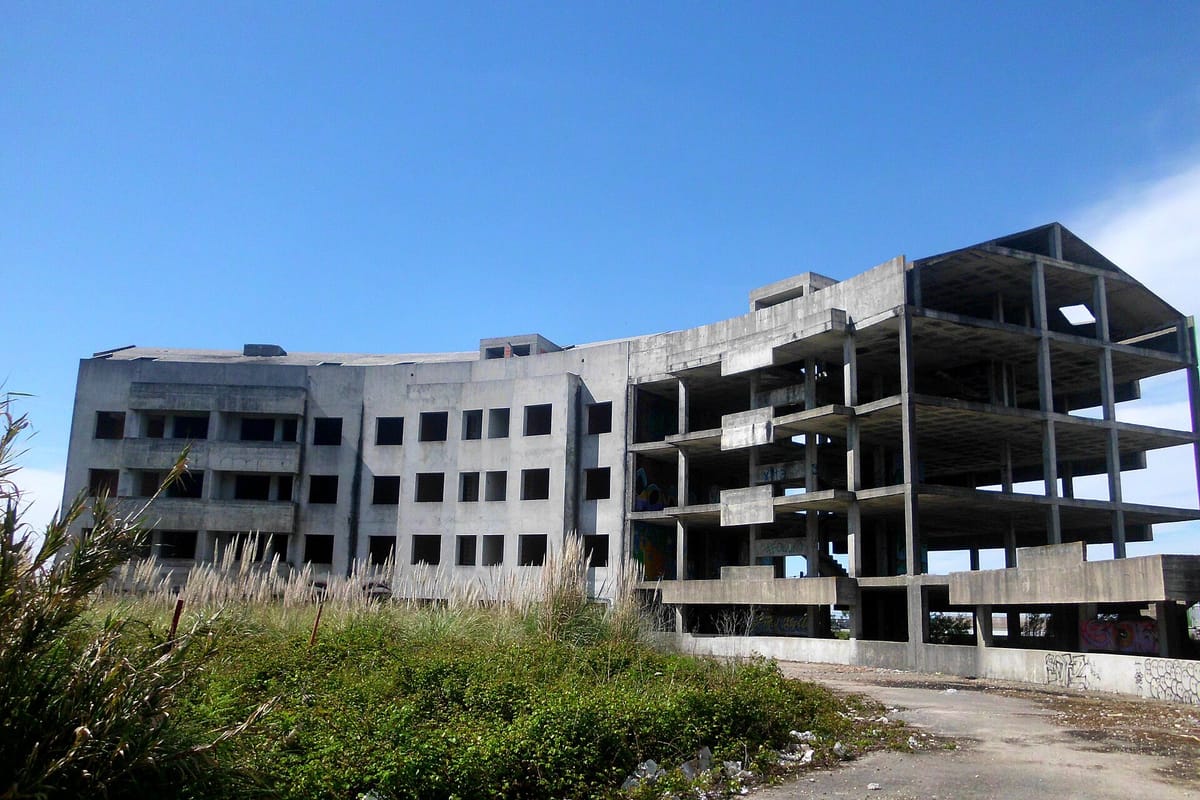
Portugal issued licences for 247,600 new homes in the last seven years, but only 159,465 have been completed, according to Instituto Nacional de Estatística (INE, the national statistics office) figures reported on Saturday by Jornal de Notícias and carried by RTP. That leaves about 88,000 homes that were approved but have not reached the market, at a time when house prices and rents are the main complaint of the protesters who marched in Lisbon and Porto the same day.
The gap is real, but it is not a count of abandoned buildings. A large part of it is simply homes still being built, and the figures need to be read with that in mind.
What INE's own series show
INE's annual series for new homes in new buildings for family housing, the core of new supply, show how fast licensing has grown and how completions trail behind it:
- Licensed: 11,817 homes in 2016, 21,896 in 2018 and 42,066 in 2025 (INE indicator 0008309). Licences have more than tripled in nine years.
- Completed: 8,213 homes in 2017, 12,954 in 2019, 19,926 in 2021, 21,047 in 2022 and 27,301 in 2025 (INE indicator 0013249).
In 2025 alone, the number of homes completed was about two thirds of the number licensed. Because a home licensed this year will typically be finished two or three years later, a sharp rise in licences opens a gap between the two columns even when every project goes ahead. INE's figures for the second quarter of 2026 showed the number of homes in newly licensed buildings still rising, so the pipeline is still filling.
Who is building
The 2025 figures split by who promotes the project:
- Private companies: 27,262 homes licensed and 17,425 completed;
- Private individuals: 14,591 licensed and 9,737 completed;
- Public bodies: 52 licensed and 53 completed.
This series counts only homes in newly built buildings. It leaves out flats created by refurbishing or converting existing buildings, and homes the State or councils buy, so it understates public housing work. Even so, it shows that almost all new-build supply depends on private developers and households.
Why homes stall
The heads of the two professional bodies for the sector told JN that the gap has several causes, according to RTP's account. Part of it is homes under construction. Other projects have struggled to find a builder or enough workers, some are waiting for financing, some are going through legalisation, and some investors may have given up altogether.
Avelino Oliveira, president of the Ordem dos Arquitetos (Order of Architects), said the numbers should be read "with caution". Fernando de Almeida Santos, president of the Ordem dos Engenheiros (Order of Engineers), said building needs to speed up, because "there is a housing emergency which, instead of being met, is growing".
The labour shortage is visible elsewhere too: one builder recently drew more than 600 applicants in São Tomé and Príncipe for 100 construction jobs in Portugal, and building costs for new homes are still rising by close to 7 percent a year. In April the developers' association APPII said some 59,000 pre-certified homes from the previous three years had never been built, blaming regulation and costs.
JN reports that a national platform for tracking building projects could help monitor the sector from next year.
What it means for residents
For anyone waiting for new supply to ease prices, the figures cut both ways. Many of the missing homes are on their way, and licensing has climbed steeply. But completions are growing more slowly than licences, and the Bank of Portugal put the shortfall built up over the past decade near 300,000 homes, even though 2025 was the first year in 11 when new supply outpaced demographic demand. Homes approved on paper do little for rents until they are finished and on the market.