More Than 600 People in São Tomé Apply for 100 Construction Jobs in Portugal: How Legal Hiring From Outside the EU Works Now
A Portuguese builder drew more than 600 applicants in São Tomé and Príncipe for 100 jobs paying over 1,000 euros, Lusa reported. How the fast-track work visa protocol and the 2025 and 2026 law changes work, and what rights hired workers have.
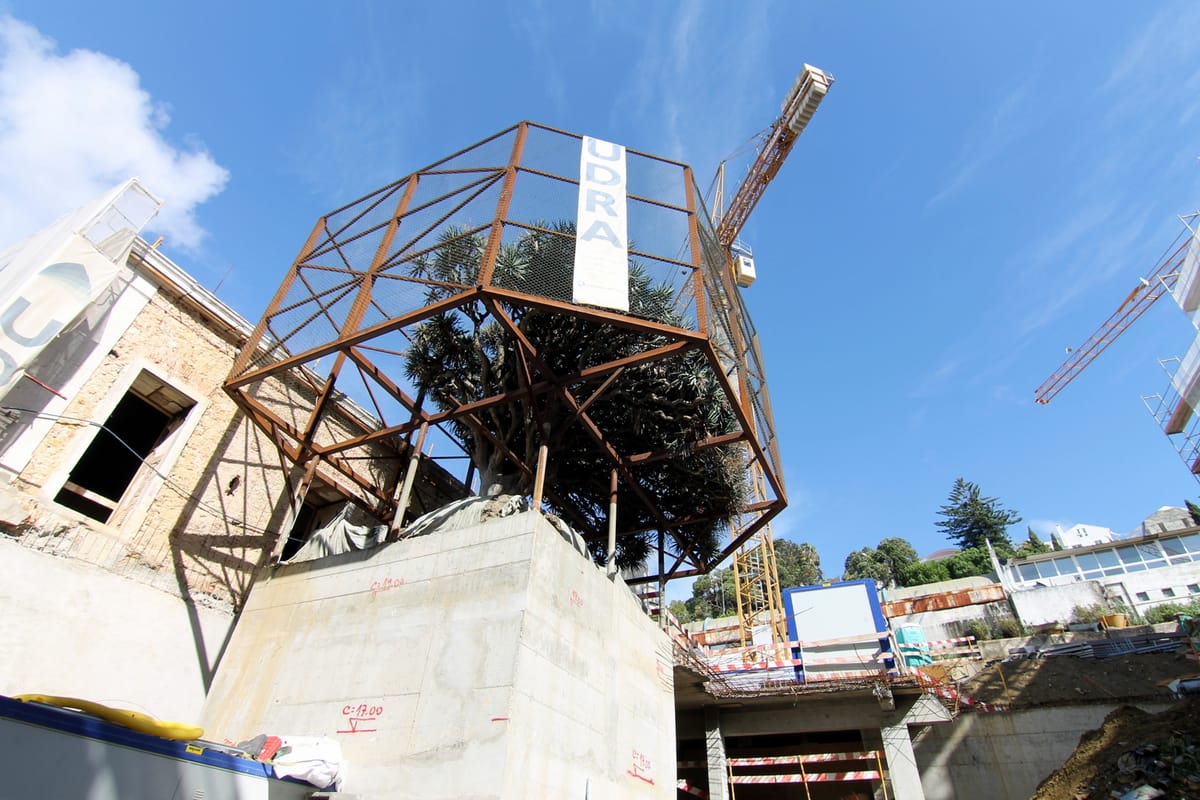
More than 600 people in São Tomé and Príncipe have applied for 100 construction jobs in Portugal, Lusa reported on Wednesday. The Portuguese building firm Cândido José Rodrigues (CJR) held interviews in the capital from 26 to 28 October, and its human resources director, Pedro Maia, told Lusa the posts pay more than 1,000 euros a month.
Maia said the hiring is part of a labour-migration project financed by the European Union through the Fundo para o Asilo, a Migração e a Integração (FAMI, the EU's Asylum, Migration and Integration Fund), initially for two years. He said the firm will help with legal paperwork, housing, food, training and air fares. CJR's notice of 23 October places the drive under FAMI 2030, for roles from bricklayers to engineering technicians, but names no project or budget, and we could not find one in published FAMI 2030 material.
The fast-track route for employers
Since April 2025 employers have had a regulated channel: the Protocolo de Cooperação para a Migração Laboral Regulada (Cooperation Protocol for Regulated Labour Migration). The Agência para a Integração, Migrações e Asilo (AIMA, the Agency for Integration, Migration and Asylum) says it creates no new visa and lowers no requirement; it speeds up the ordinary work visa for vetted employers. Five business confederations signed it, including the Confederação Portuguesa da Construção e do Imobiliário (CPCI, Portuguese Construction and Real Estate Confederation). Firms with 150 or more staff and turnover of at least 20 million euros can join directly; smaller ones go through a confederation.
AIMA checks the employer for tax or Social Security debts and exploitation or trafficking convictions. The employer commits to a valid contract under Portuguese law, training and Portuguese lessons, adequate housing that does not add to local housing pressure, and measures against exploitation. Once a sample file is cleared, consulates should hold interviews within 10 working days and decide within 20 working days. On 7 October the minister António Leitão Amaro told MPs that 12,000 visas had been granted from 21,600 requests, in 20 days on average, with 10 percent refused, Observador reported. Neither CJR nor Lusa says whether these hires will use it.
What the law now requires
The work visa, under article 59 of Lei n.º 23/2007 (the Foreigners Act), needs a job contract or a written promise of one. The manifestação de interesse (expression of interest), which let people arrive as visitors and regularise later, was abolished in June 2024; Lei n.º 61/2025 set 31 December 2025 as the final deadline for the last applications still allowed under its transitional rules. That law also narrowed the job-seeker visa to people with specialised technical skills and requires nationals of the CPLP (Community of Portuguese-Speaking Countries), São Tomé included, to hold a residence visa before applying for the CPLP residence permit. Lei n.º 62/2026, in force since 11 September, lets a worker with a residence permit for work change employer by notifying AIMA, and gives AIMA 90 days, extendable by 30, to decide residence applications.
What it means for workers
- Get the contract in writing before you travel. The Código do Trabalho (Labour Code) requires a written contract for any foreign worker, with a copy for the worker, stating pay, workplace and hours.
- A foreign worker authorised to work in Portugal has the same rights and duties as a Portuguese worker, including on pay and on site safety, where new construction safety commitments are on the way.
- Complaints about wages, hours or safety go to the Autoridade para as Condições do Trabalho (ACT, the Working Conditions Authority), which inspects workplaces.
More candidates were still waiting for interviews on Wednesday, Maia said; the firm has not said when the first workers will arrive.