Parliament Approves a Bigger IRS Deduction for the Third Child and Beyond, Phased In From 2027, and Ties the Child Guarantee to It
The CDS-PP measure raises the deduction for each child from the third, with half the increase in 2027 and all of it in 2028. What families deduct now, what the bill promised, and what changes for lower-income households.
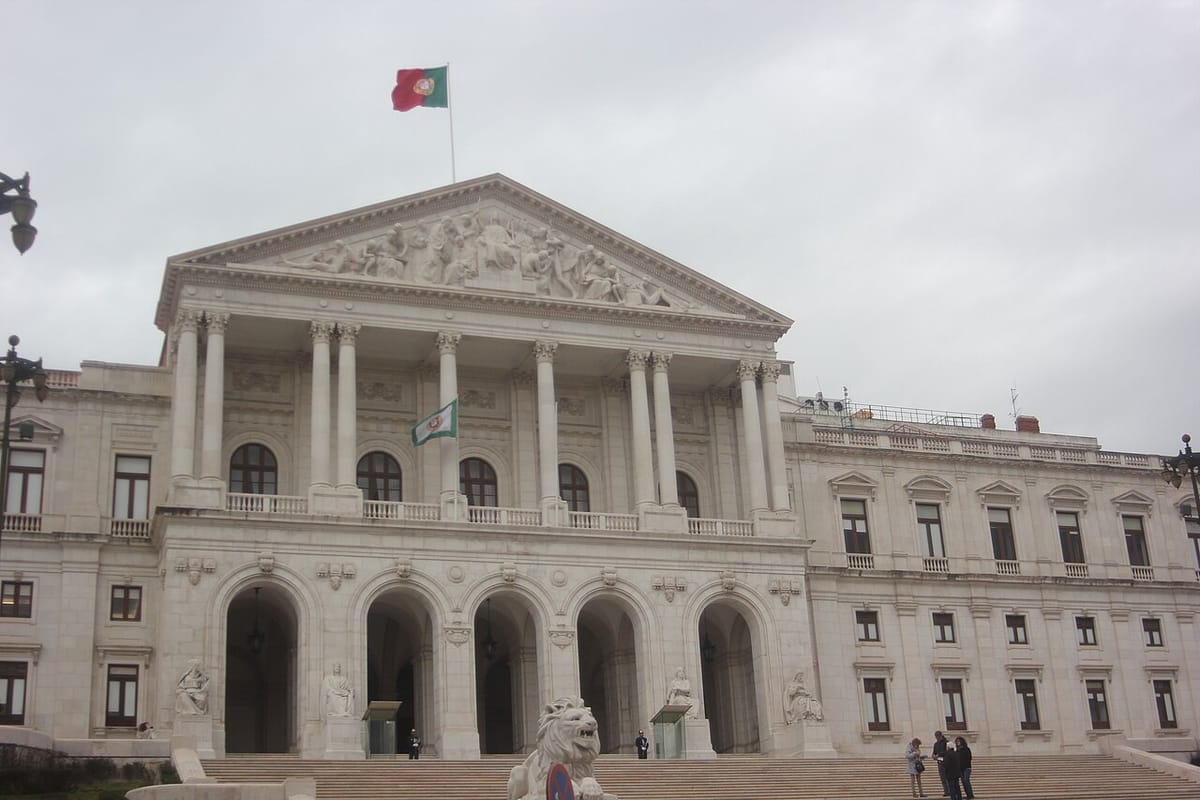
Parliament on Wednesday approved a larger income tax (IRS) deduction for families with three or more children. The measure, proposed by the CDS-PP (one of the two parties in the governing coalition), increases the deduction for the third child and each child after that. It will apply in full to income earned from 1 January 2028, with half the increase arriving a year earlier, from 1 January 2027, under a transitional rule, according to Lusa, as reported by ECO and Notícias ao Minuto.
The final text, drawn up by the Comissão de Orçamento, Finanças e Administração Pública (the budget and finance committee), passed with only the PCP and BE voting against and Livre abstaining.
What families deduct now
The deduction for children comes off the tax itself, not off taxable income. Under article 78.º-A of the IRS Code, as currently in force:
- each dependant gives a fixed deduction of 600 euros (300 euros for each parent where a child lives alternately with both under a shared-custody agreement);
- for the second and each later dependant aged six or under at the end of the tax year, a further 300 euros is added (150 euros per parent in shared residence);
- a child aged three or under who does not qualify for that second-child extra brings an extra 126 euros instead. The two extras cannot be combined.
The deduction is capped at the tax the household owes, so a family that pays little or no IRS gets little or no benefit from it.
What the CDS-PP proposed
When it presented the bill in June, the CDS-PP said it would keep the extra for the second child as it is and double the extra for the third child and each one after. Its parliamentary leader, Paulo Núncio, said families would be able to deduct 1,200 euros a year for each child from the third. In the first year, with half the increase, that would be 1,050 euros, according to Lusa, as reported by Observador. The party put the cost at about 20 million euros a year. We reported the proposal in June.
Those figures match the code: the 600 euro base plus an extra raised from 300 to 600 euros gives 1,200 euros, and plus 450 euros gives 1,050. Wednesday's reports describe the approved text as doubling the deductions from the third child, but the final wording has not yet been published. It is not yet clear whether the existing age limit of six on the extra stays. Families should treat the 1,050 and 1,200 euro figures as the bill's intention until the law appears in the Diário da República (the official gazette).
Lower-income families: the Child Guarantee complement
Parliament also approved a text from the PS (the Socialist Party) that strengthens the Garantia para a Infância (Child Guarantee). PSD and CDS-PP voted against it. The Child Guarantee complement is paid to lower-income families with children, for whom the IRS deduction is worth little because they pay little tax. According to Lusa, the approved text ensures that the complement keeps pace with the increases in the IRS deductions for dependants. That means larger families on low incomes should also see the higher amounts for a third or later child, not only those who pay enough tax to use the deduction.
What happens next
The texts now go to the President of the Republic, António José Seguro, who may sign them into law, veto them or send them to the Constitutional Court. The change is separate from the 2027 State Budget, which had its first-reading vote on Wednesday and faces its final vote on 24 November. On the same day, Lusa reported that the President had already signed a separate law cutting IRS rates for the first six income brackets.
For 2027 income, the first year of the transitional increase, the deduction would show up in the IRS return filed in spring 2028. The deductions apply to anyone taxed as a resident in Portugal, whatever their nationality.