José Sócrates Goes on Trial Again Today, This Time for Money Laundering, as the Main Operação Marquês Corruption Trial Runs On
The former prime minister and businessman Carlos Santos Silva face a money laundering case split off from Operação Marquês in 2021. Both deny any crime; Sócrates calls a second, parallel trial "the same absurdity". It is due to run to at least April 2027.
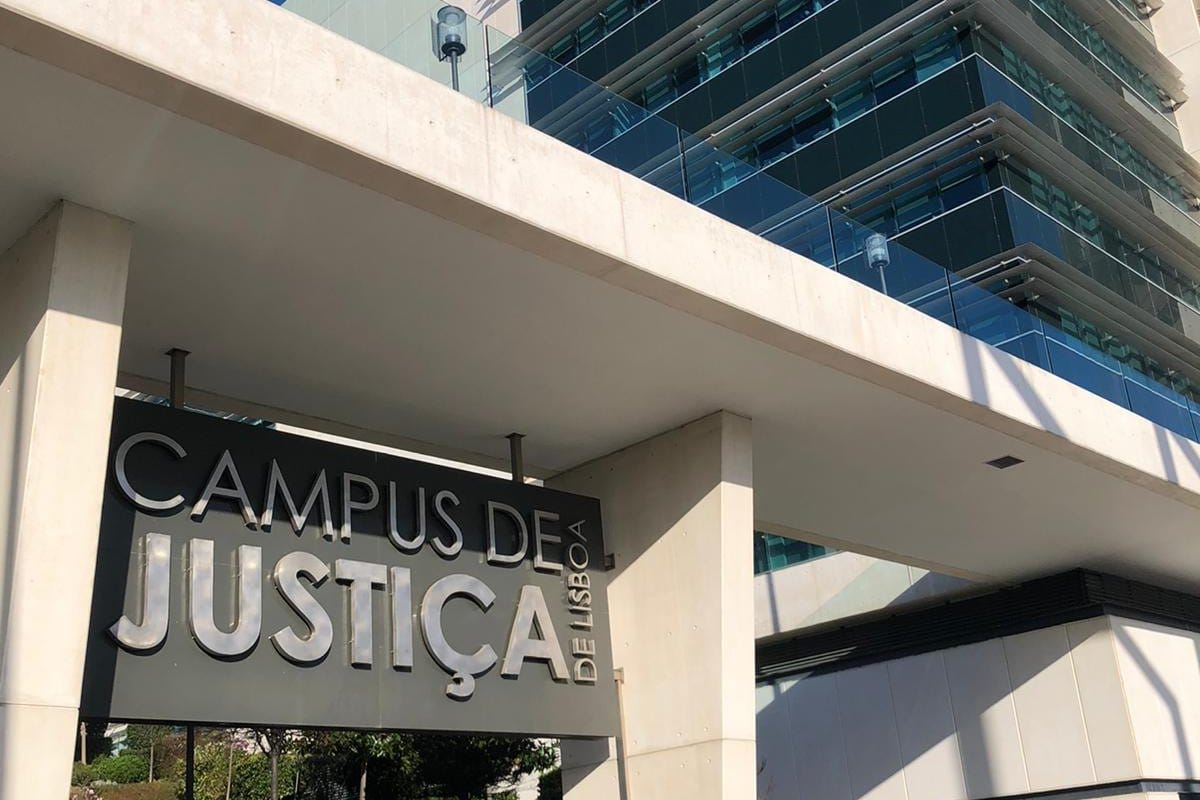
Former prime minister José Sócrates goes on trial in a second, parallel case in Lisbon today, Monday 19 October. He and the businessman Carlos Santos Silva face money laundering charges at the Tribunal Central Criminal de Lisboa (Central Criminal Court of Lisbon), in a smaller case split off from the long-running Operação Marquês investigation. Both men have denied any crime, and both are presumed innocent unless a court finds otherwise.
The charge, as reported by Lusa, concerns the period from 2011 to 2014. The prosecution alleges that bank accounts belonging to a company controlled by Santos Silva, to Santos Silva's wife and to Sócrates's driver were used to move money of illicit origin to the former prime minister. A forgery charge the two men originally faced in this case has since lapsed under the statute of limitations.
What Operação Marquês is
Operação Marquês is the corruption case against Sócrates and 20 other defendants. In its 2017 indictment, the Ministério Público (Public Prosecution Service) alleges that Sócrates, prime minister from 2005 to 2011, was bribed to favour the Lena construction group, Grupo Espírito Santo and the Vale do Lobo luxury resort in the Algarve. It says Santos Silva acted as one of his frontmen, holding money on his behalf. Today's case was split off from the main one by the 2021 instrução decision, the pre-trial stage in which a judge decides what goes to trial.
The main trial, on the corruption charges themselves, has been running in Lisbon since 3 July 2025, with 21 defendants including Sócrates and Santos Silva. It is still hearing witnesses: in September, a former finance minister testified that appointing Armando Vara to the state bank CGD was his own decision, contradicting the prosecution's account.
Sócrates calls it "the same absurdity"
In a statement sent to Lusa on Sunday night and published by RTP, Sócrates argued that a court weighing money laundering will have to examine the alleged corruption behind it, which is already being tried elsewhere. "No one should be obliged to defend themselves simultaneously before two different courts on overlapping facts," he wrote, citing doubled costs and repeated evidence. He said his defence had always opposed splitting the cases and that the prosecution itself accepts both trials will consider the same facts and evidence.
What happens next
The new case will be heard by a panel of three judges (Rúben Vieira, Armandina Silva Lopes and Helena Leitão), who, according to the Conselho Superior da Magistratura (the judges' governing council), are not dedicated to this trial alone. It is expected to run until at least April 2027, alongside the main trial. The prosecution alleges that the laundered money came from the corruption being tried in the main case, so how the two courts handle that overlap, the point at the heart of Sócrates's complaint, is likely to be argued from the opening sessions.
For readers following Portugal's courts, this is one of several big economic crime cases in progress at once, alongside the BES trial over the collapse of the Espírito Santo group and the Manuel Pinho case, in which the Supreme Court cut the former minister's sentence last week. Their length reflects wider strain on the system: more than 27,700 cases had waited over four years in the lower courts by the end of 2024, and the prosecutors' union says the service is short of more than 200 prosecutors. We will report on the trial as it develops.