A Former Finance Minister Testified on Thursday That Putting Armando Vara on the CGD Board Was His Own Decision, Not Sócrates's
Fernando Teixeira dos Santos told the Operação Marquês trial the choice was his alone. His immediate predecessor testified in November that Sócrates had insisted on Vara from the start, and the prosecution built a corruption count on that appointment.
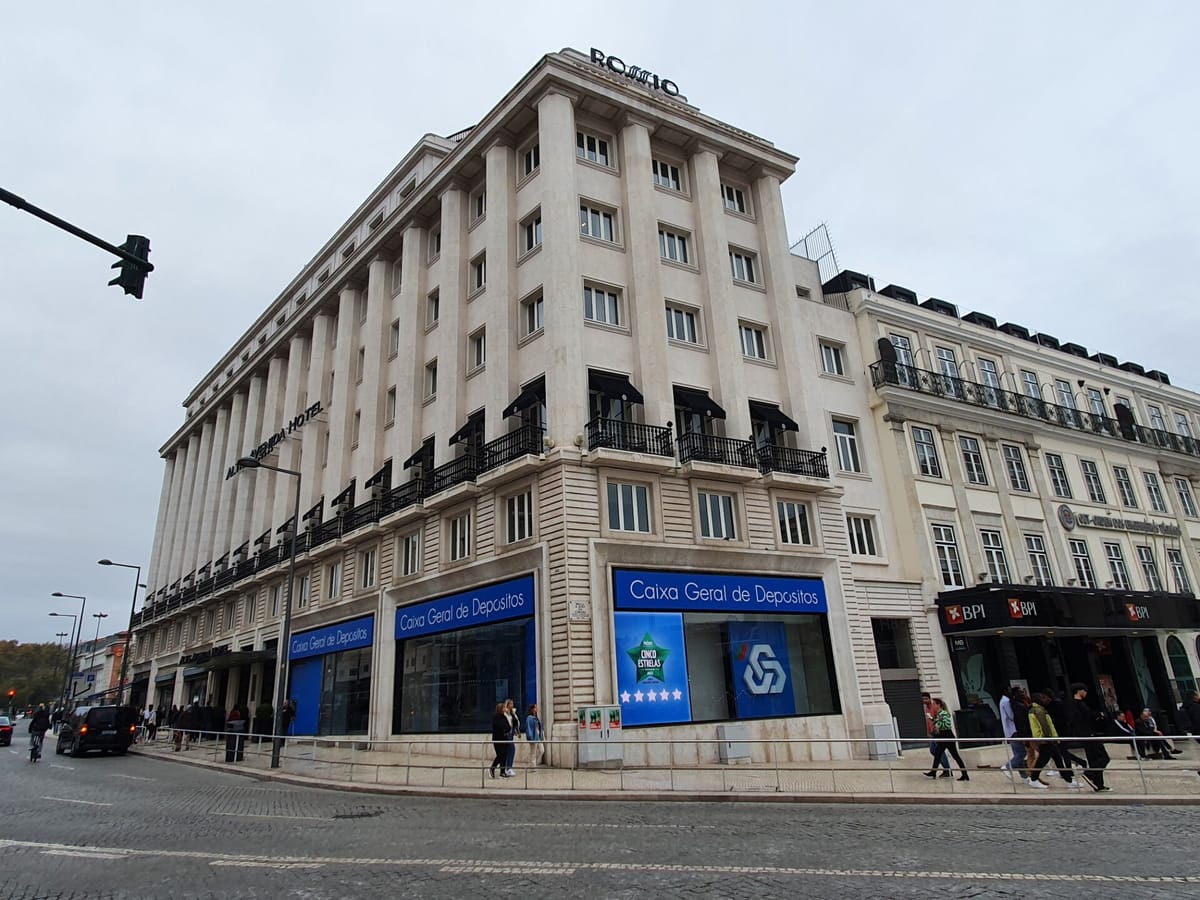
One of José Sócrates's finance ministers told the Operação Marquês trial on Thursday that putting Armando Vara on the board of Caixa Geral de Depósitos was his own decision, not the prime minister's. "The choice was mine, and I communicated it," Fernando Teixeira dos Santos testified at the Tribunal Central Criminal de Lisboa (Central Criminal Court of Lisbon), referring to what he told Sócrates.
That single sentence cuts against both the prosecution's case and the testimony of the man Teixeira dos Santos replaced. He took over the finance portfolio in July 2005 from Luís Campos e Cunha, in a Sócrates government that ran from March 2005 to June 2011.
Why the appointment carries so much weight
The Ministério Público (Public Prosecution Service) alleges in its 2017 indictment that Sócrates and Vara, appointed to the CGD board at the end of 2005, were bribed a combined two million euros by two investors in the Algarve resort of Vale do Lobo, in order to benefit the development. An appointment made on a prime minister's insistence, for a man who then sat on the board of the state-owned bank, is the sort of link a corruption charge is built on. An appointment made by a finance minister on ordinary competence grounds is not.
In November 2025, testifying at the same trial, Campos e Cunha told the court that Sócrates had insisted "from the start" that Vara be named to the bank's board, specifically as vice-chair, with Carlos Santos Ferreira as chair. Prosecutors put the obvious question to Teixeira dos Santos on Thursday: was it an "enormous coincidence" that he had independently landed on the same person his predecessor said the prime minister had pushed for? He answered that he did not know.
His account of his own reasoning was institutional rather than political. The board was changed, he said, because CGD was publicly and internally "very weakened", and Vara was picked on merit. "For me, what mattered was having someone who was from the Caixa, who was well regarded in the work he was doing," he told the court, referring to Vara's existing management role at the bank.
What the court now has to weigh
Two former finance ministers have now given the court incompatible accounts of the same appointment, and neither is a defendant. Judges will not be asked to decide which man is lying so much as which recollection, twenty years on, better fits the documents and the sequence of events. Testimony that removes a prime minister's hand from an appointment is useful to the defence; testimony from the immediate predecessor that puts it back is useful to the prosecution.
Sócrates, 69 and at the time the Socialist Party's secretary-general, faces three counts of corruption among other charges, over money he is alleged to have taken to benefit the Lena group, Grupo Espírito Santo and Vale do Lobo. Vara, 72, is one of 21 defendants who have broadly denied the 117 economic and financial crimes set out in the case. The alleged offences span 2005 to 2014.
The trial has been running since 3 July 2025 and has already consumed a great deal of court time on questions that are not about the evidence at all. Earlier this month a Lisbon court refused to remove the court-appointed lawyer Sócrates never chose, after he had sought to nullify every act that lawyer had performed. Thursday was a reminder that underneath the procedural fight there is still a set of factual questions about who appointed whom, and why, and that the answers are arriving one witness at a time.