Portugal Is Short of More Than 200 Prosecutors, Their Union Tells President Seguro, Asking for a Special Training Course
The SMMP warns of a "functional rupture" in the Ministério Público, made worse by coming retirements, and wants a dedicated course at the Centre for Judicial Studies to fill the gap.
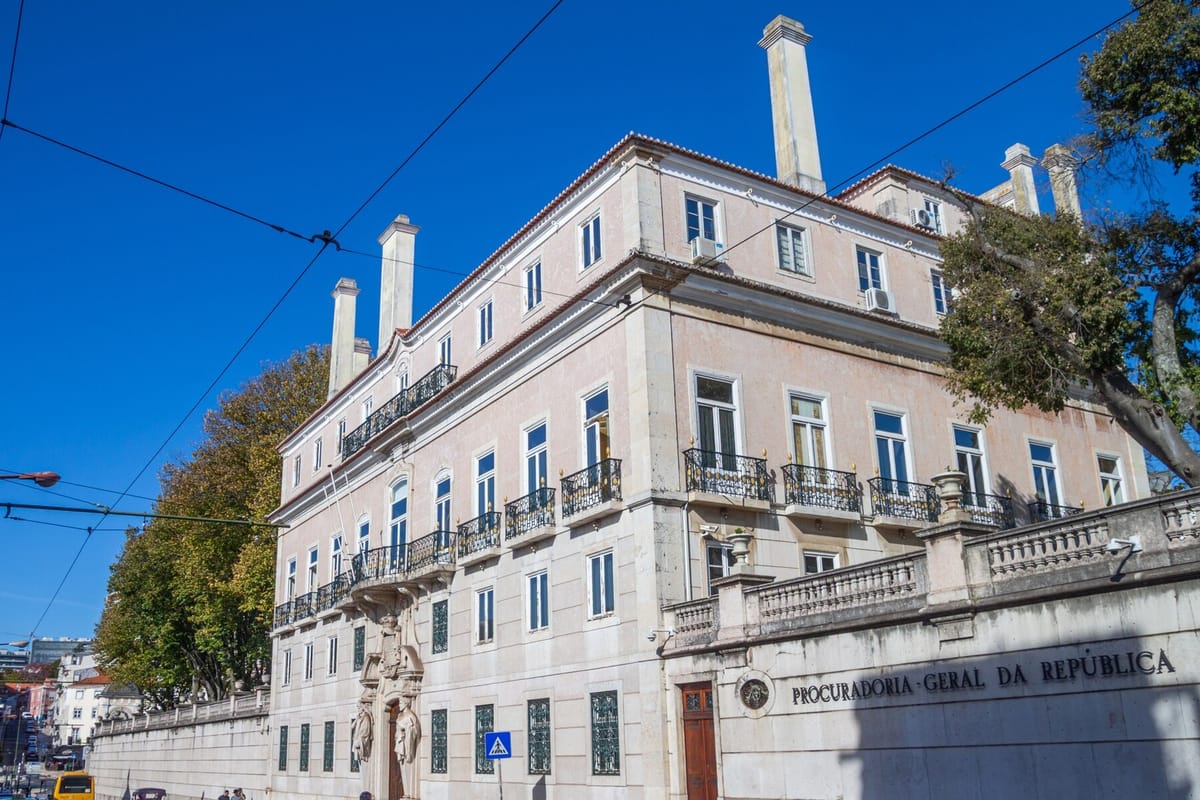
Portugal's public prosecution service is short of more than 200 prosecutors, and the union that represents them has asked President António José Seguro to back an emergency fix: a special training course at the Centre for Judicial Studies (CEJ) reserved for the Ministério Público.
The Sindicato dos Magistrados do Ministério Público (SMMP) met the President on Monday afternoon. In a statement issued afterwards, carried by the Lusa news agency, the union said it had warned Seguro of what it calls a "functional rupture" in the service, one that could deepen as a wave of retirements arrives over the next few years.
What the union is asking for
Paulo Lona, the SMMP's president, asked for the head of state's support in creating a dedicated CEJ course to strengthen the service's ranks "as a response to the growing difficulties of the judicial system". The CEJ is the body that trains every judge and prosecutor in Portugal, and a course of this kind would sit outside the normal annual intake.
According to the union, the shortage of prosecutors undermines the service's ability to respond and slows down justice, at a time of heavy caseloads and too few resources in the courts' districts (the comarcas). It presented the special course as necessary "to recover the capacity to respond and ensure that services run normally", and argued that the lack of staff puts at risk the constitutional duties the Ministério Público is meant to carry out.
The President has no direct power over the CEJ or prosecutors' staffing, which depend on the government and on the Ministério Público itself. Appeals to the President are a way of raising the political cost of inaction, and the timing matters: parliament is now debating the 2027 State Budget, which sets the money available for new magistrates.
Why it has become a flashpoint
The shortage has already reshaped how prosecutors work. In the last two annual rounds of placements, the Prosecutor-General, Amadeu Guerra, decided that a single prosecutor could be assigned to several different areas of work at once. The SMMP described that move as the "last nail in the coffin" of specialisation, the idea that prosecutors build expertise in one field such as economic crime, family law or labour cases.
The union opposed the decision from the start and tried to stop it in the courts. It was also behind strikes by prosecutors in 2025 and 2026.
What it means for residents
For anyone who files a complaint, is a victim of crime, or has a case in the family or labour courts, the Ministério Público is often the first and longest point of contact. The prosecution service runs criminal investigations, but it also represents children and workers in many proceedings and defends the State's interests in administrative cases. Fewer prosecutors stretched across more areas usually means longer waits for decisions, from the opening of an inquiry to the filing of charges or the closing of a case.
The prosecution service is already under scrutiny for the length of its biggest cases. The Banco Espírito Santo trial, for example, is only expected to finish its sessions by July 2027, and prosecutors closed a third corruption case against Manuel Pinho in September.
No public response from the President's office or the Ministry of Justice to the union's request had been reported by Tuesday morning.