Fake AI Nudes Push Portuguese Pupils to Switch Schools — and the Penal Code Treats It as Child Pornography
Portuguese teenagers are using AI apps to fabricate nude images of classmates from ordinary Instagram photos. Police and APAV say it is a crime carrying up to three years in prison — and some victims are switching schools to escape the fallout.
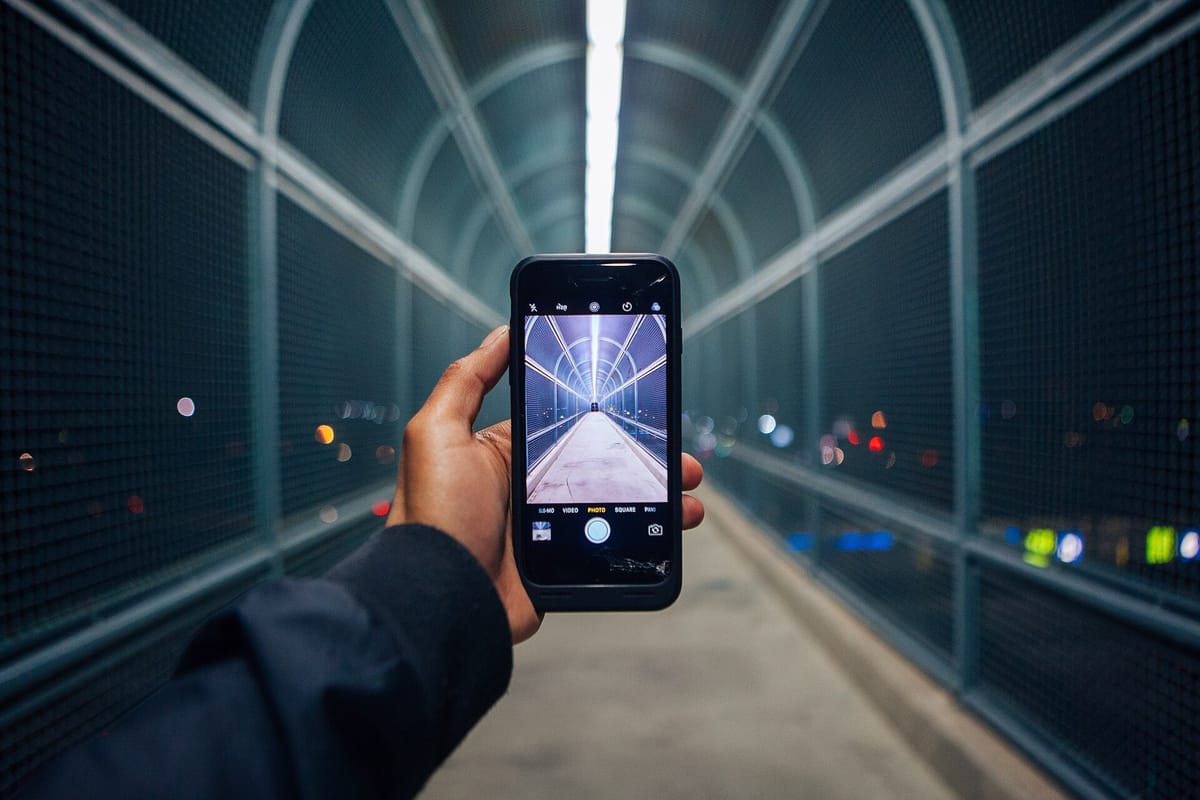
A new form of abuse is spreading through Portuguese schools, and many of the children behind it appear not to grasp that they are committing a crime. Using free "nudification" apps, teenagers take ordinary photographs of classmates lifted from social media and generate fake nude images in seconds. The Polícia Judiciária (Judicial Police), the GNR and the victim-support association APAV all report a rising stream of cases, and warn that what pupils treat as a prank is prosecuted as one of the gravest offences in Portuguese law.
Investigators say the perpetrators are typically between 12 and 16 years old, that the first documented cases in Portugal date from 2024, and that more than nine in ten victims are girls. The source material is rarely intimate: it is usually an innocent holiday or party photo taken from Instagram, run through an app, and then shared. From there the images travel fast — through WhatsApp groups and Instagram chats, mutating into memes and GIFs that linger on phones long after the original post is deleted.
A joke in the classroom, a serious crime in the code
Under the Portuguese Penal Code, producing or sharing sexualised images of anyone under 18 — even when the body is synthetic and only the face is real — falls under pornografia de menores (child pornography). The base offence carries up to three years in prison. Because the manipulated images are still built on a real, identifiable child, prosecutors can also stack related charges: violation of privacy, defamation, coercion, threats and, where images are used to extort further material, blackmail.
Age changes the process, not the seriousness. Offenders under 16 are not sent to adult courts but referred to the family and juvenile courts under the Lei Tutelar Educativa (Educational Guardianship Law), which imposes re-education measures rather than prison. From 16, a minor can be formally treated as a suspect, and convictions have already been recorded. The GNR runs its Escola Segura (Safe School) programme in classrooms to explain exactly this — that a screenshot forwarded "for a laugh" can open a criminal file.
The damage outlasts the image
APAV, which operates the national Linha Internet Segura (Safe Internet Line), describes victims trapped in a sense of round-the-clock persecution. Even knowing the images are fabricated offers little relief, because the face is unmistakably theirs and the humiliation is public. Support workers report sleep problems, eating disorders, falling grades and a distorted relationship with their own bodies. In the most severe cases, families see no option but to move their child to a different school to escape the bullying — a striking measure that says more about the harm than any statistic.
What This Means for Expat Families
- It is not a grey area. If your child creates or forwards one of these images, Portuguese law treats it as child pornography, regardless of intent or the "everyone was doing it" defence.
- Report early. Preserve evidence (screenshots, group names, dates) and contact the school and the authorities. The Linha Internet Segura is reachable on 800 219 090 or [email protected]; the SOS Criança line is 116 111.
- Talk about the phone, not just the apps. Portugal has already extended its school mobile-phone ban up to the ninth year, but most of this activity happens off campus, in private chats.
- Lock down public photos. The raw material comes from open profiles. Setting your teenager's accounts to private removes the easiest supply line.
Portugal is not alone in confronting AI-enabled image abuse, and the tools that make it possible are only getting cheaper. What the current wave exposes is a gap between the technology in every child's pocket and their understanding of the line it can cross. Closing that gap — at home as much as in the education system — is now the harder half of the problem. On the Portuguese children-and-digital-life tape, our read on the EU Kids Online 2025 report for Portugal, where 52 percent of nine to seventeen year olds met online hate speech last year and 85 percent have already used generative AI sets the latest reference. On the Portuguese cybercrime and identity-fraud tape, our read on the two opinions telling parliament that Portugal needs a digital identity theft crime and that the bill written to create one repeats itself, overlaps four existing offences and skips a paragraph sets the latest reference.