The Cabinet Clears a Rolling Teacher-Hiring Contest and Extends the School Phone Ban to Ninth Grade
The Council of Ministers has approved a 'continuous' teacher-recruitment model to fill classroom vacancies faster from 2026/2027, and extended the school smartphone ban to grades seven to nine. Secondary school will now start on 21 September.
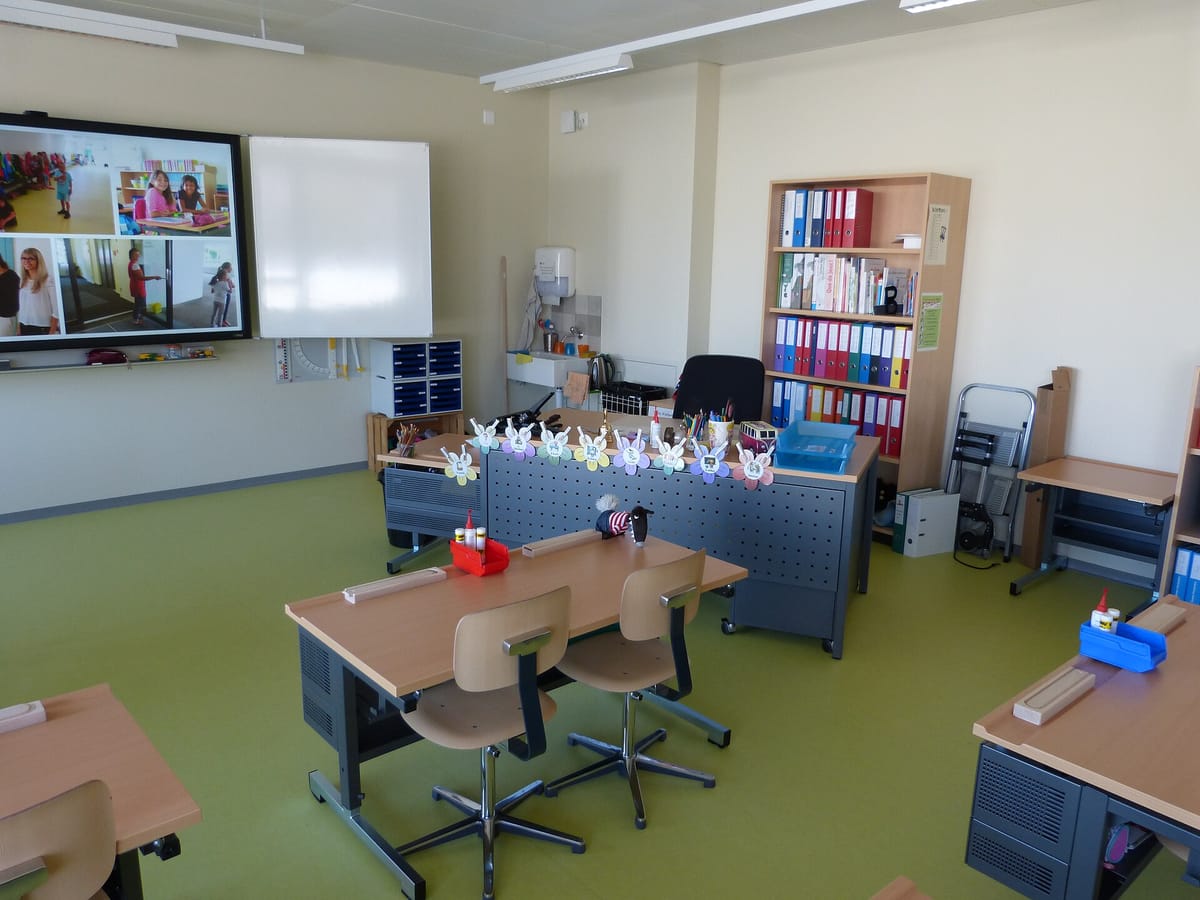
Portugal is rewriting the way it puts teachers in front of classes, and tightening the rules on what pupils can carry into them. The Conselho de Ministros (Council of Ministers) has cleared a new "continuous" recruitment and placement model for teachers, alongside an extension of the school smartphone ban to the third cycle of basic education — grades seven, eight and nine. Both changes are set to shape the school year that begins this autumn.
The recruitment overhaul is the more far-reaching. For years, teachers have been placed through a rigid, calendar-bound national contest that can leave vacancies unfilled for weeks after term starts, stranding schools without staff in key subjects. The new model, part of a revised Estatuto da Carreira Docente (Teaching Career Statute), is meant to run on a rolling basis, allowing schools to fill gaps faster rather than waiting for the next scheduled round. The Education Minister, Fernando Alexandre, has framed it as a way to get teachers into classrooms more quickly and to reduce the disruption that late placements cause.
The change takes effect in the 2026/2027 school year, and its success will be judged on a simple test: whether classes start September with teachers already in place. Chronic shortages in subjects such as mathematics, the sciences and in schools far from the big cities have been among the most visible failings of the old system, and a faster, more flexible contest is intended to attack exactly those pinch points.
The smartphone measure widens a restriction that until now applied only up to the end of primary schooling. Extending it to the third cycle brings pupils aged roughly twelve to fifteen under the same ban, keeping phones out of the school day for a considerably older cohort. The policy follows a broader European move to limit screens in classrooms, on the argument that constant connectivity harms concentration, sleep and the social life of the playground — and that schools are better off as phone-free spaces.
The government is also adjusting the calendar itself. The start of the secondary-school year has been pushed to 21 September, easing the pressure on teachers already stretched by problems in the first phase of national exams, and officials are weighing a similar delay for the third cycle. The staggered start is a pragmatic acknowledgement that the workforce needs breathing room after a fraught exam season, even as the recruitment reform tries to make sure that workforce is fully staffed when term does begin.
Taken together, the measures point to a government trying to steady a school system buffeted by staffing gaps and exam-season strain. The recruitment reform addresses the supply of teachers; the phone ban and the shifted calendar address the conditions they and their pupils work in. Parents and educators will not know until the autumn whether the rolling contest delivers the faster placements it promises, or whether the extended phone ban proves any easier to enforce among teenagers than earlier restrictions were among younger children. For now, Portugal has set the terms of the coming school year — and made clear it wants both fuller staffrooms and quieter classrooms. On the Portuguese school-staffing file, our count of the 2,650 timetables left unfilled as the 2026/27 school year opened, against 558 retirements in September and 20 million euros of overtime carries the current figures.