Dead Fish Fill the Corgo at Vila Real, and the Environment Agency Points to a Wastewater Discharge
The environment agency APA is investigating a fish kill in the River Corgo at Vila Real, which it provisionally blames on an abnormal wastewater discharge through the storm drains during last weekend's rain. Samples are with the lab; the cause is not yet confirmed.
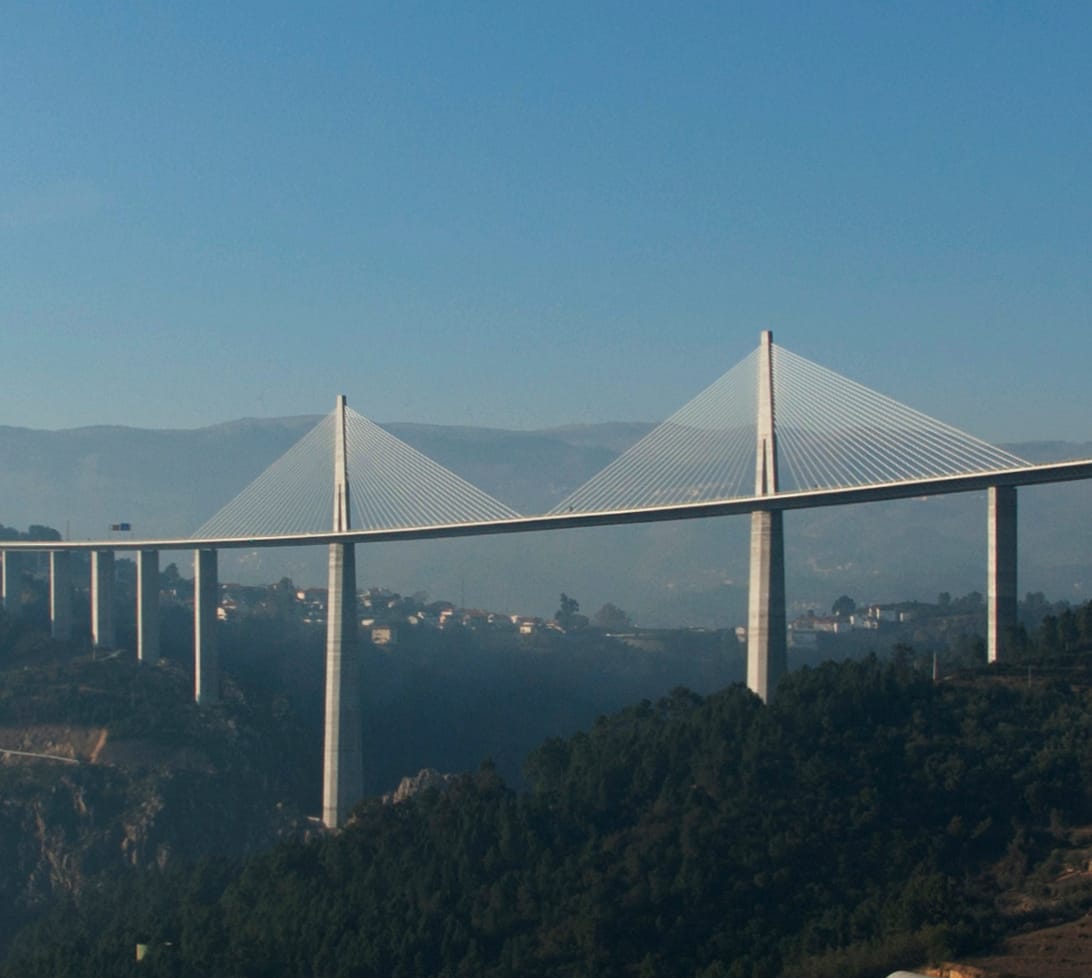
A stretch of the River Corgo as it runs through the northern city of Vila Real has been left strewn with dead fish, and the country's environment agency believes a discharge of wastewater is the likely cause. The Agência Portuguesa do Ambiente (APA) said this week that it is investigating the die-off, which it attributes — provisionally — to an abnormal release of águas residuais of still-undetermined origin.
The Corgo is a tributary of the Douro that threads through the heart of Vila Real, in the Trás-os-Montes interior. According to APA's preliminary assessment, the pollution appears to have entered the river through the stormwater drainage network, and is being treated as an isolated event rather than a chronic problem. The agency dates the incident to around 15–16 August, a period of thunderstorms and rain in the region, and points to two aggravating conditions typical of late summer: high temperatures and the reduced flow that leaves a river with less water to dilute whatever reaches it.
How the alarm was raised
The first alert came on 16 August through the SOS Ambiente e Território line run by the GNR's environmental branch, the SEPNA. The situation worsened on Monday 17 August, when residents reported dead fish and an anomalous odour along the water, concentrated in the stretch between the bridge near the city's Ciência Viva science centre and the downstream weir, or açude. APA says it is working with the SEPNA on the investigation, while the Câmara Municipal de Vila Real arranged for samples to be collected and contacted the operators whose networks feed that part of the river.
Water samples and specimens of the dead fish have been sent for laboratory analysis, both to pin down the substance responsible and to gauge the ecological damage. Until those results return, the cause remains a working hypothesis rather than a confirmed finding — the agency has described a probable route and a probable trigger, not a proven one.
A summer of strained rivers
The episode fits a wider picture of Portuguese watercourses under pressure this summer. Low flows and heat are a bad combination for river health: they concentrate pollutants, starve the water of oxygen and make any accidental discharge more lethal to fish than the same volume would be in winter. Only days earlier, with rainfall at record lows, the authorities began releasing water from the Caldeirão dam to keep the River Mondego flowing after the driest July of the century. The Corgo die-off is a smaller, sharper version of the same vulnerability.
It is also a reminder of how localised pollution incidents are handled. The chain that caught this one — a citizen alert to the SEPNA line, sampling by the municipality, and an APA investigation — is the standard machinery for environmental emergencies, and the same rapid-response pattern seen when an ammonia leak disrupted a fishing festival at Leixões earlier this summer. Residents who notice pollution, dead fish or unusual odours in a river can report it directly to SOS Ambiente e Território.
For Vila Real, the immediate concern is the clean-up and the laboratory verdict; for the Corgo, the hope is that the damage proves as contained as APA's early reading suggests. We will update this article if the agency confirms the source. On the environmental licensing file, our report on the APA and ICNF restructuring reaching the Council of Ministers, with environmental impact assessment decisions moving to the centre and river basin directorates replacing the regional hydrographic administrations sets the latest reference.