Portugal Taps the Caldeirão Dam to Keep the Mondego Flowing After the Driest July of the Century
The environment agency APA will release extra water from the Caldeirão dam this week to sustain the River Mondego and protect the public water supply, after July 2026 delivered just 0.8mm of rain — the driest July of the century on the Portuguese mainland.
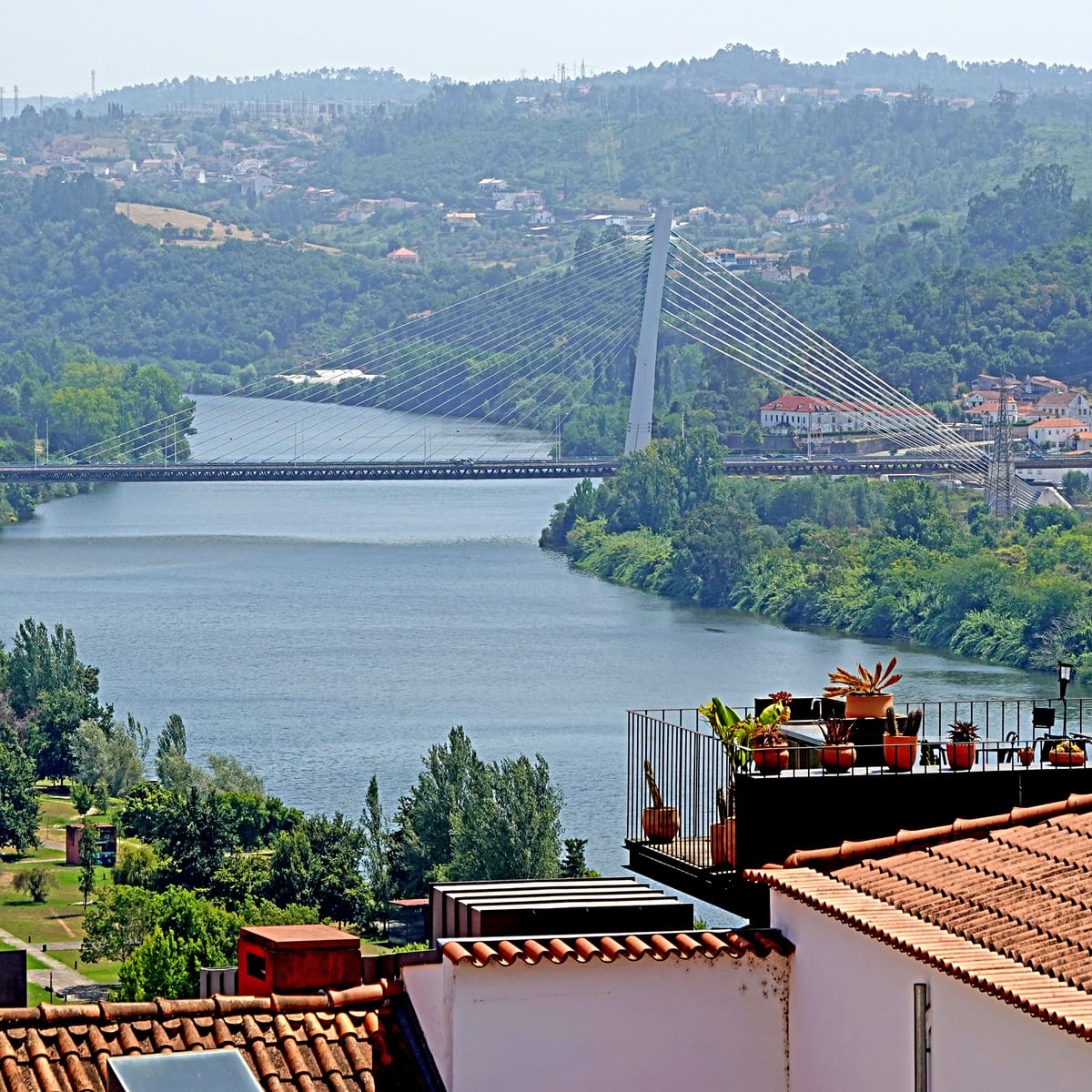
Portugal is beginning to actively manage its rivers to get through a punishing summer. The Agência Portuguesa do Ambiente (APA), the national environment agency, will make controlled releases from the Caldeirão dam this week, freeing an extra five cubic metres of water per second to keep the River Mondego flowing — a deliberate intervention aimed above all at protecting the public water supply that depends on the river's central-Portugal basin.
The move is a direct response to a remarkable run of dry weather. July 2026 was the driest July of the century on the Portuguese mainland and the eighth driest since records began in 1931, with average rainfall of just 0.8 millimetres — under 8% of the normal figure for the month. That near-total absence of rain, stacked on top of repeated heatwaves, has drained the reserves that would ordinarily top up rivers and small reservoirs through the hottest weeks, leaving parts of the Mondego running low enough to worry the authorities that manage it.
Low water is not just a question of quantity. In sluggish, poorly circulating stretches and in shallow reservoirs, the combination of heat and stagnation encourages eutrophication — the runaway growth of algae that can foul water, starve it of oxygen and complicate its treatment for drinking. By pushing more water through the system from Caldeirão, APA is trying to keep the Mondego moving and dilute those effects, buying time and protecting the abstraction points that supply homes and farms downstream.
The releases come after mainland Portugal formally slipped into meteorological drought earlier this month, a classification that reflects accumulated rainfall deficits rather than any single dry spell. Some municipalities have already felt the strain: Almada, on the south bank of the Tagus, has run a water-supply alert through August with overnight cuts, a reminder that even a country with generally well-stocked reservoirs can hit local pinch points when the rain simply does not come.
Context matters here, and it cuts both ways. Portugal entered the summer with national reservoir storage in good shape overall, and the Algarve's big dams in particular have been comfortably full — so this is not a repeat of the acute, region-wide shortages of recent drought years. What the Mondego intervention shows instead is how quickly a single exceptional month can force hands-on management of a specific basin, and how the margin of comfort narrows when heat and drought arrive together.
For residents, the practical takeaway is modest but real. No broad restrictions have been announced for most of the country, and taps are not about to run dry. But the Caldeirão releases are a visible sign that the authorities are now steering water where it is needed, and a nudge to treat this resource with the care a hotter, more erratic climate increasingly demands — especially as the fire season and the irrigation season compete for the same scarce supply.