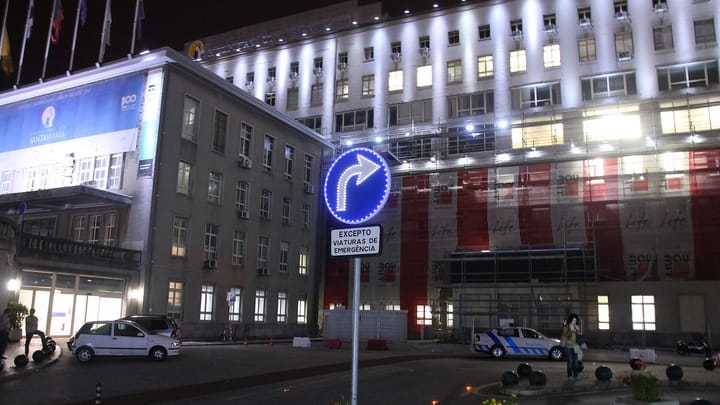
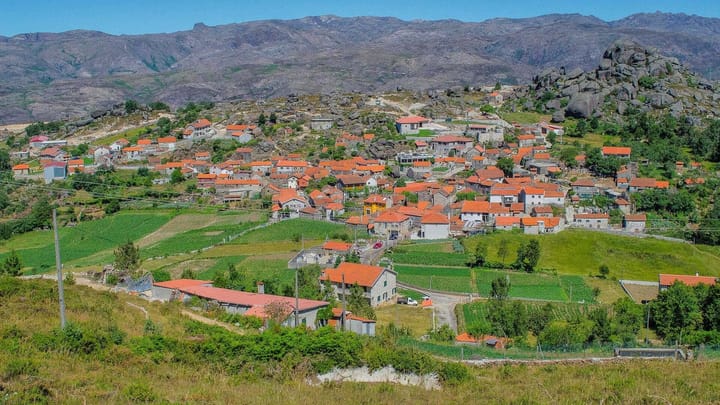
Cascais's Landmark Miragem Hotel Moves to Cut About 175 Jobs Before a Two-Year Refit
The union at the five-star Hotel Cascais Miragem says management is moving to dismiss about 175 workers before a two-year, EUR 80 million renovation by its new Spanish owners. It calls the collective dismissal unlawful and has complained to the labour inspectorate.
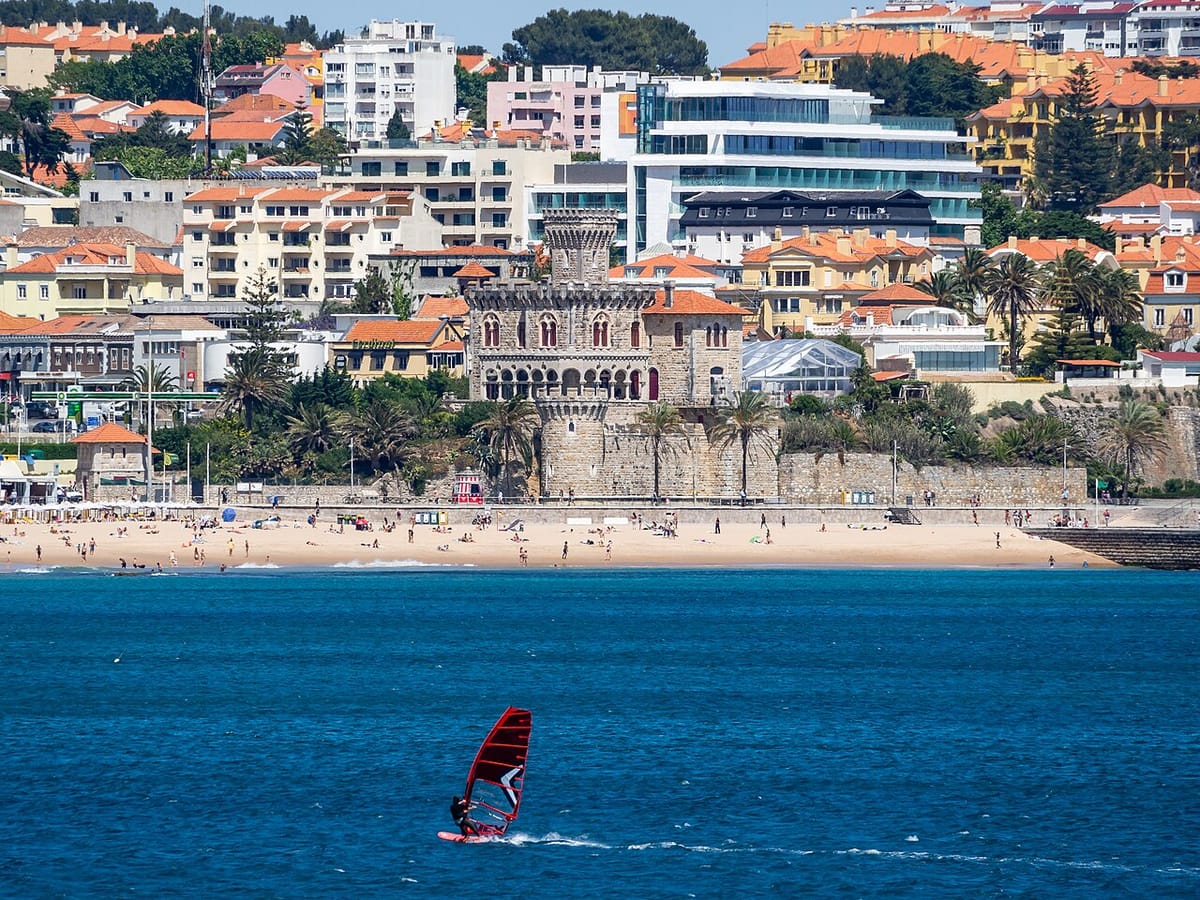
One of the Lisbon coast's landmark five-star hotels is heading for a painful stretch. The management of the Hotel Cascais Miragem, the cliff-top property overlooking the bay between Cascais and Estoril, has moved to make a collective dismissal of its workforce ahead of a long renovation — a step the hotel union announced on Tuesday, 18 August, and one it is fighting hard.
According to the Sindicato dos Trabalhadores na Indústria de Hotelaria, Turismo, Restaurantes e Similares do Sul, the plan would affect more than 140 permanent staff plus around 35 workers on fixed-term contracts — close to 175 jobs in all, which the union rounds up to "near 200." The hotel's general director, José Branco, has confirmed that a despedimento coletivo is under way, tied to the remodelling works.
New owners, a big refit, and a two-year closure
The cuts follow a change of hands. The Miragem was bought in 2025 by the Spanish group Ibervalles, together with ARD Investment & Development, in a deal worth about €125 million. The new owners plan a renovation costed at roughly €80 million and expected to last at least 24 months, after which the hotel is due to reopen. It is the refit, and the extended closure it requires, that management gives as the reason for letting staff go now.
For the workers, that timeline is precisely the problem. A closure with a reopening date is, the union argues, exactly the kind of temporary interruption that Portuguese labour law expects an employer to bridge rather than resolve through permanent redundancies. The union has called the move "profoundly unjust and socially unacceptable," contends that it does not meet the requirements the Labour Code sets for a collective dismissal, and has filed a complaint with the Autoridade para as Condições do Trabalho (ACT), the labour inspectorate, while asking the Ministry of Labour to step in.
A test of the collective-dismissal rules
Collective dismissals in Portugal follow a defined process — a written justification, an information-and-consultation phase with workers' representatives, and set compensation — and they can be challenged if the legal grounds are thin. The mechanics of that regime, and where the bar for employers sits, were at the centre of the Trabalho XXI labour-reform bill that reached parliament earlier this year. The Miragem case is likely to turn on whether a two-year renovation counts as the sort of lasting change that justifies ending contracts, or a pause that does not.
The dispute also cuts against the grain of an otherwise buoyant sector. Portuguese tourism has been drawing record money — hotels attracted more investment in the first half of 2026 than in all of 2025 — even as some operators grow cautious, with one in four Algarve hoteliers bracing for a softer summer. The Miragem shows the flip side of that investment wave: capital pours in to upgrade trophy assets, and the people who staffed them are the first to feel the disruption.
What happens next rests with the ACT's assessment and any negotiation between the union and management. For now, the hotel says the refit will go ahead and that it intends to reopen once the work is done; the workers say the way it is being handled breaks the rules.