One in Four Algarve Hoteliers Brace for a Softer Summer Than 2025, Exposing the Region's Reliance on British Visitors
Roughly a quarter of Algarve hoteliers expected the 2026 season to fall short of 2025 on occupancy and length of stay, according to the Hotel Association of Portugal. Occupancy is still solid, but the cooling mood highlights the region's heavy dependence on British visitors — around 57% of non-resid
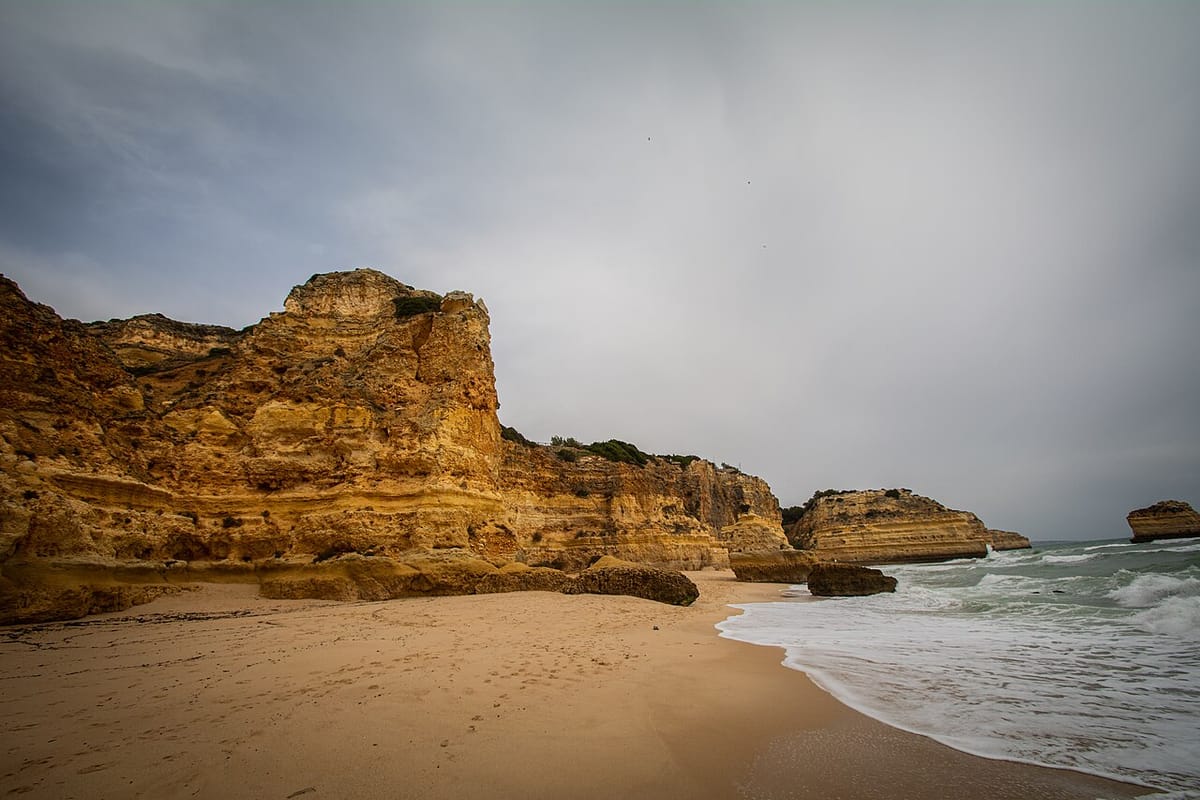
The Algarve is still the undisputed engine of Portuguese tourism — but this summer the engine is running a little rougher than the record-breaking years that preceded it. Roughly one in four hoteliers expected the 2026 season to come in below 2025 on both occupancy and average length of stay, according to survey work by the Associação da Hotelaria de Portugal (Hotel Association of Portugal, or AHP). In the association's words, the sector's overall expectations point to "a decline compared with the summer of 2025."
That is a notable shift in tone for a region that spent the post-pandemic years setting revenue records. It is not a collapse — occupancy in the Algarve still ran around 80% during the June holiday mini-breaks, and hotels remain busy. But the mood has cooled from booming to merely solid, and the reasons say a lot about the structural risks under the Portuguese tourism model.
The British problem
The Algarve's single biggest vulnerability is its dependence on a handful of foreign markets, and above all on the United Kingdom. Industry data shows the region's top three external markets together account for well over half of all nights booked by non-residents — around 57% — with British visitors the dominant bloc. When surveyed on their most important source markets, Algarve hoteliers still named the UK and the United States among their top three, alongside a resilient domestic market that a large majority now count on.
Concentration like that cuts both ways. In good years, a strong pound and cheap flights fill the resorts. In leaner ones — a weaker sterling, softer British consumer spending, competition from Spain, Greece and Turkey — the same dependence turns into exposure. That is why Algarve tourism bodies have spent the past year openly hunting for alternatives to the British market, courting North American, Nordic and other European travellers to spread the risk.
A champion that is plateauing
The wider signal is that Portugal's tourism "champion" may be hitting a ceiling. After years of double-digit growth, the numbers are flattening, and the Algarve's chronic weaknesses — heavy seasonality squeezed into the summer months, over-reliance on sun-and-sand, and thin margins once you strip out the peak weeks — are back in focus. A season that merely matches 2025, or dips slightly, is not a crisis. But it is a reminder that the extraordinary tourism boom of recent years was never guaranteed to continue indefinitely.
What This Means for Expats
- Rental yields: If you let a property to holidaymakers in the Algarve, a softer, more price-sensitive season means occupancy and nightly rates may not stretch as far as in the boom years. Diversifying beyond the July–August peak matters more than ever.
- Prices and crowds: A cooler summer can mean marginally more availability and less frantic pricing on flights, restaurants and short-term stays — welcome news if you live there year-round.
- The bigger economy: Tourism is a huge share of Portugal's output and jobs, especially in the south. A plateau in the Algarve is worth watching for anyone whose income, directly or indirectly, tracks the visitor economy — from the heat that shapes each season to the high-profile arrivals, like the Saudi Crown Prince's week in Madeira, that dominate the headlines.
The Algarve is not losing its crown. But the comfortable assumption that each summer will beat the last is being quietly retired — and the region's over-dependence on British holidaymakers is the fault line to watch.