A New University for Bragança and an Elected Head for Every State School: Montenegro Spends His Entire Summer-School Speech on Education
Closing the 22nd PSD summer university at Castelo de Vide, the prime minister announced a Universidade de Bragança e do Norte Interior, a general election for school directors, and conceded that this year's digital exam marking did not go well.
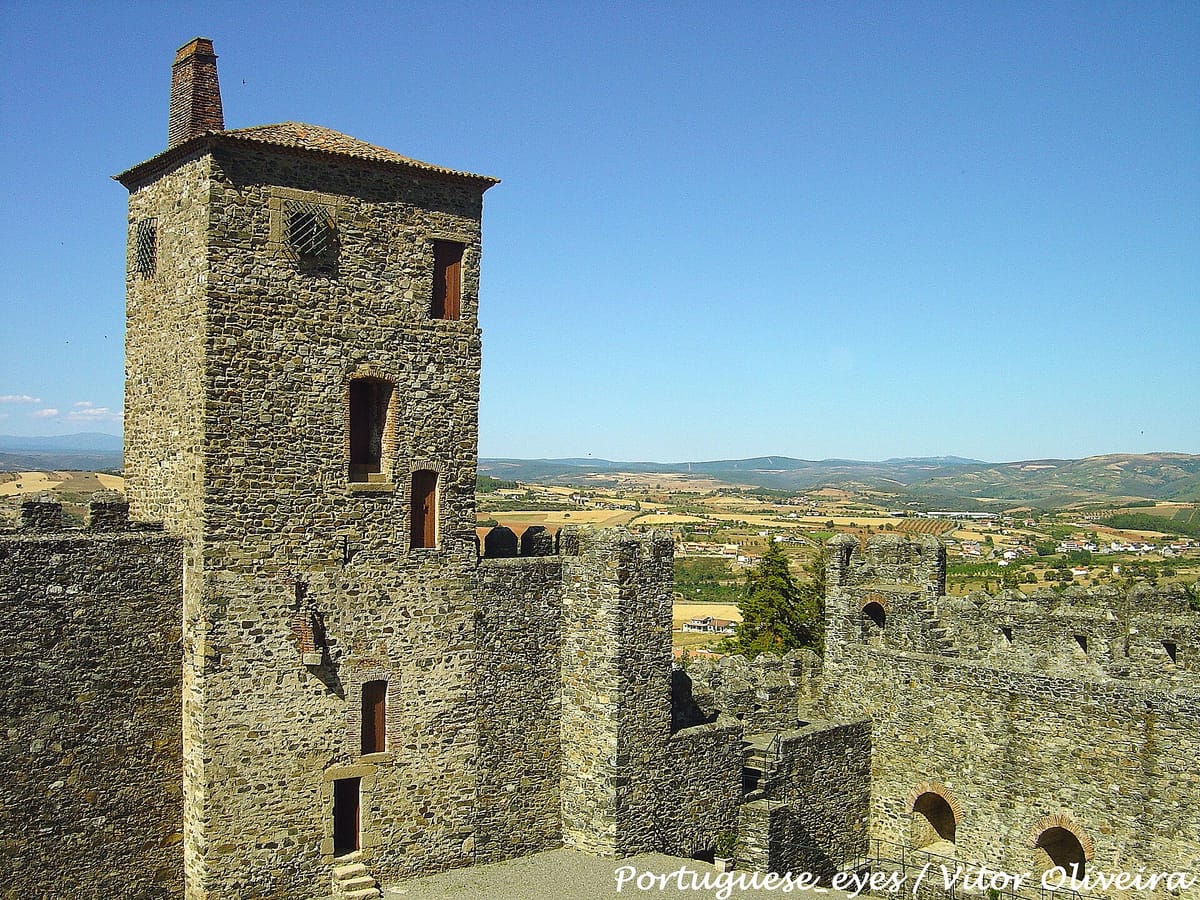
Luís Montenegro closed the 22nd edition of the PSD's Universidade de Verão (Summer University) at Castelo de Vide on Sunday with a speech of some 40 minutes that stayed entirely on education, science and innovation. It carried two concrete announcements, one unusual admission of failure, and not a word about the censure motion Chega has threatened to table this week.
The first is a new public institution: a Universidade de Bragança e do Norte Interior (University of Bragança and the Northern Interior). The second is a new regime of autonomy and governance for state schools, built around a general election for the head teacher, with a strengthened statute and higher pay for the post.
A university for the north east
Bragança today has the Instituto Politécnico de Bragança (Bragança Polytechnic Institute), not a university. Under the new Regime Jurídico das Instituições de Ensino Superior (Legal Regime for Higher Education Institutions), approved by parliament in May, polytechnics meeting the criteria can become polytechnic universities. Montenegro went further, saying the government would also level the pay of polytechnic university rectors with that of rectors at the older universities.
He gave no timetable, no legal instrument and no cost for the Bragança institution, but he did give it a frame: that the state should put durable things into territories losing people rather than manage their decline. The Bank of Portugal opened a weekly counter in the city this month, its only presence anywhere in Trás-os-Montes.
Elected heads, and a curriculum for 2027/28
The governance change is the more immediate of the two. Portuguese state schools are currently run by a director chosen through a restricted procedure by the school's general council. Montenegro's proposal replaces that with a general election, paired with what he called dynamising the director's statute and valuing it in pay, and he promised the reform would cut paperwork for teachers, directors and families.
On curriculum, he committed to a more demanding programme preparing pupils for digitalisation and artificial intelligence, in place for 2027/28. The groundwork he listed is under way: contracts with universities, investment in digital equipment, and a revision of the aprendizagens essenciais (essential learning objectives) for basic and secondary education.
An admission on the digital exams
The most striking passage concerned something that has already happened. Portugal moved national exam marking onto a digital platform this year, and the rollout went badly. "We recognise that this process did not go well, and we regret the disruption that occurred for some time," Montenegro said, adding that the second phase of national exams had shown the change could be carried through.
That understates a year in which 300,000 secondary results were delayed and applicants entered the university round doubting their own grades.
What was not said
The speech was watched for a different reason. Chega has threatened a censure motion over the Luís Neves affair, with Tuesday named as its deadline. Montenegro did not mention it, and pre-empted the criticism in his closing lines. "They can say what they like, that is democracy, but I also said what I wanted to say, and that is democracy too."
What this means for residents
For families with children in state schools, the governance change is the one to watch: electing the head alters who holds a school accountable, and it is being sold as less bureaucracy for parents as well as staff. None of it is law. These are announcements at a party event, not published instruments, and both need a decree or statute before they reach a classroom. The school year starts in mid-September, with 20,404 teachers already placed.