Portugal Places 20,404 Teachers in Schools for September, With Lisbon, Setúbal and the Algarve Still the Hardest to Staff
Portugal's education authorities have placed 20,404 teachers in schools for 2026/27, up more than 1,500 on last year, with the definitive lists out on 14 August and teachers due on 1 September. The shortage still bites hardest in Greater Lisbon, the Setúbal Peninsula and the Algarve.
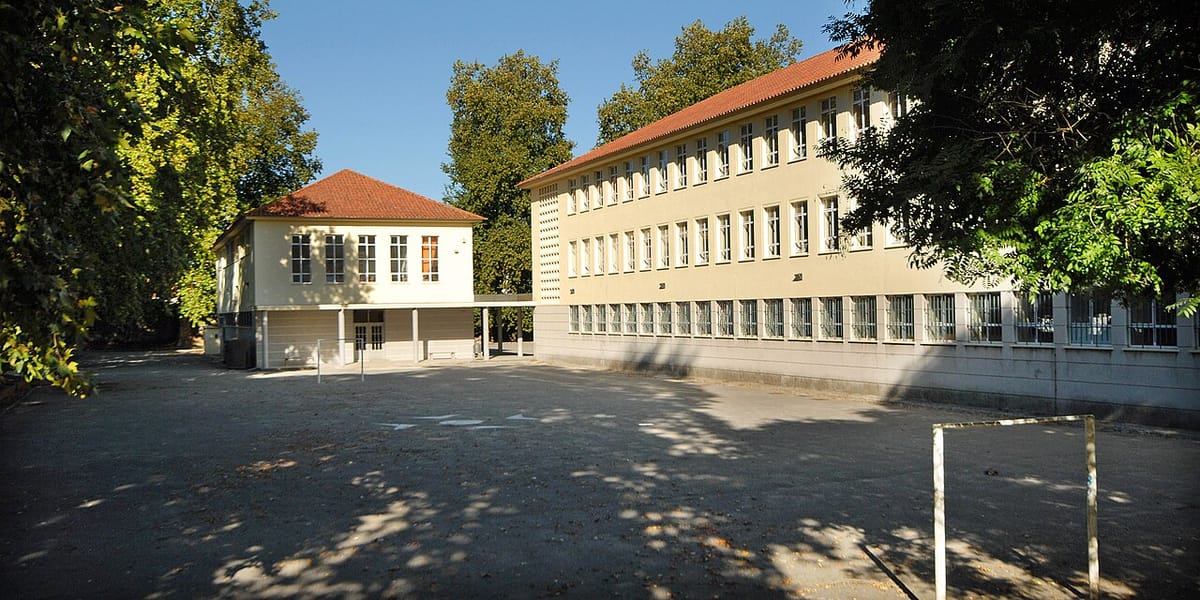
With just over two weeks to go before teachers report back to work, Portugal's education authorities have placed 20,404 teachers in schools for the 2026/27 year, the largest August placement round in recent memory. The definitive lists were published on Friday, 14 August by the AGSE — Agência para a Gestão do Sistema Educativo (Agency for the Management of the Education System), the body that until recently was known as the DGAE, and the teachers involved are due in their schools on 1 September.
The headline number is up on last year — 18,899 teachers were placed in the equivalent round in August 2025 — an increase of 1,505 posts. For families across the country, and especially in the regions where most foreign residents live, the placement lists are the first real signal of whether classrooms will be staffed when the school year begins in mid-September.
What the numbers actually count
The 20,404 figure covers two parallel competitions whose final lists came out together. The larger share — 19,152 placements — came through mobilidade interna (internal mobility), the annual reshuffle in which career teachers already inside the system move between schools and regions. The remaining 1,252 were hired through contratação inicial (initial recruitment), the route that brings new teachers into public schools. Internal-mobility placements alone rose 9.7% on the previous year.
Not every placement is a full teaching load. Of the internal-mobility teachers, 15,763 secured a horário completo (a full timetable), while the rest picked up partial schedules. Among the 1,252 newly recruited teachers the picture is better: 1,227 of them — 98% — landed a full timetable. The single biggest group of vacancies filled was in 1.º Ciclo (primary education), with 5,721 timetables, followed by pre-school, special education and lower-secondary Portuguese.
Where the shortages bite
The placement data lays bare Portugal's familiar geography of teacher shortages. Nearly 5,900 of the placements went to the three highest-deficit zones, all of them in the south and the coastal belt where housing costs are steepest and teachers are hardest to retain: 3,317 in Greater Lisbon, 1,566 on the Setúbal Peninsula, and 1,011 in the Algarve. These are precisely the areas where many international families settle, and where a shortage of teachers has repeatedly left pupils without a full complement of staff at the start of term.
The placement round published on 14 August is not the last word. It precedes the later reserva de recrutamento (recruitment reserve) and contratação de escola (school-level hiring) stages, in which individual schools fill the temporary gaps that remain closer to the start of classes. The competition to accept or decline a placement runs on the AGSE platform on 17 and 18 August, giving teachers just two days to confirm.
A recurring milestone, and a persistent complaint
The mid-August placement announcement is an annual fixture, and the government presents the growing numbers as evidence that the system is stabilising. Teacher unions see it differently. The FENPROF (National Federation of Teachers), reacting to the earlier internal-and-external competition lists in June, argued that the Ministry had opened fewer vacancies even as shortages worsened, and that thousands of long-serving contract teachers remain stuck without a permanent post. The union has also questioned how the headline placement totals are counted.
Change is on the way regardless. The Ministry of Education, Science and Innovation, led by Fernando Alexandre, has signalled a reform for 2027/28 that would collapse the current patchwork into two procedures: a single competition for permanent vacancies and a continuous, rolling recruitment for temporary needs, allowing candidates — including the newly qualified graduates of teaching master's programmes — to apply and update their applications at any time of year.
What this means for residents
- If you have school-age children: Placement lists being out this early is a good sign for September staffing, but it does not guarantee every subject is covered — the temporary-contract rounds that fill last-minute gaps come later in the month and into the term.
- Lisbon, Setúbal and the Algarve: These remain the hardest regions to staff. If you live there, it is worth checking with your school directly on whether all subject teachers are in place before term starts.
- The calendar: Teachers report on 1 September; classes for pupils begin in mid-September. The placement acceptance window itself closed on 18 August.
- The bigger picture: Portugal is short of teachers, particularly in the coastal south, and is reworking how it recruits them from 2027/28. Expect the annual August scramble to look different within a couple of years.
For now, more than twenty thousand teachers know where they will be teaching this autumn. Whether that is enough to open every classroom door on the first day of term is a question the coming weeks — and the temporary-contract rounds still to come — will answer. On the Portuguese school-staffing file, our count of the 2,650 timetables left unfilled as the 2026/27 school year opened, against 558 retirements in September and 20 million euros of overtime carries the current figures. On the Portuguese children-and-digital-life tape, our read on the EU Kids Online 2025 report for Portugal, where 52 percent of nine to seventeen year olds met online hate speech last year and 85 percent have already used generative AI sets the latest reference.