739 Arrests for Dealing in Central Lisbon Since 2024, and the Officers Who Made Them Say Everyone Is Replaced
PSP figures given to Diario de Noticias cover 1 January 2024 to 15 August 2026. The Mouraria accounts for 316 arrests and the Baixa for 114. The commander says the trade there is run by long-established Portuguese families, not by foreigners.
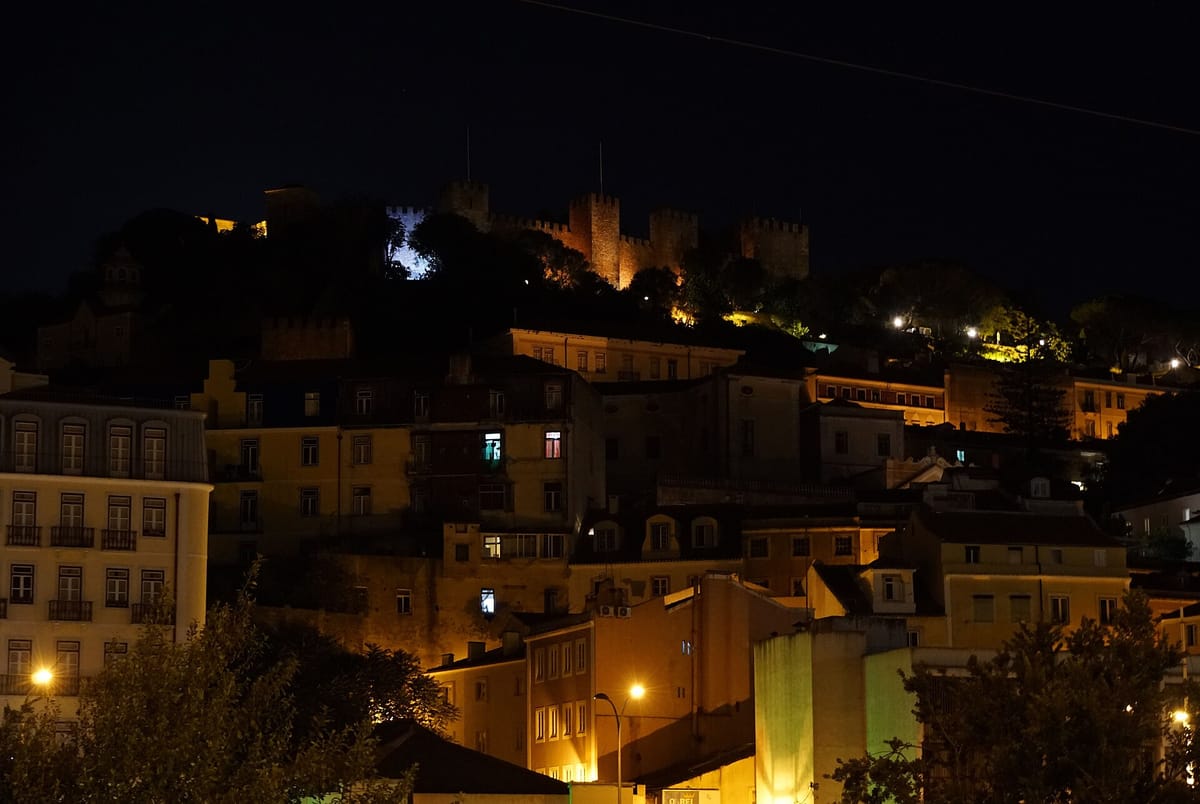
Plainclothes criminal investigators have been working central Lisbon around the clock, and between 1 January 2024 and 15 August this year they arrested 739 people for drug trafficking. The figures were supplied by the Policia de Seguranca Publica to Diario de Noticias, which spent a night on patrol with the Lisbon Metropolitan Command's criminal investigation unit.
The number carries an immediate qualification from the officer who runs the unit. "The problem is that, once arrested, people are replaced in the crime," said subintendente Nelson Silva, head of the operational criminal investigation area.
Three neighbourhoods, three different trades
The arrests are not spread evenly. The Mouraria accounts for the largest share, 316 since 2024. The buyers there are local residents, many of them homeless and dependent; tourists rarely purchase in the area. What is sold is real, principally heroin and cannabis.
The Baixa accounts for 114 arrests. It was here that a tourist was shot earlier this year, an incident the police describe as isolated while maintaining that the area is safe. Their concern is the effect on the image of a city that lives on visitors.
At the Cais do Sodre the picture changes again. The drugs sold there are genuine, mostly cocaine and synthetics, and the customers are people out for the night, tourists included. During the shift DN followed, a second investigation team, led by a woman officer, closed a surveillance operation near Rua Nova do Carvalho with eight arrests: cocaine, cash and mobile phones.
Who is actually running it
Silva pushed back on the assumption that immigration explains the trade in the Mouraria. "There is no indication that trafficking in this area is run by foreigners. They are very old Portuguese families, where one goes to prison and another immediately takes over the stall," he said. Another officer described the succession plainly: the youngest son, still a child, learns the job as a lookout.
Roles are divided. Three or four lookouts watch for police, and they know the cars. "As we do not have that many vehicles, they already recognise them," the officers said. When the unmarked car approached an alley on the night DN was present, a young man signalled its arrival. He was carrying nothing.
Talk before arrest
What followed was a conversation rather than a search alone. The officers questioned him and pressed him to find work outside the trade. "Get yourself a proper job. One of these days you will be arrested as a co-author. It is your daughter waiting at home. And one day you will not get there, because you are in prison." The young man agreed he should not be there, and said he wanted to put food on his daughter's table. The exchange ended with a handshake.
Near the Praca da Figueira the unit met a man who had served seven years and is now on parole. He introduced a foreign friend, who told the officers in fluent English that Silva had tried to help him years earlier and he had not listened. The officers say the obstacle to leaving is the record: not every employer wants to hire someone who has served time.
What this means for expats
- Read the geography, not the headline: the trades in the Mouraria, the Baixa and the Cais do Sodre are distinct in product and in customer, and the arrest counts follow that split.
- The Baixa problem is partly a different one: the fake-drug sellers there sit outside the criminal law entirely, which is why arrest numbers do not describe the nuisance.
- Downtown policing was already reinforced: the government stepped up presence after a Swedish visitor was shot in the Baixa in August.
- The promised officers have not arrived: Lisbon's mayor says none of the 200 police promised in May are in place, and the force is recruiting 13 percent fewer applicants into a retirement wave.
- If something happens to you: our guide to reporting a crime in Portugal covers the queixa, the six-month clock and your right to a free interpreter.