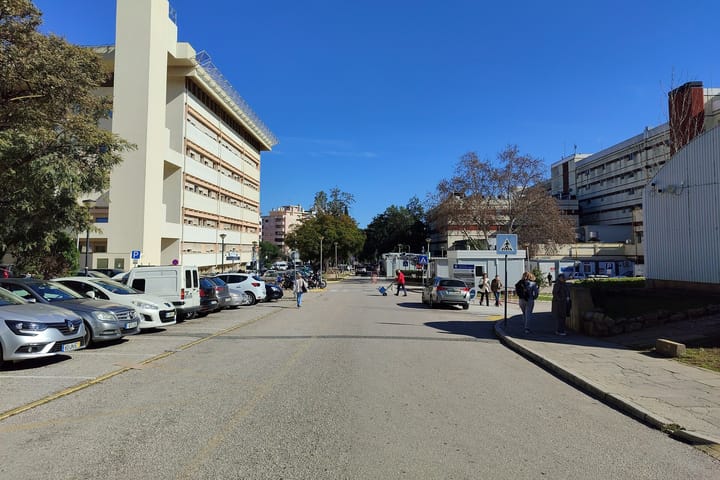
In Coimbra, More Parents Given a Grave Prenatal Diagnosis Are Choosing to Continue the Pregnancy, and a Small Hospital Team Supports Them
The head of ULS Coimbra's perinatal palliative care team says more mothers now continue a pregnancy after a life-limiting diagnosis. The team, running since late 2022, has had more referrals in 2026 than in the three years before. What it offers, and what the law allows.
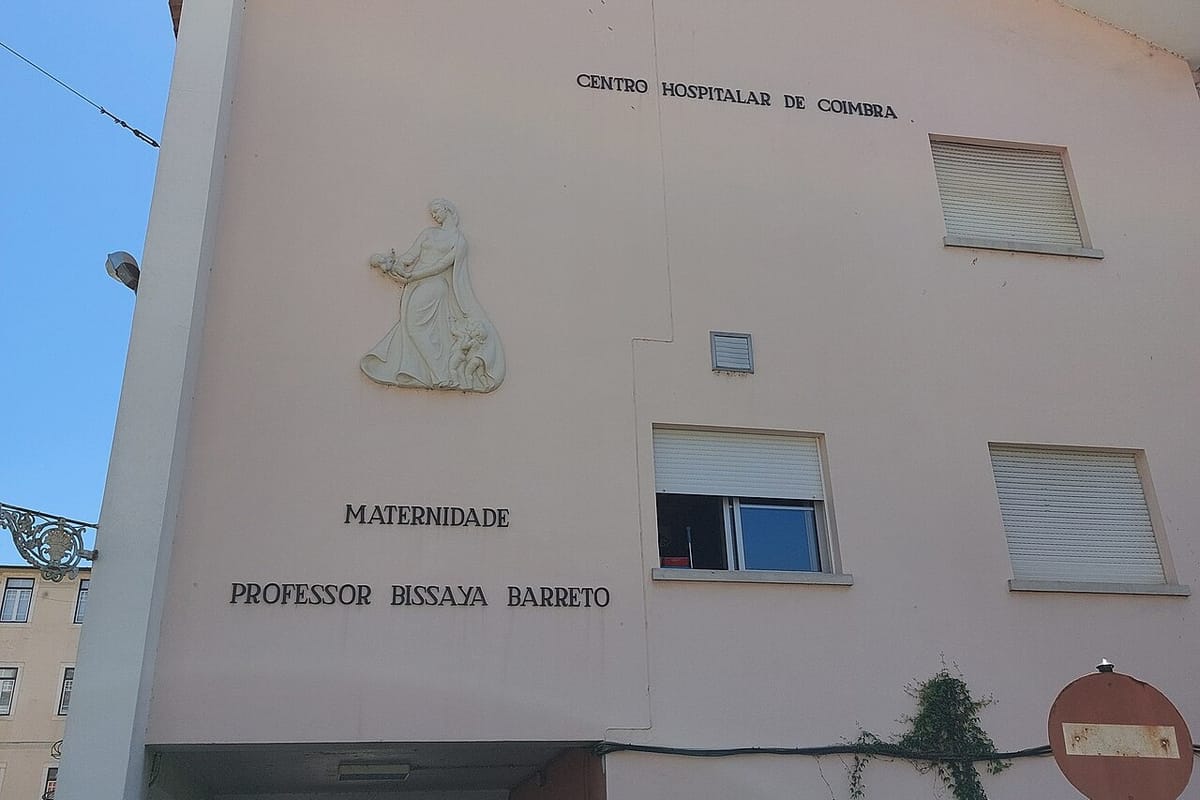
More women at the two ULS Coimbra maternity hospitals are choosing to continue a pregnancy after their baby is diagnosed with a serious or life-threatening condition, according to the doctor who heads perinatal palliative care at the Unidade Local de Saúde (ULS, local health unit) de Coimbra. "What we have observed in recent years is a paradigm shift," Sofia Morais, a senior neonatologist at the Maternidade Bissaya Barreto, told the Lusa news agency in an interview published on Saturday by Notícias ao Minuto. With some grave, life-limiting or life-threatening conditions, she said, more mothers now decide to carry on, in situations that a few years ago were "much less frequent" in the team's practice. She gave no count of those families; her figures concern the team's own work.
A small team with rising referrals
The multidisciplinary team has been running since the end of 2022 and has recorded 47 cases so far. "Just in 2026, which is not over yet, we have already had more referrals than in the three previous years," Morais said, adding that at the start the referral criteria had not yet been clearly defined.
Neonatologists, obstetricians, psychologists and social workers link it to the delivery rooms, wards and clinics of both the Bissaya Barreto and the Daniel de Matos maternity hospitals. It follows families where an unborn baby or newborn has a life-limiting or life-threatening illness, or where the diagnosis or outlook is still uncertain.
What parents are offered
The team supports families "whatever their decision", Morais said, so that parents who continue a pregnancy are not left alone with such a complex diagnosis. With the parents, it draws up a care plan and an individual advance birth plan, and the parents take part in clinical decisions.
When a baby is expected to live only minutes or hours, the priority becomes comfort and relief of symptoms, and time for the parents to be parents: to hold and dress their baby, bring the family together, take photographs and keep mementoes. The team stays with families before, during and after the birth and through bereavement. Creating memories, Morais said, helps grief to be lived "in a non-pathological way".
The team won one of the first Prémios Empatia na Saúde (Empathy in Health Awards), run by the Princípio Ativo movement.
What the law allows
Under article 142 of the Código Penal (Criminal Code), a termination is not punishable when there are sure grounds to expect that the unborn child will suffer, incurably, from a serious illness or congenital malformation, provided it takes place in the first 24 weeks. Where the foetus is not viable, there is no time limit. A different doctor must certify the grounds in writing beforehand, and the woman's signed consent is given, where possible, at least three days before. At ULS Coimbra, a technical certification commission, with a section at each maternity hospital, checks each case against the 2007 law.
Nationally, the register of pregnancy terminations kept by the Direção-Geral da Saúde (DGS, Directorate-General of Health) counted 495 terminations on this ground in 2025, 2.6 percent of the total, against 480 in 2024. Since 2008 the yearly figure has ranged from 456 to 578. The register counts terminations, not diagnoses, so it cannot show how many families chose to continue. We covered the 2025 report in September.
Where to get help
For health advice, the national SNS 24 line is 808 24 24 24. Our guide to getting an abortion in Portugal explains the service, and we reported this month on gaps in children's palliative care.