Nine in Ten Seriously Ill Children in Portugal Go Without Palliative Care, and the National Commission Has Sat Unfilled for 19 Months
About 8,000 children and teenagers need specialist palliative care. Doctors say the teams exist but lack time, and dedicated services are not yet a reality in the interior, the Alentejo and the Algarve.
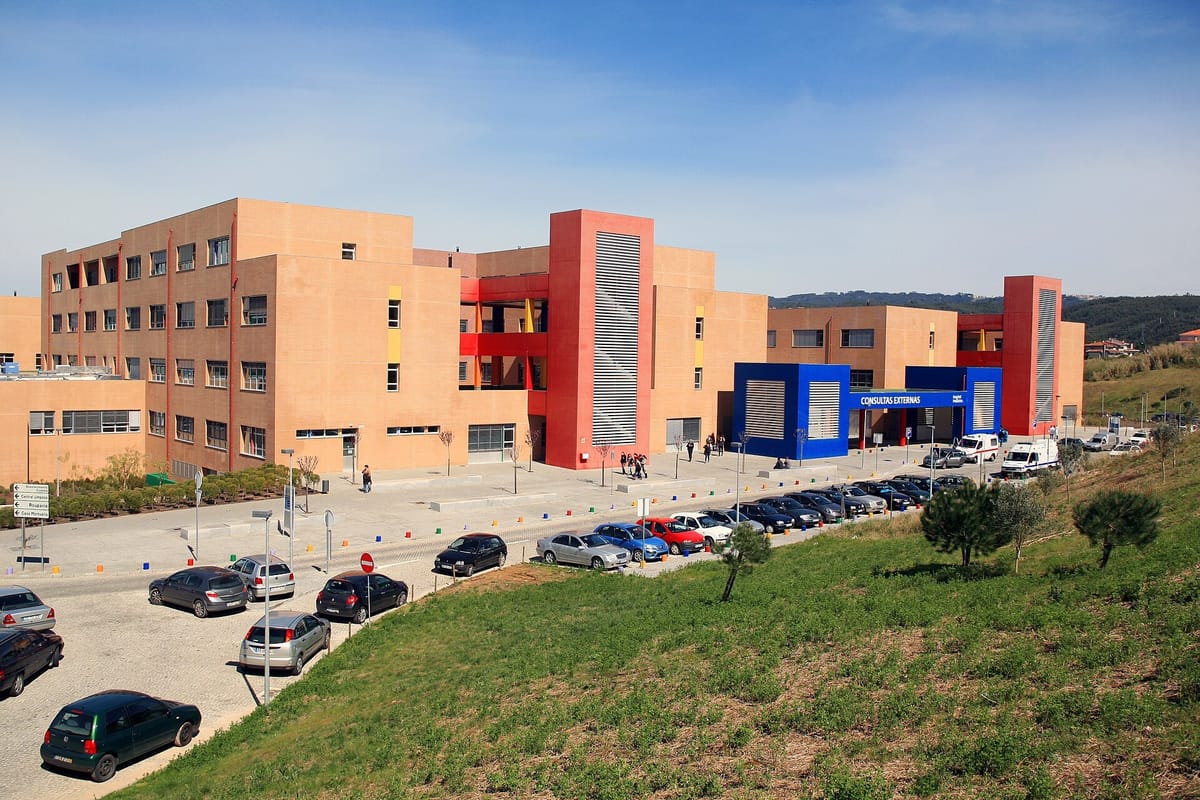
About 8,000 children and teenagers in Portugal live with a serious, progressive or incurable illness that calls for specialist palliative care, and close to 90 percent of them cannot get it, the Associação Portuguesa de Cuidados Paliativos (APCP) said on Friday, World Paediatric Palliative Care Day.
The association is also pressing the government to appoint the Comissão Nacional de Cuidados Paliativos, the national body meant to steer this area of care, which it says has gone 19 months without being named.
Teams with too little time
Cândida Cancelinha, a paediatrician at the Hospital Pediátrico in Coimbra and the APCP's vice-president, told Lusa that the picture has improved, with more teams and more trained professionals than ever, but that the teams remain "very short" of the staff time they actually need. "This is not a desert, but it is an area where the lack of answers is still large," she said. Some teams have just two hours a month for it.
Coverage also depends on where a family lives. Some regions are well served, she said, while in others, including the whole of the mainland interior, the Alentejo and the Algarve, dedicated paediatric teams are not yet a reality.
Five demands in the "Carta de Belém"
On Sunday the APCP is holding a walk in Belém, in Lisbon, under the title "Pequenos passos, grandes caminhadas" (small steps, long walks), where it will present a document setting out five priorities:
- access to paediatric palliative care wherever a child lives;
- specialist teams with trained staff and time genuinely allocated to the work;
- care at home, the area where Portugal lags furthest behind other EU and North American countries, according to Cancelinha;
- a real choice for families about where a child is cared for, with support from primary care and community services when they do not want a hospital;
- a national strategy with named people in charge, targets, a timetable, its own funding and an evaluation of results.
Palliative care is not only end-of-life care, the association stresses. "Ninety percent of the work is controlling difficult symptoms such as pain, breathlessness and mobility problems," Cancelinha said, as well as preparing homes, families, schools and nurseries to look after children whose illness may not be curable.
A wider shortfall
In a petition delivered to parliament at the end of September with more than 9,500 signatures, the APCP says more than 150,000 people a year in Portugal live with suffering linked to a serious, progressive and incurable illness, and that 70,000 to 85,000 die each year needing palliative care.
Citing European recommendations, the petition says the country would need more than 100 community and in-hospital teams and around 1,000 specialist beds, and that current coverage is "only a fraction" of that. It also asks for palliative medicine to be recognised as a medical specialty in its own right.
In February the association drew attention to a report by the health regulator, the Entidade Reguladora da Saúde, which found that 53 percent of the patients referred to the national palliative care network in 2024 died while waiting for a place, up from 47.5 percent in 2023 and 48 percent in 2022.
"There has been no National Commission for Palliative Care for 19 months," APCP president Catarina Pazes told Lusa, adding that the situation "has gone beyond all limits".
For families
Parents of a child with a complex or life-limiting condition can ask the child's hospital team or family doctor about a referral to a paediatric palliative care team. For non-urgent health advice at any hour, the SNS 24 line is 808 24 24 24. Patients who cannot get to appointments may also qualify for free transport to hospital.