Church Abuse Victims Ask Every Party in Parliament for an Audit of the Bishops' Compensation Scheme and a Change to the Time Limit on Child Sex Crimes
The Coração Silenciado association says victims had no say in a process that compensated 57 people against an estimated 4,815, and now wants MPs, not just the President, to act.
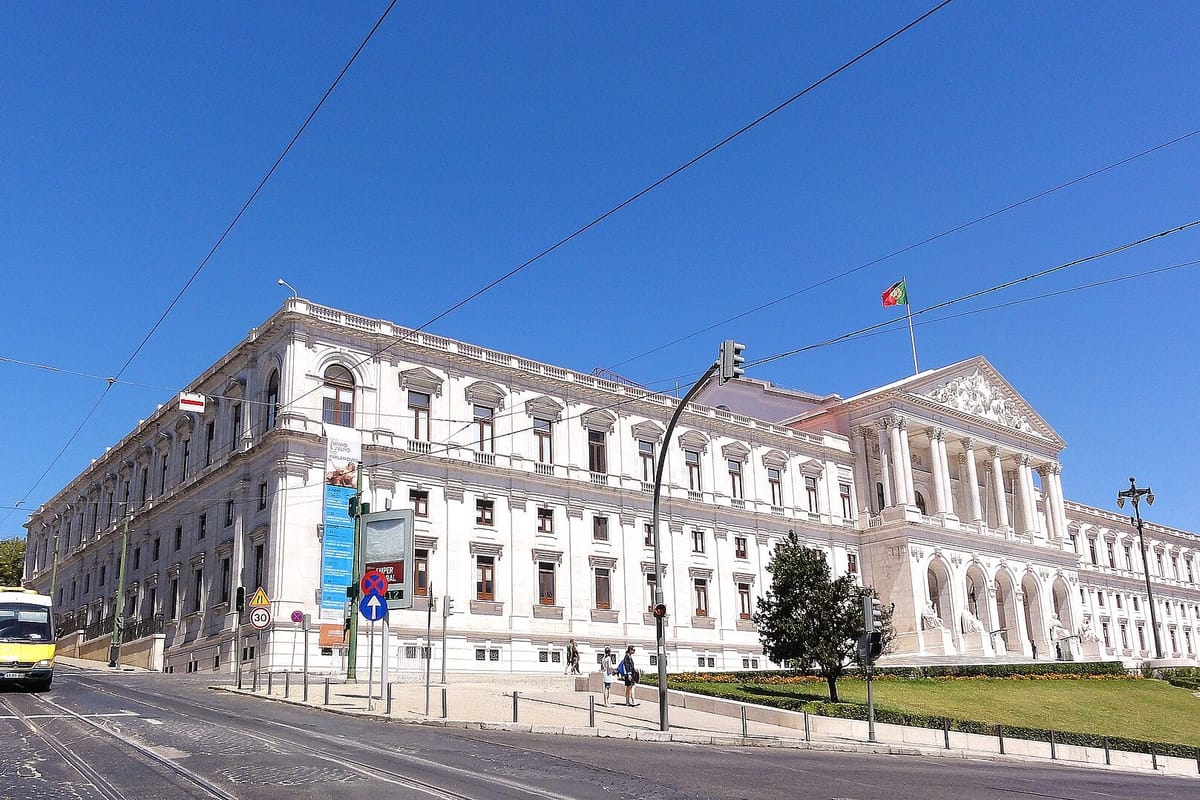
Coração Silenciado, the association representing victims of sexual abuse in Portugal's Catholic Church, is handing every parliamentary group and party in the Assembleia da República a dossier on Friday asking MPs to order a review and audit of the compensation scheme the bishops set up, and to change the time limit on prosecuting child sexual abuse.
The folder is identical to the one the association took to the President, António José Seguro, on 18 September, when it set out its case at Belém. Taking it to parliament moves the request to the body that can actually change the law.
What the victims are asking for
According to the dossier, seen by Lusa, the association wants MPs to:
- order an independent audit and review of the financial compensation process run by the Portuguese Episcopal Conference (CEP);
- change the limitation period for child sexual abuse, because victims can take many years to report what happened, given their age at the time and the trauma involved;
- guarantee the psychological support promised to all eligible victims, with maximum waiting times for a health professional to be assigned, and set ways of holding institutions to account when commitments are not met.
"Trauma and suffering do not expire," the association writes, arguing that the limitation period for sexual crimes against children should not end up "benefiting the abuser".
Why it says the scheme failed
The association says victims had almost no say in how the CEP designed its compensation rules, with the single exception of limitation periods, which the Church's own regulation set aside. It complains that the process was not transparent, that victims cannot see their own testimony, and that the rules' vague criteria left room for very different decisions.
The bishops created the Grupo Vita in 2024 to hear victims again, the association recalls, because the personal data of those who had testified to the earlier independent commission had been destroyed under data protection rules. The process that followed assessed the "plausibility" of each case, and some were excluded for lack of evidence or because the conduct described was judged insufficient to amount to abuse.
The result, the association says, was compensation for just 57 survivors, set against the independent commission's 2023 estimate of 4,815 victims over the decades, of whom 512 gave validated testimony. It also criticises the State for staying on the sidelines.
The Church's position
In September the CEP said it was willing to cooperate with an audit of its compensation process ordered by the State. Responding after the association's meeting with the President, it told Lusa it "respects the right of victims" to raise their concerns with State bodies and remains fully available to provide any clarification requested.
On limitation periods, the CEP said it considers it "legitimate for society to keep reflecting on the matter", given the gravity of these crimes and the fact that many victims take years to speak about them. In April the outgoing CEP president, José Ornelas, put the Church's total spending on internal investigations, victim support and compensation at three million euros, with individual payments of between 9,000 and 45,000 euros.
What happens next
Any change to limitation periods would need a bill from a parliamentary group or the government and a vote in the Assembleia da República. It is not yet clear whether any party will take up the association's requests. Anyone affected by abuse can file a complaint with the Public Prosecutor's Office or the police at any time; whether a case can still be prosecuted depends on the date and the crime.