Church Abuse Victims Take a Dossier to Belem on Friday, Where 57 Payments Stand Against 4,815 Estimated Victims
The association wants two things from the President: an audit of a compensation process the Church ran on itself, and the end of the limitation clock on child sexual abuse.
An independent commission set up by the Portuguese Catholic Church validated 512 testimonies and estimated that 4,815 people were abused as children in the Church in Portugal over recent decades. According to the association that represents them, 57 have so far received compensation.
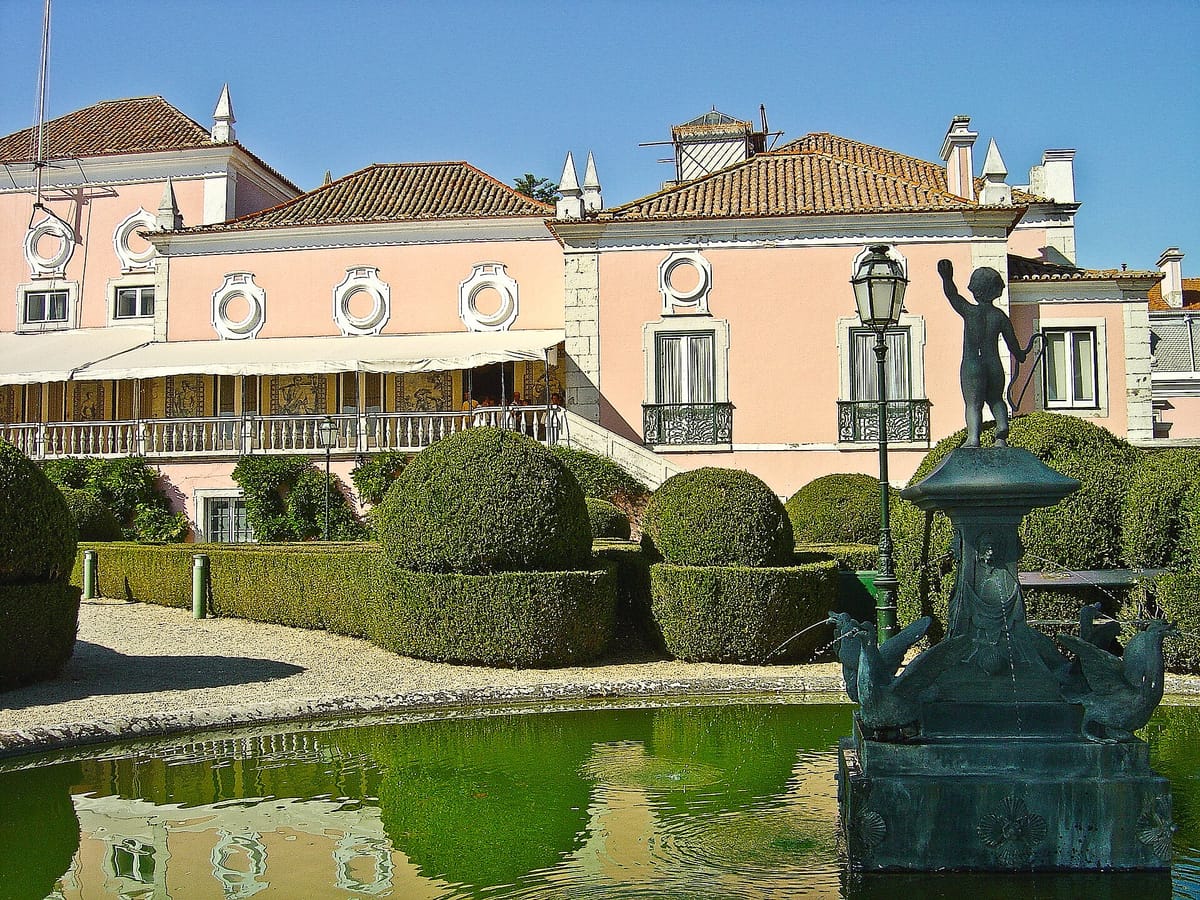
On Friday the association Coração Silenciado goes to Belém to hand the President of the Republic, António José Seguro, a dossier on that process and two requests: that the State audit how the compensation scheme was run, and that it abolish the limitation period for child sexual abuse.
The meeting follows a cancelled one. In July the association called off an appointment at Belém because it wanted to be received by the President himself rather than by an adviser.
"The trauma does not expire"
The first request is the one with legislative consequences. "Limitation periods for sexual abuse of minors cannot exist, because the trauma does not expire in the head and in the body of the victims," the association's spokesman, António Grosso, told Lusa.
His argument is about timing. "It is ridiculous that there are limitation periods of 15 or 25 years when it is publicly and sociologically known that victims, for the most part, only reveal the secret of sexual abuse more than 30 or 40 years afterwards," he said, and by the time they are able to speak "the abuser's crime has already expired". Several countries have removed the limitation period for these offences; Portugal has not.
The second request concerns the compensation scheme itself. "We are going to present a proposal for review and audit of the process of financial compensation and support for victims of sexual abuse in the context of the Catholic Church in Portugal, because we understand that after this whole process developed behind closed doors, begun on its own initiative and closed on its own initiative, it falls to the State to carry out some verification," Grosso said.
He set the numbers against each other. Against the 4,815 victims the independent commission estimated, and the 512 testimonies it validated, the association counts 57 people compensated by the Grupo VITA, the structure of psychologists that replaced the commission and assessed claims case by case. "The final result is very little."
The complaint about how claims were heard
Grosso argues the process itself caused further harm, describing "long interviews by the investigating committees with victims, where they had no minimum rights and could not be accompanied by anyone", facing "two or three inquisitors" who "had all the power in the process", in order to "calculate the price of our suffering". Claimants, he added, are barred from seeing the report written about them and their lives, on the basis of which the payments were set. Some cases did not proceed at all because the files were archived at the Vatican or involved clergy of other nationalities.
The case for State involvement, in the association's telling, rests on where many of the abuses happened. Protection of children and young people is the State's job "institutionally, constitutionally and by tradition", Grosso said, and many of the children concerned were placed in Church institutions by public services. "The State did not have its own structures and handed the most vulnerable children to convents, to seminaries or to casas de gaiatos, but then did not ensure the protection that was required, and there was no supervision."
In April the outgoing president of the Portuguese Episcopal Conference, José Ornelas, put the Church's total spending on internal investigations, victim support and compensation at three million euros, with individual awards ranging from 9,000 to 45,000 euros. Cases are running in the courts and investigations are open at the Public Prosecution Service.