Applications to Join Portugal's PSP Fall 13% Just as the Force Braces for a Wave of Retirements
The latest recruitment competition for PSP officers drew 2,945 applicants, 447 fewer than the previous edition — a 13% drop that lands just as an ageing force braces for some 900 retirements this year, with unions blaming low pay and poor conditions.
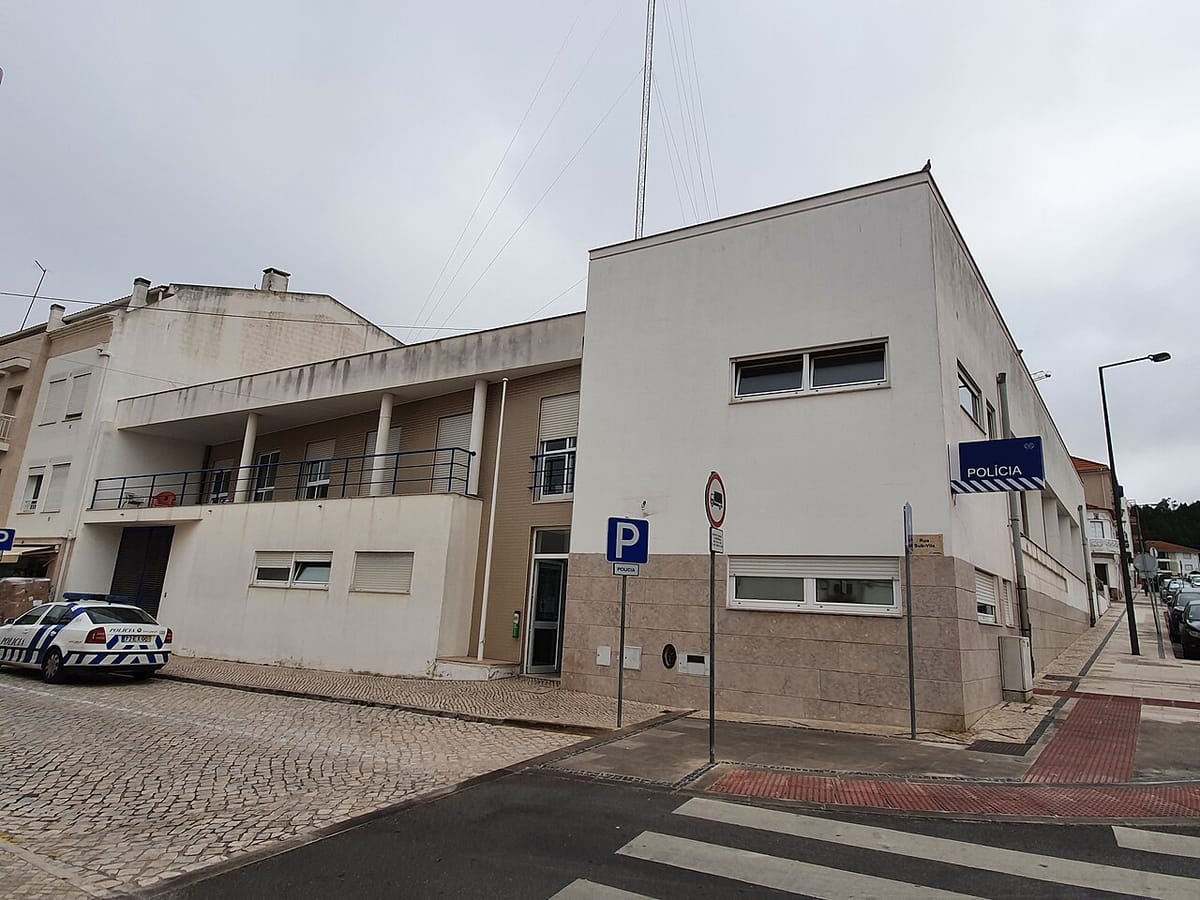
Fewer people want to become a Portuguese police officer. The latest recruitment competition (concurso) for the Polícia de Segurança Pública (Public Security Police, the PSP) Agent Training Course attracted 2,945 applicants, 447 fewer than the 3,392 who signed up for the previous comparable edition — a drop of 13%, according to figures reported by Diário de Notícias on 9 August. Roughly three in four of this year's candidates are men (2,235), with 710 women making up a quarter of the field.
The decline is all the more striking because it interrupts what had looked like a recovery. A competition held over the winter drew a little over 4,000 applications — the highest in five years — after the force relaxed its entry rules, raising the maximum age for candidates from 30 to 35. That rebound has now reversed, with numbers falling back below the 3,400 mark. And the headline figure flatters the reality, because applicants are whittled down across five elimination stages — a physical test, a knowledge exam, psychological screening, an interview and a medical — so the number who actually reach the classroom is always far smaller than the number who apply.
That gap between applications and admissions has become the PSP's central staffing problem. A training course run earlier in 2026 was planned for 800 places but opened with only 683 candidates — fewer people than there were seats to fill. The force insists it is bringing officers in: the government has announced around 400 new agents for the Lisbon and Porto metropolitan commands, plus reinforcements for airports, and projects that roughly 1,200 recruits will join over the course of the year.
The unions argue that even those numbers barely tread water. The PSP ended 2025 with about 20,308 active personnel, but it is an ageing institution: the median age of the force is above 50, some 4,000 officers are already 55 or older and eligible to begin winding down their careers, and around 900 pre-retirements are expected during 2026 alone. For three years running, the Associação Sindical dos Profissionais de Polícia (Police Professionals' Trade Union, the ASPP/PSP) points out, the people coming in have not made up for the people going out.
Pay and conditions dominate the explanations. The ASPP/PSP has long argued that "the salary of police is still very low for the specificity of the profession," and its leadership sees the latest dip as of a piece with that: the trend, it says, "is evident… these are salary questions." The Sindicato Nacional Independente da Polícia (National Independent Police Union, SINAPOL) reports that, on average, three to four officers a week ask to leave the force entirely. Other unions add that career progression is slow and demoralising, and that simply changing the admission criteria — a higher age limit here, a lower minimum height there — will not fix a job that struggles to compete. One union leader has called instead for concrete perks, such as affordable housing and free public transport for serving officers.
The government has acknowledged the strain. The Minister of Internal Administration has described the PSP's human-resources shortage as "evident," conceding that the thinning of the ranks is plain to see. But with a large cohort now heading for the exit and each new intake harder to fill, the arithmetic is unforgiving: unless the flow of recruits picks up, the force will keep shrinking faster than it can rebuild. For residents, the practical stakes are ordinary but real — the number of officers available for street patrols, police-station counters and emergency response depends, in the end, on how many people are still willing to sign up. On the recorded-crime side of the file, the PSP's provisional 2026 figures for the Porto, Lisbon and Setubal commands sets out where general crime, violent and serious crime and police-detected offences have each moved, and what the force has not published alongside the percentages. On the Portuguese identity-document and registry-security tape, our report on the overnight theft of 500 citizen cards, 200 passports and two official dry seals from the Chaves registry office, and what it means for anyone with a document waiting at a counter sets the latest reference.