After a Swedish Visitor Is Shot in Lisbon's Baixa, the Government Steps Up Downtown Policing
A daylight shooting on the edge of Lisbon's busiest tourist streets has prompted the government and police to reinforce a downtown security operation that has been running since June.
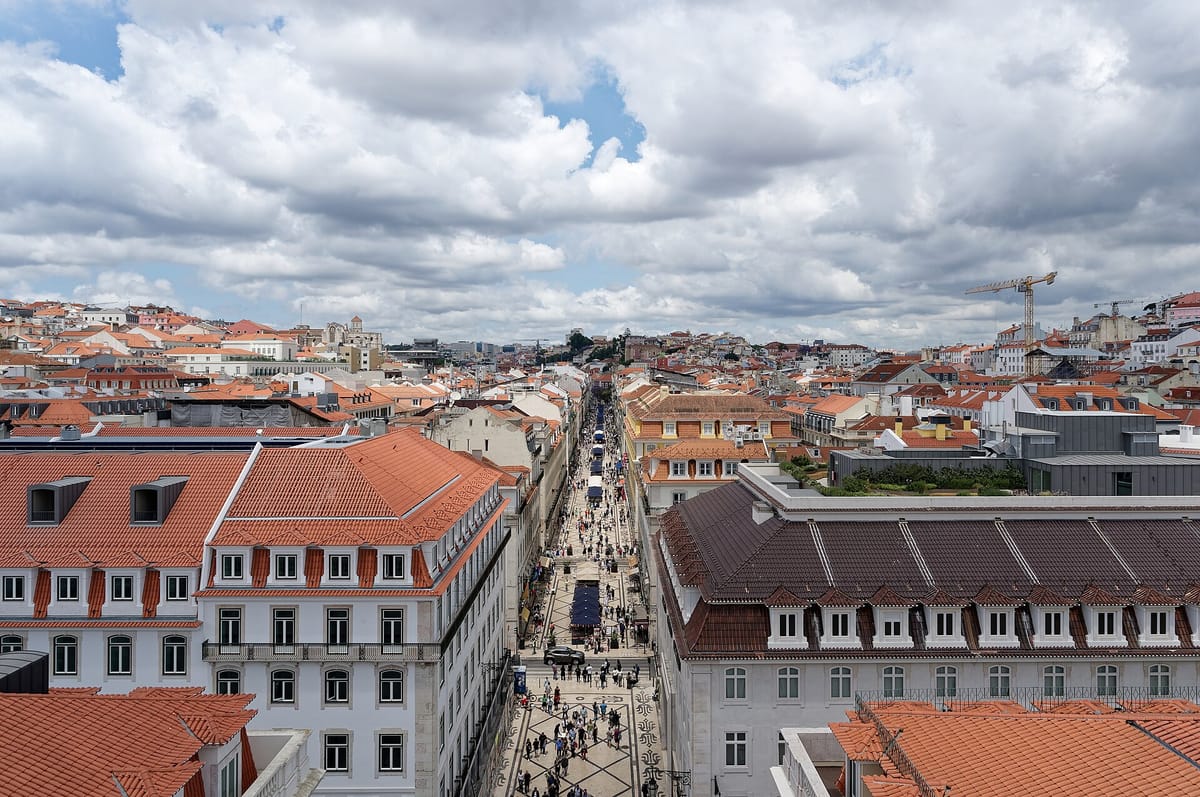
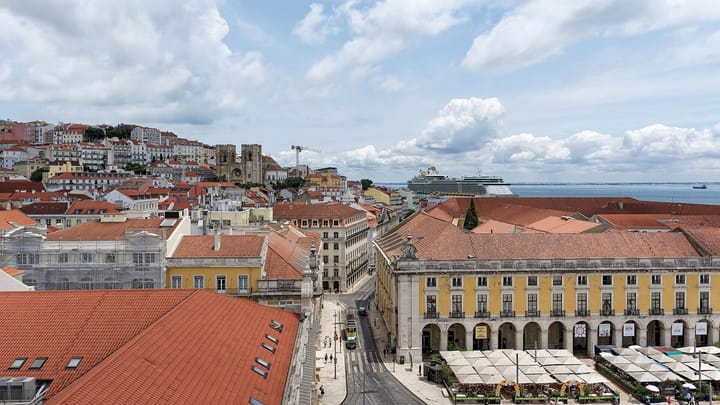
A shooting in the heart of tourist Lisbon has forced questions about safety in the city's most-walked streets. Shortly after 6:00pm on Monday, a woman in her forties – a Swedish national – was hit by gunfire in the Baixa, the grid of pedestrian avenues between Rossio and the river that funnels much of the capital's foot traffic. She was taken to Hospital de São José; two suspects fled the scene by car. Investigators from the Polícia Judiciária (PJ – Judicial Police) believe the episode is linked to drug trafficking rather than a random attack, and one suspect has since been detained.
The official response
The Ministério da Administração Interna (MAI – Ministry of Internal Administration) moved quickly to frame the incident as an isolated criminal act, not a breakdown in public order – while conceding that gunfire in a crowded street demands a visible answer. Its statement set out several measures:
- Continuity: the Polícia de Segurança Pública (PSP – Public Security Police) has, since June, reinforced its presence in the downtown and tourist zones using special intervention units. Those deployments will be "maintained and adjusted" according to an ongoing reading of criminal activity.
- Municipal enforcement: the Polícia Municipal (Municipal Police) will intensify action against illegal and irregular street commerce – the unlicensed vendors and touts that concentrate in the same streets.
- A firm line on firearms: the government stressed the need for a robust response to the use of guns in areas with heavy pedestrian traffic.
Context: a safe country, a stressed downtown
Portugal remains, by international measures, one of the safest countries in the world, and violent crime rates sit well below the European average. That reputation is a genuine economic asset: personal safety is one of the top reasons foreign residents and tourists give for choosing Lisbon. But the Baixa concentrates a specific set of pressures – dense crowds, a visible street-drug trade around the lower town and Martim Moniz, and the friction that comes with record visitor numbers. An armed incident here lands harder on perception than the same event would in a quieter district precisely because so many people, and so many cameras, pass through.
What this means for residents and visitors
- Perspective over panic: this appears to be a targeted, trafficking-related dispute, not a sign of generalised danger to passers-by. The statistical risk to an ordinary visitor in the Baixa remains very low.
- More visible policing: expect a heavier PSP presence and more municipal enforcement around Rua Augusta, Rossio and the lower town through the summer.
- Usual city-centre caution: the more common risk downtown is still pickpocketing in crowds, on the 28 tram and around Santa Justa – watch your belongings more than the headlines.
- A political thread to watch: the episode feeds directly into a live national debate over urban policing, station closures and how many officers Lisbon and Porto actually need on the street.
For a city that sells itself partly on feeling safe, the test now is less about a single shooting than about whether the reinforced operation makes the Baixa feel orderly again through the peak of the tourist season. The government has committed to keep adjusting the deployment; residents and businesses will judge it by what they see on the pavement.