188 of the 406 Measures in Portugal's Nature Restoration Plan Say Nothing About Where, Nine Environmental Groups Warn
GEOTA, FAPAS, LPN, Quercus, SPEA, WWF Portugal, Sciaena, Palombar and AEPGA filed a joint submission before the consultation closed on 19 August. The plan, worth €500 million a year, must reach Brussels by 1 September.
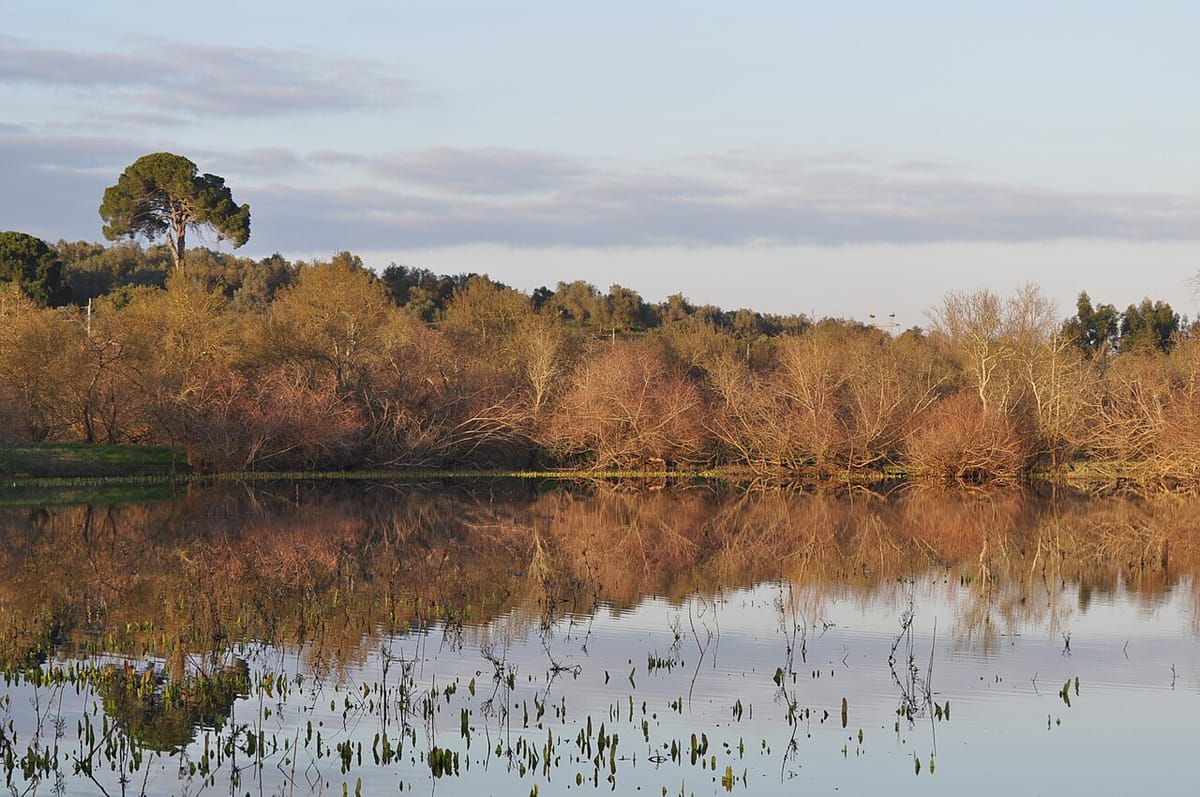
Portugal has ten days to send Brussels the plan that will govern how it repairs its damaged rivers, dunes, forests and seabed for the rest of the decade. Nine environmental organisations have just told the government that the draft it consulted on is not ready to be sent.
GEOTA, FAPAS, LPN (League for the Protection of Nature), Quercus, SPEA (Portuguese Society for the Study of Birds), WWF Portugal, Sciaena, Palombar and AEPGA filed a joint submission to the public consultation on the Plano Nacional de Restauro da Natureza (National Nature Restoration Plan), which closed on 19 August after running since 9 July. The plan is coordinated by the ICNF (Institute for Nature Conservation and Forests) and runs to eleven volumes.
The nine groups are careful to say the document reflects a year of genuine technical work. Their objection is about what happens next. That work, they write, "is not yet consistently translated into decisions, responsibilities, timetables, financing and verifiable results".
The number at the centre of the argument
Of the plan's roughly 406 measures, 188 have no defined area of application. Nearly half the plan, in other words, says what should be done without saying where. Funding sources are not broken down measure by measure either, and the organisations want long-term maintenance costed rather than only the initial intervention, on the straightforward logic that a restored wetland nobody manages reverts.
Behind those measures sits the headline commitment: an average of €500 million a year through 2030, drawn from EU and national instruments. The plan commits Portugal to planting three million trees a year, identifies 260 square kilometres of terrestrial, coastal and freshwater ecosystems needing restoration, and sets a forest target of 44,000 hectares by 2030. The PRO-RIOS programme aims to recover 1,500 kilometres of watercourses including barrier removal.
What the organisations say is missing
Their sharpest criticism concerns the sea. Of 27 marine measures, they count only two as direct restoration; the recovery targets are "greatly reduced" and the financing undefined. The plan concedes that nearly 33,000 square kilometres of Portuguese marine area is in an unknown state, which the ICNF treats as a reason to combine restoration with mapping. The nine groups accept the knowledge gap but reject it as grounds for inaction, noting that the pressures are already documented: plastic makes up nearly nine in ten items logged on Portugal's monitored beaches.
On agriculture they raise an accounting risk that runs through the whole document. Measures already funded under the Common Agricultural Policy through PEPAC, or routine practices with no additional ecological benefit, could be counted toward restoration targets without restoring anything. They cite integrated production systems, which still permit synthetic pesticides and fertilisers. Support should only count, they argue, where tied to measurable outcomes: soil carbon retention, reduced pesticide use, habitat conservation, pollinator support.
On rivers, they say inventories of barriers, fish species and hydromorphological condition are "incomplete and poorly harmonised", and propose national protocols, LiDAR and environmental DNA analysis under a dedicated technical structure. On forests, they want a national map of degraded areas, a clear line between restoration and ordinary forestry, and an explicit link to fire-prevention policy, a gap familiar to anyone who followed the row over public money and eucalyptus this summer. On cities, where the plan aims only to reach 2030 with no net loss of green space, they warn that excluding high-density areas weakens the target exactly where the heat is worst; Porto's Gondomar metro line alone would fell up to 533 trees. Where private money enters restoration, they add, it must meet criteria of transparency, additionality and monitoring, and must not substitute for a developer's existing legal duty to mitigate impacts.
Why the calendar matters
Regulation (EU) 2024/1991 requires Member States to submit a draft national restoration plan to the European Commission by 1 September 2026, with restoration measures covering at least 20% of land and sea by 2030 and all ecosystems needing repair under way by 2050. Portugal presented its plan on 2 June and is among the first countries to get there. The Commission then reviews the draft and can require changes, which is the leverage the nine organisations are working with. The consultation drew 176 submissions in total and is now listed as under analysis.
What This Means for Expats
- Property and land use: Restoration areas, once fixed, will shape what can be built or cleared near rivers, dunes and wetlands. If you own rural land or are buying near a watercourse, the location of those 188 undefined measures is not an abstraction.
- Fire risk: The forest target and the weak link to fire policy bear directly on the risk profile of interior properties. Restored, diversified woodland burns differently from abandoned monoculture.
- Coastal and marine users: Two direct restoration measures out of 27 is a thin base for the pressures on Portuguese waters, and separate from the urgent coastal defence works APA runs each bathing season.
- Urban heat: No net loss of city trees by 2030 is the floor, and it currently excludes the densest, hottest neighbourhoods.
- Getting involved: Consultations run on the Participa portal and accept submissions from residents as well as organisations. This one drew 176 responses, a small enough number that individual contributions carry weight.