A Forestry Movement Accuses the Government of Bankrolling Eucalyptus as Wildfires Sweep Europe
As fires burned across Portugal and southern Europe, the Movimento Floresta do Futuro accused the government of still bankrolling flammable eucalyptus over native woodland, demanding incentives be redirected to fire-resistant species and rural communities.
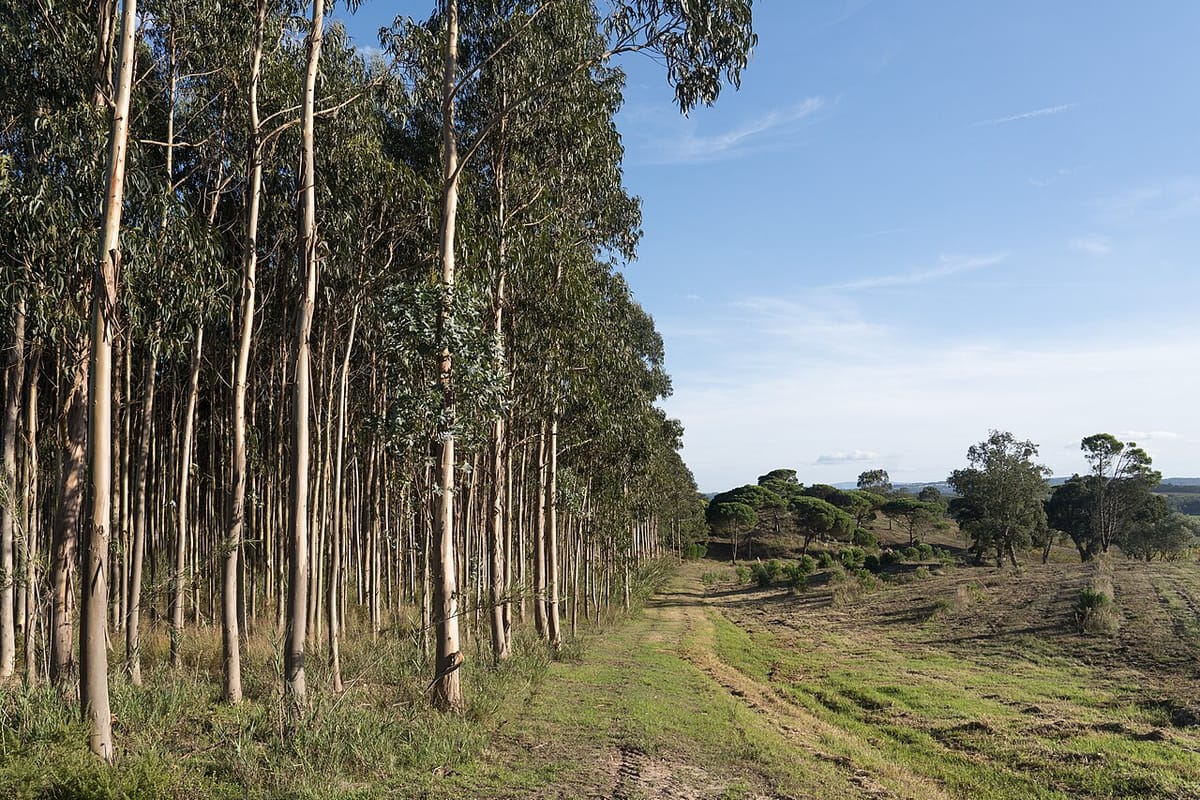
As wildfires burned across Portugal and swathes of southern Europe this week, an environmental movement turned its fire on the government. The Movimento Floresta do Futuro (Forest of the Future Movement) accused the state of continuing to bankroll eucalyptus — the fast-growing, highly flammable species that dominates much of the Portuguese countryside — even as the country counts the cost of another punishing fire season.
The accusation
The movement's charge is that public policy and support still tilt the landscape toward eucalyptus monoculture, feeding the pulp-and-paper industry rather than the mixed, native woodland that resists fire. It is calling for a profound transformation of rural areas built on reducing the country's dependence on eucalyptus and maritime pine, redirecting incentives toward native species, decarbonising the rural economy, and giving local communities a bigger say in how land and resources are managed.
Portugal is one of the most eucalyptus-covered countries in Europe. The species, prized for the speed at which it can be harvested for paper pulp, now blankets a larger share of the national forest than any other tree. Its oily leaves and shedding bark make it burn fiercely, and successive fire seasons — above all the deadly blazes of 2017 — have kept its role in Portugal's fires under sharp scrutiny.
Subsidies in the spotlight
Critics have long argued that fighting fires requires more than restricting eucalyptus: it also needs money channelled to landowners to plant and maintain native species, so that fire-resistant woodland becomes worth their while. The government has rolled out its own forestry incentives, including grants to clear undergrowth from private plots, but campaigners contend the overall balance of public support still favours the plantations they blame for fuelling the flames.
The accusation lands at a raw moment. In the days before the movement spoke out, Portugal was fighting fires on several fronts, injuring firefighters and forcing it to call in water-bombing aircraft from Italy through the EU Civil Protection Mechanism. Each summer of destruction sharpens the argument that the problem is not only how fires are fought but how the land is planted in the first place.
What it means for residents
For people living in Portugal's rural interior, the debate is not abstract. The composition of the surrounding woodland shapes how easily fire spreads toward homes and villages, and how quickly it moves once it takes hold. Shifting away from eucalyptus, campaigners argue, is a matter of safety as much as ecology.
The government has not committed to the sweeping change the movement demands, and the economics remain formidable: eucalyptus is profitable, quick to grow and deeply embedded in a pulp industry that employs thousands. But with fires returning year after year, the question of what Portugal plants — and what it pays people to plant — is unlikely to leave the national agenda. On the landowner side of the file, our guide to what you may and may not cut down on your own land sets out the cork oak and holm oak authorisation, the olive and holly bans, and the 25-year freeze that follows an illegal felling. On what the GNR finds when it investigates a fire, the GNR's own count of 173 fire-crime detentions this year out of 6,200 fires investigated, in which burning agricultural residues remains the largest identified cause sets the latest reference.