Plastic Makes Up Nearly Nine in Ten Items Logged on Portugal's Monitored Beaches, APA's Marine-Litter Report Shows
APA's marine-litter survey of 15 mainland beaches found plastic makes up almost nine in ten items collected, with cigarette butts the fastest-rising piece of litter and beachgoers the biggest single source.
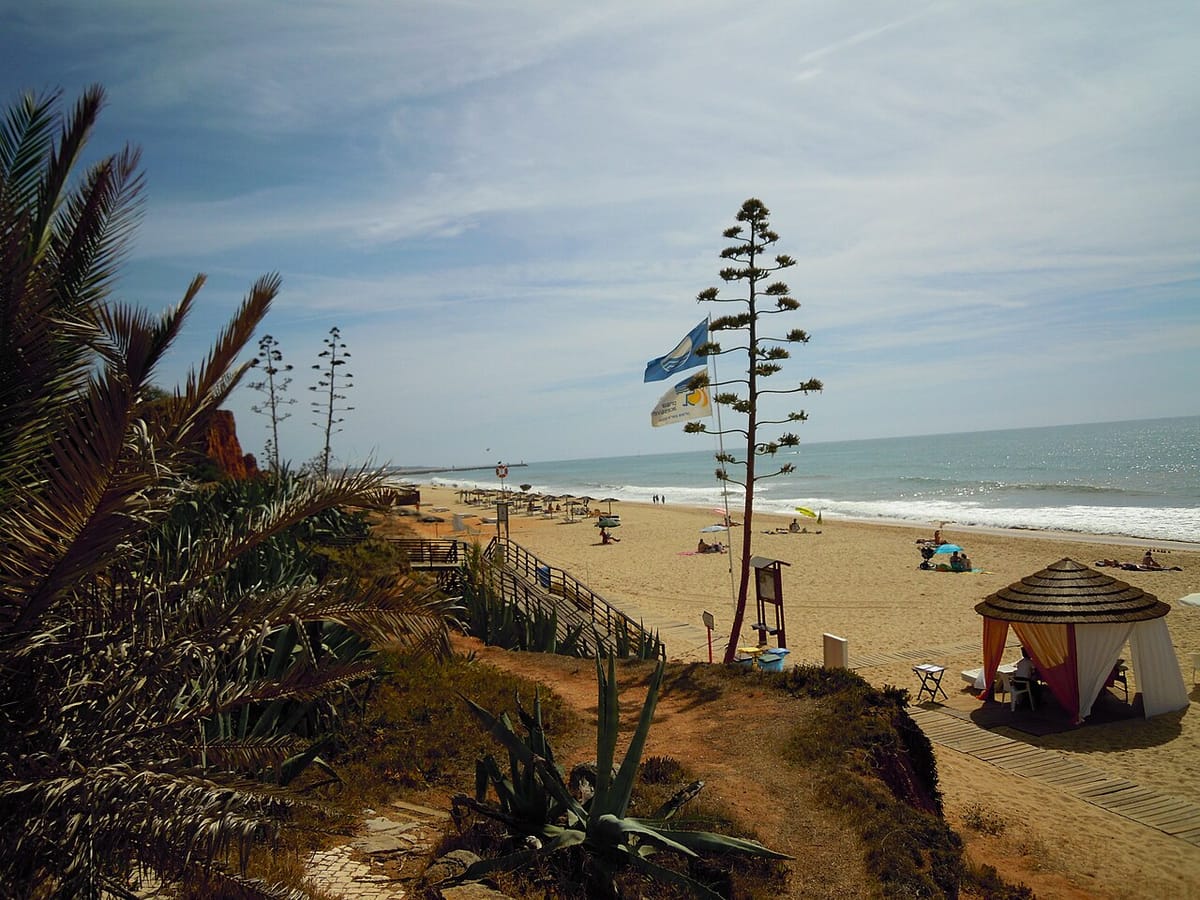
Portugal's beaches look pristine from a sun lounger, but a closer count of what washes up and gets left behind tells a harsher story. According to the latest results from the Programa de Monitorização de Lixo Marinho em Praias de Portugal Continental (Marine Litter Monitoring Programme for Mainland Portugal's Beaches), run by the Agência Portuguesa do Ambiente (Portuguese Environment Agency, or APA), plastic still dominates almost everything collected on the coast — and the single most common item is a familiar one: the cigarette butt.
The programme, carried out with the Fundação Oceano Azul (Blue Ocean Foundation), tracked litter across 15 beaches in five mainland regions over 2024 and 2025. The monitored stretches span the country, from Viana do Castelo and Póvoa de Varzim in the north, through Ílhavo, Ovar and Vila Nova de Gaia, down to Alcobaça, Pombal and Torres Vedras on the central coast, and Faro and Lagos in the Algarve, with support from environmental teams in Matosinhos and the Blue Flag (Bandeira Azul) association.
Almost nine in ten items are plastic
The headline figure is stark and stubborn. Plastic accounted for 89.5% of all items identified in 2024 and 88% in 2025 — a marginal dip that is well within the noise of year-to-year variation rather than evidence of a turning tide. A large slice of that is not recognisable packaging but degraded debris: unidentifiable plastic fragments made up 55% of finds in 2024 and 47.8% in 2025, the shards of larger objects that have broken down in the sun and surf and are the hardest of all to clean up.
As APA put it, plastic fragments "constitute a very significant portion of found waste" — the kind of pollution that, once it reaches this state, is effectively permanent on any human timescale.
The cigarette butt problem is getting worse
Among identifiable objects, one item stands out for moving in the wrong direction. Cigarette butts and filters rose from 7.2% of items in 2024 to 9.8% in 2025, cementing their place as one of the most common single pieces of litter on the sand. Butts are deceptively harmful: the filters are made of cellulose acetate, a plastic, and they leach nicotine and heavy metals into the water long after they are dropped.
Behind them came a predictable roll-call of throwaway consumption: snack and crisp packaging, bottle caps and capsules, and — despite a commercial ban on the products — plastic-stemmed cotton buds, a reminder that items pulled from shop shelves can linger in the environment for years.
Where it comes from
The survey also tried to attribute the litter to its source, and the results point the finger squarely at how the coast is used. Tourism and recreation were blamed for roughly 50% of the litter in 2024 and 46% in 2025 — the food wrappers, drink containers and cigarette ends of a day at the beach. Sewage and wastewater systems accounted for a further 36% and 38% respectively, carrying items such as wet wipes and cotton buds out through drains and outfalls, while fishing and aquaculture contributed between 10% and 12%.
That breakdown matters because it shapes the fix. Litter that arrives on the tide from distant sources demands international cooperation; litter dropped by beachgoers and flushed through local sewers is, in principle, far more within Portugal's own control — a question of bins, wastewater treatment, and behaviour.
Above Europe's good-health line
The context for all these numbers is the EU's Marine Strategy Framework Directive (Directiva-Quadro Estratégia Marinha), under which member states are meant to drive their coasts toward "good environmental status." For beach litter, the benchmark that European experts have set for that healthy threshold is about 20 items per 100 metres of coastline — a bar that heavily used Portuguese beaches routinely clear in the wrong direction.
For a country whose summer economy leans so heavily on its shoreline — Portugal counted nearly 400 Blue Flag beaches this year — the monitoring is a useful corrective to the postcard image. It also carries a simple, unglamorous message for anyone spending August on the sand: the overwhelming majority of what ends up polluting these beaches is plastic, much of it small, much of it ours, and the cheapest place to stop it is before it leaves your hand.