Nine in Ten Pensions Should Rise 3.3 Percent in January, Half a Point Above Inflation, the Social Security Secretary of State Tells MPs
Pensions up to twice the IAS, about 90 percent of the total, should rise 3.3 percent in 2027 and those up to six times the IAS 2.79 percent, the Government estimates. The IAS also rises 3.3 percent. Final rates come in mid-December. What it costs and what to check.
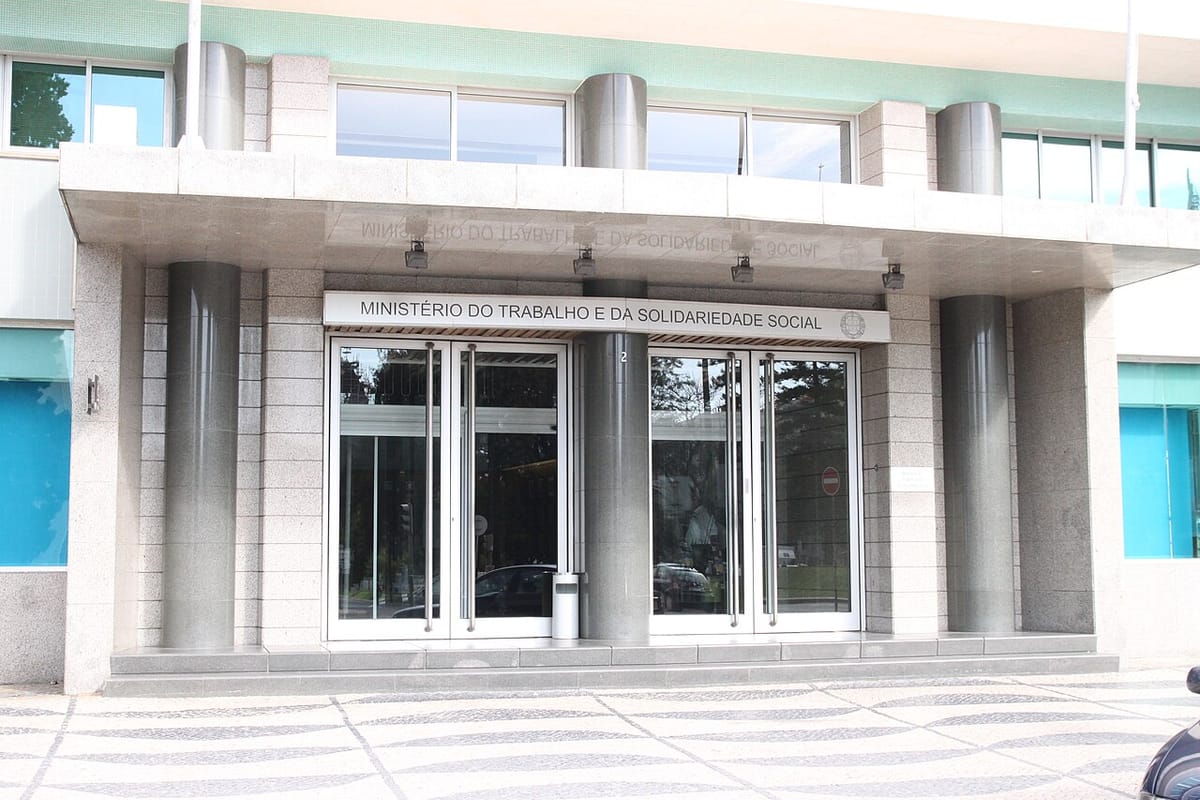
Nine in ten pensions in Portugal should rise by 3.3 percent in January, half a percentage point more than inflation, if the latest price figures hold. The Secretária de Estado da Segurança Social (Secretary of State for Social Security), Susana Filipa Lima, gave the estimate to MPs on Friday 6 November, during the detailed committee hearings on the 2027 budget, according to Lusa via Observador and ECO.
"If INE's figures hold until the end of the year, we will have a 3.3 percent increase in pensions, and that will also be the update for the IAS," she said. The figures are provisional. The final rates depend on inflation data that the Instituto Nacional de Estatística (INE, Statistics Portugal) publishes in mid-December.
What each band of pension would get
The rises depend on the size of the pension, measured against the IAS (Indexante dos Apoios Sociais, the social support index). The IAS is 537.13 euros a month in 2026.
- Up to twice the IAS (1,074.26 euros a month in 2026 values): 3.3 percent. The Government says these are about 90 percent of all pensions. "We will have an increase above inflation, so an increase in purchasing power," the Secretary of State said.
- Between two and six times the IAS (up to 3,222.78 euros a month): 2.79 percent, in line with inflation.
- Above six times the IAS: a rise below inflation. ECO calculates it at 2.54 percent. Only 1 percent of pensions fall in this band, the Secretary of State said.
The same 3.3 percent would apply to the IAS itself, taking it from 537.13 euros to about 554.86 euros a month (our calculation). That matters beyond pensions, because many benefits and thresholds are set as multiples of the IAS.
Why it is 3.3 percent
These are not discretionary rises. They come from the automatic formula in the pensions update law, Lei n.º 53-B/2006, as amended. As ECO explains, the formula uses two figures: average real growth in GDP over the last two years, and the average change in consumer prices excluding housing over the 12 months to 30 November of the year before the rise.
The Secretary of State based her estimate on the INE data published on 30 October. A provisional figure follows at the end of November, and the final one in mid-December, when INE publishes November inflation. The rates are then set in a joint order from the Finance and Labour ministers, and the new amounts are paid from January.
What it costs
The Government puts the extra permanent spending on pensioners and older people at 1,100 million euros in 2027, the Secretary of State said, according to Observador:
- about 700 million euros for general-regime pensions paid by Social Security;
- 300 million euros for civil service pensions paid by the Caixa Geral de Aposentações (CGA, the public-sector pension fund);
- 96 million euros more for the Complemento Solidário para Idosos (CSI, Solidarity Supplement for the Elderly), the top-up for low-income pensioners.
A one-off bonus is possible, not promised
On top of the legal update, the Finance Minister, Joaquim Miranda Sarmento, has said the Government is willing to pay another extraordinary supplement to pensioners on lower incomes if the public accounts allow it, ECO reports. Nothing has been decided.
The choice between one-off bonuses and permanent rises is the main point of disagreement. Socialist governments made permanent extraordinary increases to the lowest pensions. Prime Minister Luís Montenegro has argued that one-off payments protect Social Security's sustainability because they create no new permanent spending. The Economic and Social Council told MPs on Thursday that pensioners need lasting rises rather than one-off bonuses.
Friday was also the deadline for the parties to file amendments to the budget, and they had filed more than 2,500, RTP reported. Any change to pensions beyond the legal formula would have to come through those amendments before the final vote on 24 November.
What to do now
- Nothing, for the regular rise. The update is automatic and appears in the January payment.
- Check the final rates in December. 3.3 percent and 2.79 percent are estimates until INE's mid-December figures and the ministers' order.
- If you still receive your pension by postal order, see how to switch to bank transfer.