Vandals Strip 1,000 Bikes From Lisbon's Gira Network, Leaving a €400,000 Repair Bill
Lisbon City Council says a wave of vandalism has torn more than 1,000 bikes from their docks and wrecked over 1,400 docking points since January, with damage in this cycle alone near €400,000 — leaving the Gira bike-share network with gaps in service.
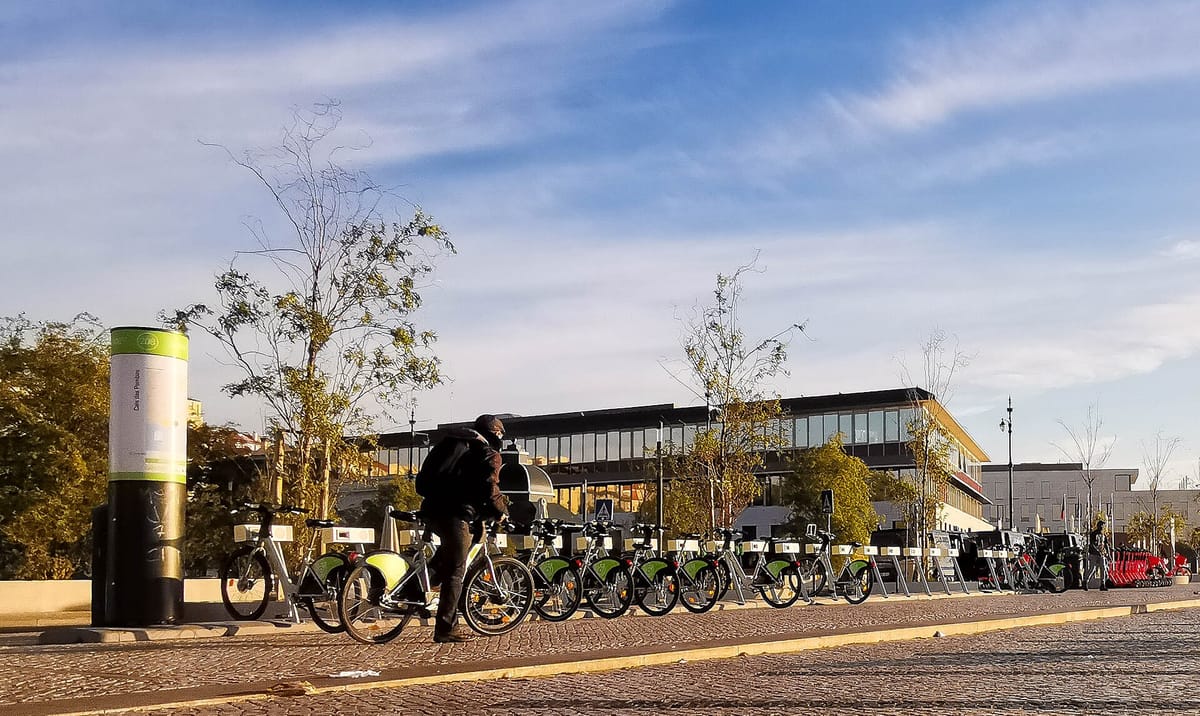
Lisbon's shared-bike scheme is being pulled apart faster than it can be patched up. The city council says a wave of vandalism has torn more than a thousand bikes from their docks and wrecked hundreds of stations since January, with the repair bill for this destruction cycle alone approaching €400,000.
Gira, the electric-assisted bike-share network run by the municipal mobility company EMEL, has become a fixture of daily life for commuters and visitors who dodge Lisbon's traffic and hills on its distinctive green bikes. But Lisbon City Council (Câmara Municipal de Lisboa) told the Lusa news agency this week that the system is being hit by what it called "a more aggressive wave of criminality," with a "devastating effect on service availability."
The scale of the damage
According to the council's figures, given to Lusa, there have been more than 700 acts of vandalism since the start of 2026. These have destroyed over 1,400 docking points and involved more than 1,000 bikes ripped out of their stations — though most were recovered the same day thanks to onboard GPS tracking. Vandals have smashed dock covers, cabling and the electronic sensors that release and lock the bikes, the sort of damage that takes a station out of service even when the bikes themselves survive.
The problem is not new, but it is intensifying. The council puts cumulative damage between 2017 and 2025 at more than €3 million, spread across upward of 12,000 repairs. What alarms officials is the pace of the current cycle: roughly €400,000 in damage since late 2025. Gonçalo Reis, the deputy mayor who holds the mobility portfolio, has promised continued investment alongside stepped-up enforcement and policing of the stations.
The politics have sharpened as the machines have broken. João Ferreira, a councillor for the Communist Party (PCP), has demanded explanations from Mayor Carlos Moedas, describing what he called a "collapse of the system" over the past month — switched-off or damaged docks, broken bikes, and failures in both the Gira app and the call centre that riders use for support. The council has not said how many stations are currently out of service, nor when it expects the network to be running normally again. All the damage and repair figures above are the council's and EMEL's own, as reported by Lusa.
What This Means for Expats
- Expect patchy availability: If you rely on Gira for a commute, have a backup — a metro or bus route, or a walking option — because a dock near you may be offline without warning while repairs catch up.
- Check the app before you set out: With docks and sensors among the main targets, a bike showing as available may not release, and a station may not accept a return. Confirm live status rather than assuming.
- Report faults: The system depends on riders flagging broken docks and bikes; the more accurate the data, the faster EMEL can pull damaged units for repair.
- A wider mobility picture: Gira's troubles land as the capital's public transport is already under strain, so build slack into journeys that stitch several modes together.
Gira was meant to be the easy way around Lisbon; right now it is a reminder of how fragile shared infrastructure can be when it is deliberately targeted. Whether more policing or more spending fixes it, the near-term reality for riders is a network with gaps. For related coverage, see our reporting on the Blue Line's reduced August weekend hours, the summer surge in complaints over uncollected rubbish in Lisbon, and the wider strain on Portugal's urban transport networks.