Tutti Frutti Case Heads to Trial for 56 of 59 Accused, Including Former PSD MPs and Two Lisbon Parish Council Heads
A Lisbon court sent 56 of the 59 accused in the Tutti Frutti parish contracts case to trial on the prosecution's charges and closed it against three. The criminal procedure code largely bars an appeal. All remain presumed innocent.
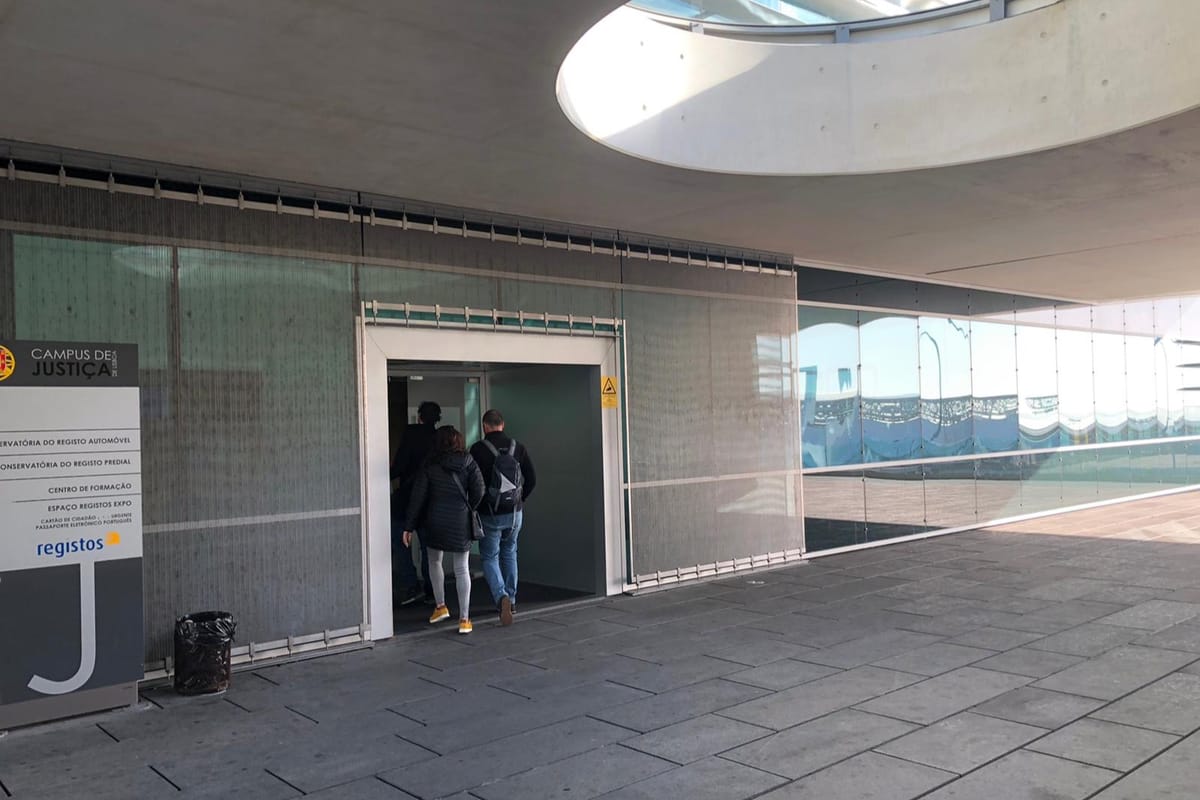
A Lisbon criminal court on Monday sent 56 of the 59 people accused in the Tutti Frutti case to trial, ending the pre-trial stage of a corruption investigation into contracts handed out by Lisbon parish councils from 2012 onward. Three were not sent to trial. A decision to send someone to trial is not a finding of guilt: every accused person remains presumed innocent, and the evidence will only be tested at the trial itself.
The Tribunal Central de Instrução Criminal (Central Criminal Investigation Court) read its ruling, the decisão instrutória, on the afternoon of 19 October. This morning we set out the background to the case; this piece covers the outcome. No communiqué from the court or the Ministério Público (Public Prosecution Service) was available by this evening, so what follows rests on reporting by Lusa, Observador, Público, RTP, ECO and Jornal de Negócios.
Who goes to trial
The accused are mostly local politicians and businesspeople from the PSD and the PS. Prosecutors allege that parish councils gave direct awards and service contracts to party members and friendly businesses, mainly in return for local political support. The charges include active and passive corruption, prevaricação (abuse of public office in decision-making), influence peddling and money laundering.
Among those sent to trial, according to several outlets, are:
- Sérgio Azevedo, a former PSD member of parliament, described by Negócios and Público as the main accused. Observador and RTP report that he faces 51 charges.
- Carlos Eduardo Reis, also a former PSD member of parliament.
- Luís Newton and Vasco Morgado, former presidents of the Estrela and Santo António parish councils in Lisbon.
- José Guilherme Aguiar, a former deputy mayor of Vila Nova de Gaia.
Público reports that all 56 were sent to trial on the same terms as the prosecution's indictment of February 2025, meaning no charges against them were dropped at this stage. Lusa, quoted by Notícias ao Minuto, reported that Carlos Eduardo Reis was elected this year to lead the PSD's Braga district branch, a party post.
The three not sent to trial
The case was closed against Ângelo Pereira, a former PSD Lisbon city councillor; Inês Drummond, a former PS Lisbon city councillor; and Ivone Gonçalves, a PSD member from Loures. According to Lusa, the judge said there was no indication that a 2015 trip to China had given Ângelo Pereira "a real advantage"; Público adds that he never signed a contract with the company that invited him. The judge accepted it was possible that Inês Drummond "acted in good faith" when contracts were awarded. On the invoices issued by Ivone Gonçalves, the judge said there could be no certainty and applied in dubio pro reo (doubt favours the accused). One further accused, a former parish council president, died in April.
Can the decision be appealed?
Only in part. Article 310 of the Código de Processo Penal (Code of Criminal Procedure) says a decision sending a defendant to trial on the facts in the prosecution's indictment cannot be appealed, even where it rules on nullities and other preliminary questions, and the file goes straight to the trial court. The trial court can still exclude prohibited evidence. The three decisions not to send defendants to trial are a different matter: prosecutors can challenge them in a higher court.
No trial date has been reported. The trial court must first deal with any preliminary questions and take the defendants' written defences before setting a date. Prosecutors have asked for the case to be heard by a panel of three judges. Large corruption trials in Portugal can run for years, as the Manuel Pinho case, decided by the Supreme Court last week, shows.