Lisbon Judge Rules Today Whether 59 Accused in the Tutti Frutti Local Government Corruption Case Go to Trial
At 14:00 a criminal judge reads the decision closing the pre-trial stage in the case over alleged contracts-for-support deals in Lisbon parish councils. Prosecutors charged 60 in February 2025; one has since died. Everyone accused is presumed innocent.
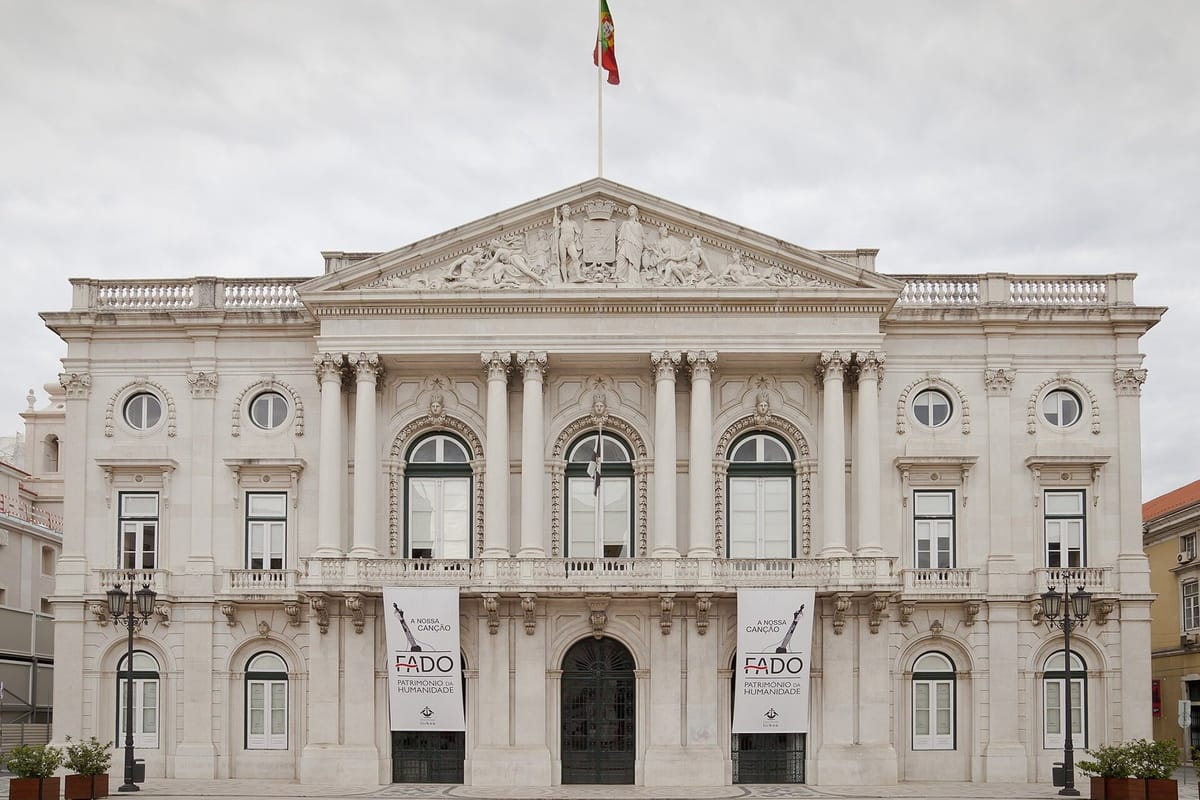
At 14:00 today, Monday 19 October, a Lisbon judge announces whether the 59 people accused in the Tutti Frutti case will stand trial, and on which charges. The case concerns alleged corruption in Lisbon's local government. The Tribunal Central de Instrução Criminal (the central court for pre-trial criminal inquiry) will read its ruling, known as the decisão instrutória, at the Campus de Justiça in Lisbon, a court source told Lusa, as reported by Notícias ao Minuto.
Among those accused, Lusa reports, are former members of parliament, Lisbon parish council presidents and city councillors from both the PSD and the PS. Prosecutors suspect them of handing out service contracts, from 2012 onward, mainly in return for local political support. No one has been convicted of anything, and every defendant is presumed innocent.
What prosecutors alleged
The Ministério Público brought charges on 4 February 2025 against 60 defendants, both individuals and companies. The charges include active and passive corruption (some in aggravated form), money laundering, prevaricação (abuse of public office in making decisions), influence peddling, aggravated document forgery and aggravated fraud. Prosecutors asked the court to strip defendants of any elected office they still held and to confiscate any gains from the alleged crimes. They closed the case against six other suspects, two of whom were sitting MPs at the time.
One defendant, a former parish council president, died in April this year, which leaves 59 accused, according to Lusa as carried by Observador. Lusa also reported that the charges list more than 400 alleged crimes, and that prosecutors want 29 of the defendants to repay more than 580,000 euros to the state. When the closing hearing opened in June, the prosecutor asked for the defendants she dealt with that day to be sent to trial, Público reported.
What instrução is, and what can happen today
Under articles 286 to 310 of the Code of Criminal Procedure, a defendant has 20 days from being notified of the charges to ask for an instrução. This optional stage lets an investigating judge check whether the prosecution's case is strong enough to justify a trial. It ends with a closing hearing between prosecution and defence, followed by the judge's ruling.
For each defendant, the judge has two options:
- Pronúncia: the judge finds sufficient evidence and sends the defendant to trial, either on the charges as the prosecutors wrote them or on fewer charges.
- Não pronúncia: the judge finds the evidence insufficient, and the case against that person goes no further.
The code also makes one outcome final: when a defendant is sent to trial on the same facts the prosecution set out, there is no appeal, and the file goes straight to the trial court. Other outcomes can be challenged in a higher court. Recent cases show both paths: all nine accused in the Armilar Lusitano case were sent to trial, while an appeal court reversed a lower court's decision to clear the former head of Montepio and ordered a trial.
What comes next
If any defendants are sent to trial, prosecutors asked for the case to be heard by a panel of three judges. The ruling matters well beyond the courtroom: parish councils are the level of government closest to people living in Lisbon, and the same councils are now in a dispute over their 2027 funding. Even a trial is only the start: the Manuel Pinho corruption case was before the Supreme Court this month. We will report today's outcome.